
 Save
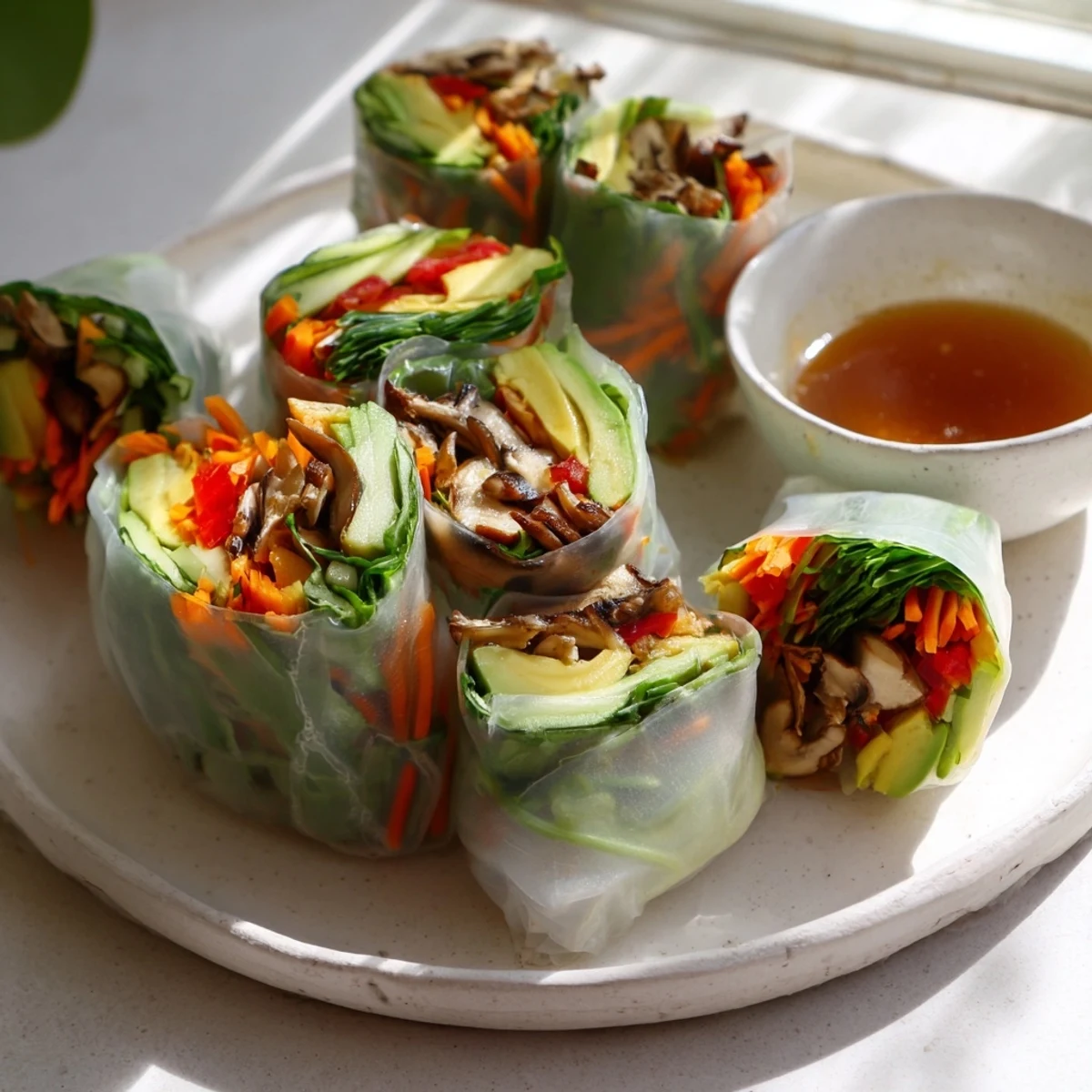
Save Create light, refreshing rice paper rolls featuring creamy avocado slices and earthy sautéed shiitake mushrooms. These vibrant rolls combine crisp julienned vegetables like carrot, cucumber, and red bell pepper with fresh herbs including cilantro and mint. The preparation involves briefly softening rice paper wrappers, arranging vegetables in the center, and folding into tight rolls. A tangy dipping sauce with soy sauce, rice vinegar, sesame oil, and ginger complements the fresh flavors perfectly.
The first time I made spring rolls at home, I was visiting my friend Sarah who lived in a tiny apartment with just enough counter space for one cutting board. We stood shoulder to shoulder, laughing when rice paper stuck to our arms and experimenting with whatever vegetables we had from the farmers market. Those clumsy, joyful rolls turned out better than any restaurant version I'd ever tasted. Something about making them yourself makes the flavors brighter.
Last summer I made these for a garden dinner party when the humidity was climbing and nobody wanted anything heavy. My friend Maria, who swore she hated mushrooms, took one bite and immediately asked for the recipe. Now she makes them every Sunday for meal prep, and I love getting her texts with photos of her increasingly perfect rolling technique.
Ingredients
- 1 ripe avocado, sliced: Look for one that gives slightly to gentle pressure but isn't mushy. The creaminess here balances all the crisp vegetables perfectly.
- 120 g fresh shiitake mushrooms, stems removed, sliced: Cooking these first concentrates their earthy flavor and gives them a meaty texture that makes these rolls feel substantial.
- 1 medium carrot, julienned: Use a julienne peeler or cut thin matchsticks. They add this gorgeous sweetness and the most satisfying crunch.
- 1 small cucumber, julienned: English cucumbers work beautifully here since they have fewer seeds and thinner skin that doesn't need peeling.
- 1 small red bell pepper, thinly sliced: The color contrast alone makes these rolls stunning, but they also bring this lovely mild sweetness.
- 1 cup fresh baby spinach or lettuce leaves: This creates a protective layer between the filling and rice paper while adding nutritional heft.
- 2 tbsp scallions, finely sliced: Both the green and white parts work here, adding this subtle onion bite that cuts through the rich avocado.
- 8 sheets rice paper (22 cm diameter): Don't worry if you tear a few at first. Even the ugly ones taste incredible, and you will get the hang of it.
- 2 tbsp fresh cilantro leaves: If you are one of those people who think cilantro tastes like soap, basil makes an equally lovely substitute.
- 2 tbsp fresh mint leaves: This is the secret ingredient that makes these taste restaurant quality. The coolness pairs unexpectedly well with the mushrooms.
- 2 tbsp soy sauce or tamari: Tamari has a slightly richer flavor, but either works beautifully for that umami base.
- 1 tbsp rice vinegar: Use unseasoned vinegar so you can control all the flavors yourself.
- 1 tsp sesame oil: Toasted sesame oil adds this incredible depth that regular oil just cannot replicate.
- 1 tsp maple syrup or honey: Just a touch balances the salty elements and helps everything come together.
- 1 tsp grated ginger: Fresh ginger has this bright heat that dried ginger can never quite achieve.
- 1 small garlic clove, minced: One small clove is plenty. You want just a whisper of garlic backing, not an overpowering punch.
Instructions
- Sauté the shiitake mushrooms:
- Heat a non-stick skillet over medium heat and add the sliced shiitake mushrooms. Cook for 5-6 minutes, stirring occasionally until they are tender and starting to turn golden at the edges. Set them aside to cool completely before using.
- Prep your vegetables and herbs:
- Julienne the carrot and cucumber into thin matchsticks, slice the bell pepper into thin strips, slice the avocado, and wash and dry the spinach or lettuce. Arrange everything on your work surface within easy reach so you can work efficiently once you start rolling.
- Soften the rice paper:
- Fill a shallow dish with warm water and dip one rice paper sheet for 10-15 seconds until it just starts to soften and become pliable. Carefully lay it flat on a clean kitchen towel or cutting board, working quickly before it becomes too sticky to handle.
- Layer your filling:
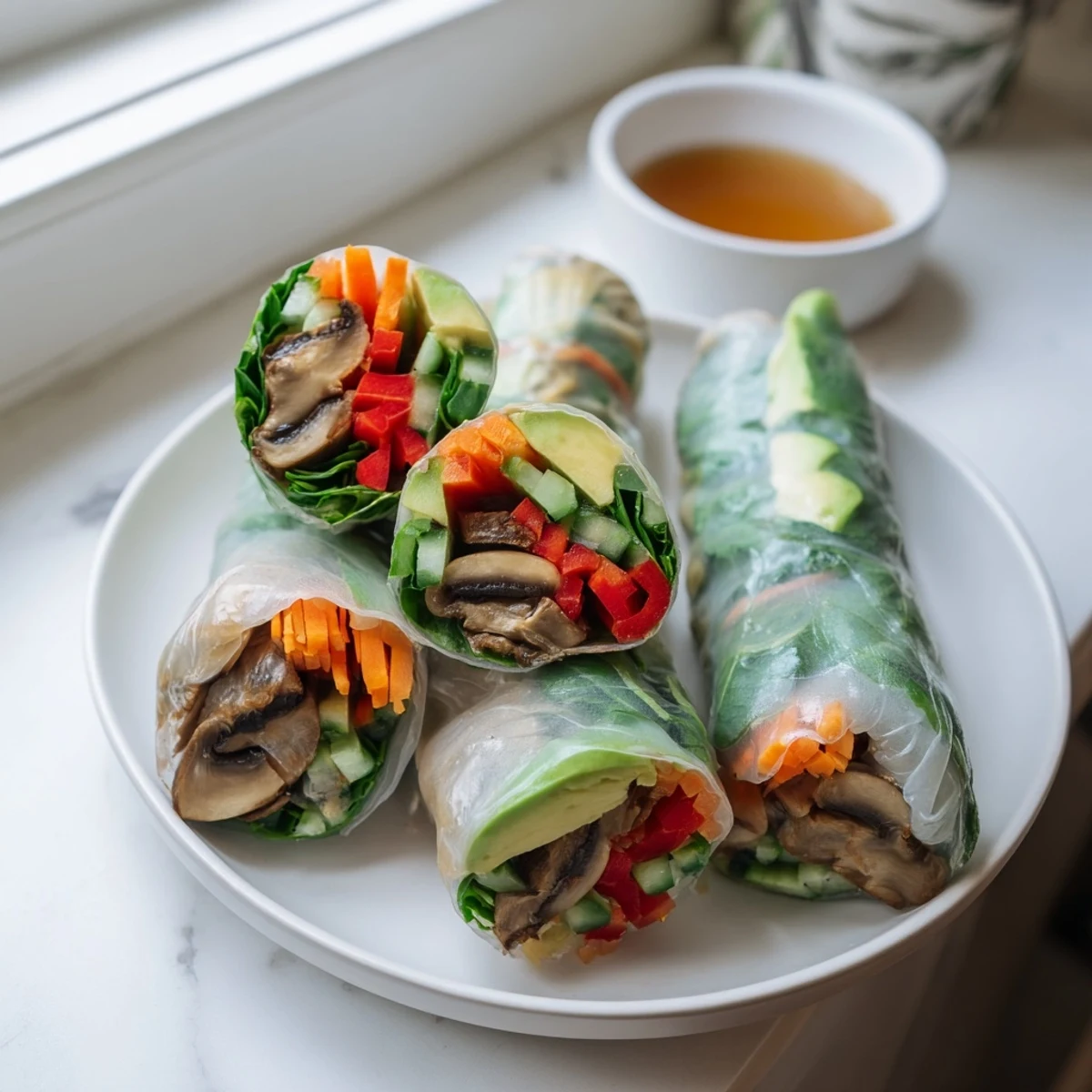
- Place a small handful of spinach or lettuce in the center third of the rice paper, then add a few slices each of avocado, cooked mushrooms, carrot, cucumber, and bell pepper. Sprinkle with some scallions, cilantro, and mint, being careful not to overfill or the paper will tear.
- Roll it tight:
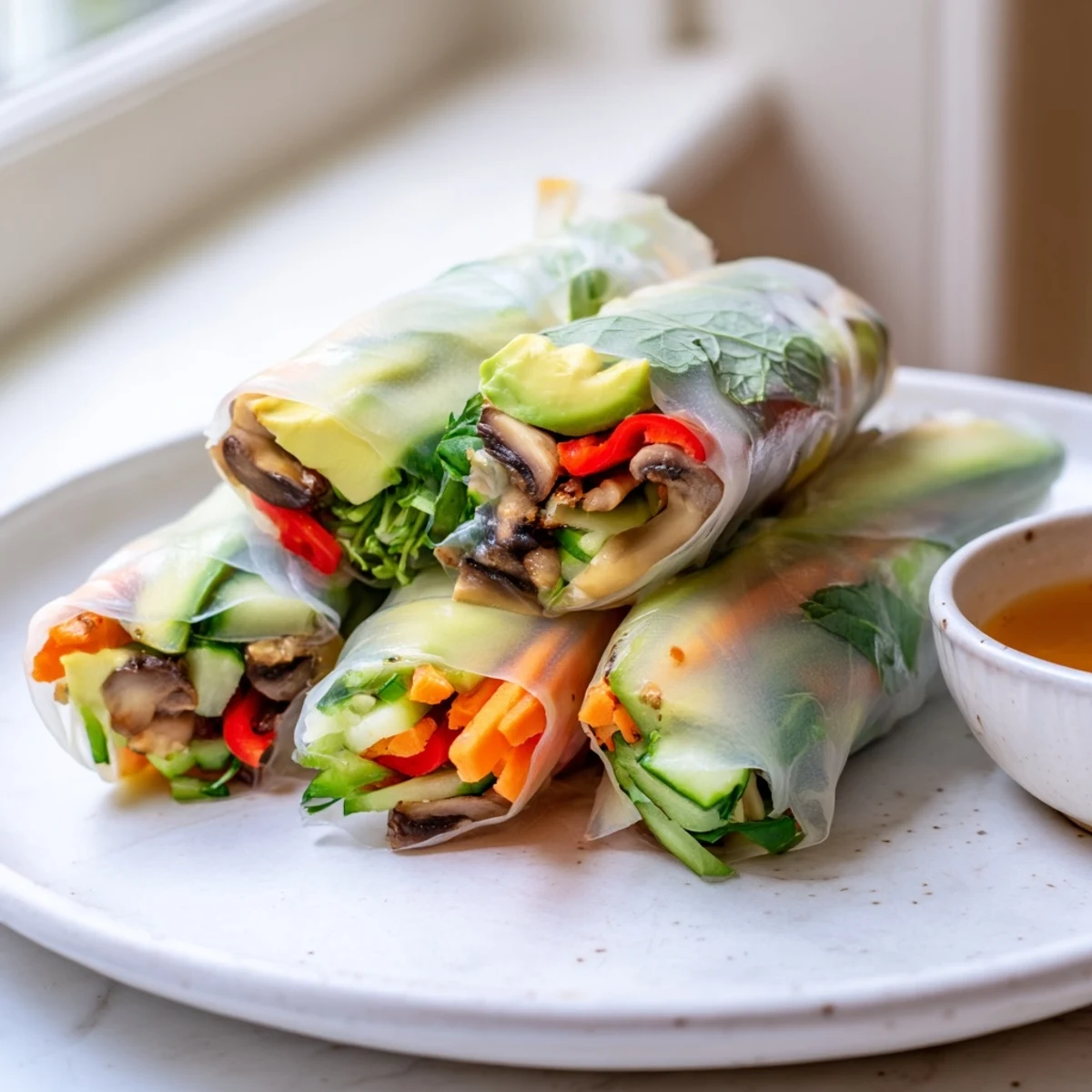
- Fold the bottom edge of the rice paper over the filling, tuck in both sides, then roll forward tightly like a burrito. The rice paper will stick to itself and seal naturally. Repeat with remaining ingredients to make 8 rolls total.
- Whisk the dipping sauce:
- Combine the soy sauce, rice vinegar, sesame oil, maple syrup, grated ginger, and minced garlic in a small bowl. Whisk until smooth, adding a tablespoon of water if needed to reach your desired consistency.
- Serve them up:
- Serve the spring rolls immediately, either whole or sliced in half on the diagonal for easier eating. Arrange them on a platter with the dipping sauce on the side, and watch them disappear.
 Save
Save My sister now makes these for her daughters birthday parties every year, and all the kids actually clamor for more vegetables. There is something about the interactive nature of spring rolls, the dipping sauce, the beautiful colors visible through the translucent wrapper that makes even skeptical eaters curious and willing to try new things. Food that brings people together like that feels like magic.
Choosing Your Rice Paper
Not all rice papers are created equal, and finding the right brand can make or break your spring roll experience. Thinner papers from Vietnamese brands tend to be more delicate but yield beautifully translucent rolls, while thicker ones are more forgiving for beginners. I keep several packages on hand since working temperature and humidity can dramatically affect how different papers behave. Do not be discouraged if your first attempts look messy. They will still taste absolutely wonderful.
Make Ahead Strategy
You can prep all the vegetables and sauce up to a day in advance, storing everything separately in airtight containers in the refrigerator. The mushrooms should be cooked and cooled before storing. When you are ready to serve, just warm your water for softening the rice paper and start rolling. These are actually perfect for entertaining because guests can customize their own rolls if you set up all the ingredients family style.
Sauce Variations to Explore
The classic dipping sauce is wonderful on its own, but I love experimenting with different flavor profiles depending on my mood or what I am serving alongside these rolls. Sometimes I add peanut butter for a creamy Asian style sauce. Other times I blend in fresh chili peppers or sriracha for heat. A splash of lime juice and extra fresh herbs transforms it into something completely different. The rolls are versatile enough to handle all these variations beautifully.
- Add a teaspoon of chili garlic sauce for those who like it spicy
- Try a peanut sauce variation by whisking in 2 tablespoons of peanut butter
- A squeeze of fresh lime juice right before serving brightens everything wonderfully
 Save
Save These spring rolls have become my go to for light dinners, unexpected guests, and those times when I want something beautiful and nourishing without spending hours in the kitchen. Every time I make them, I think of that afternoon in Sarah's tiny apartment and how the simplest foods often create the fondest memories.
Recipe FAQs
- → How do I prevent rice paper from tearing?
-
Soak rice paper sheets in warm water for only 10-15 seconds until just pliable. Over-soaking makes them fragile and prone to tearing. Handle gently while rolling.
- → Can I make these ahead of time?
-
Best enjoyed fresh within 2-3 hours. If storing, wrap individually in plastic wrap and refrigerate. Rice paper may become slightly chewy but remains delicious.
- → What other vegetables work well?
-
Try julienned daikon radish, purple cabbage, bean sprouts, or fresh basil. Mango or paprika adds sweetness while sliced jalapeño provides heat.
- → Are these gluten-free?
-
Yes, rice paper is naturally gluten-free. Use tamari or coconut aminos instead of soy sauce to ensure the entire dish remains gluten-free.
- → Can I add protein to these rolls?
-
Absolutely. Grilled shrimp, cooked chicken strips, baked tofu, or cooked vermicelli noodles make excellent protein additions while keeping rolls light.