
 Save
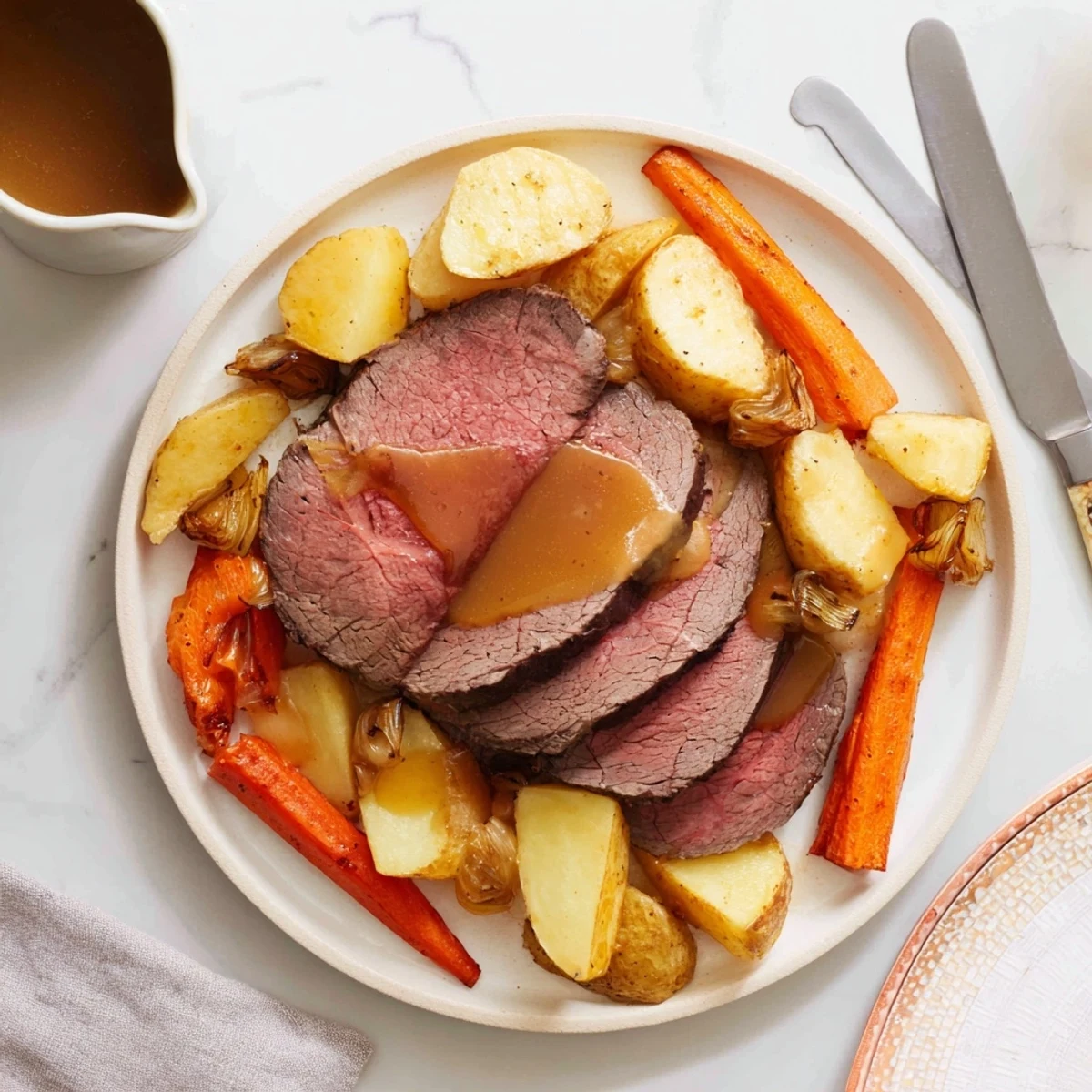
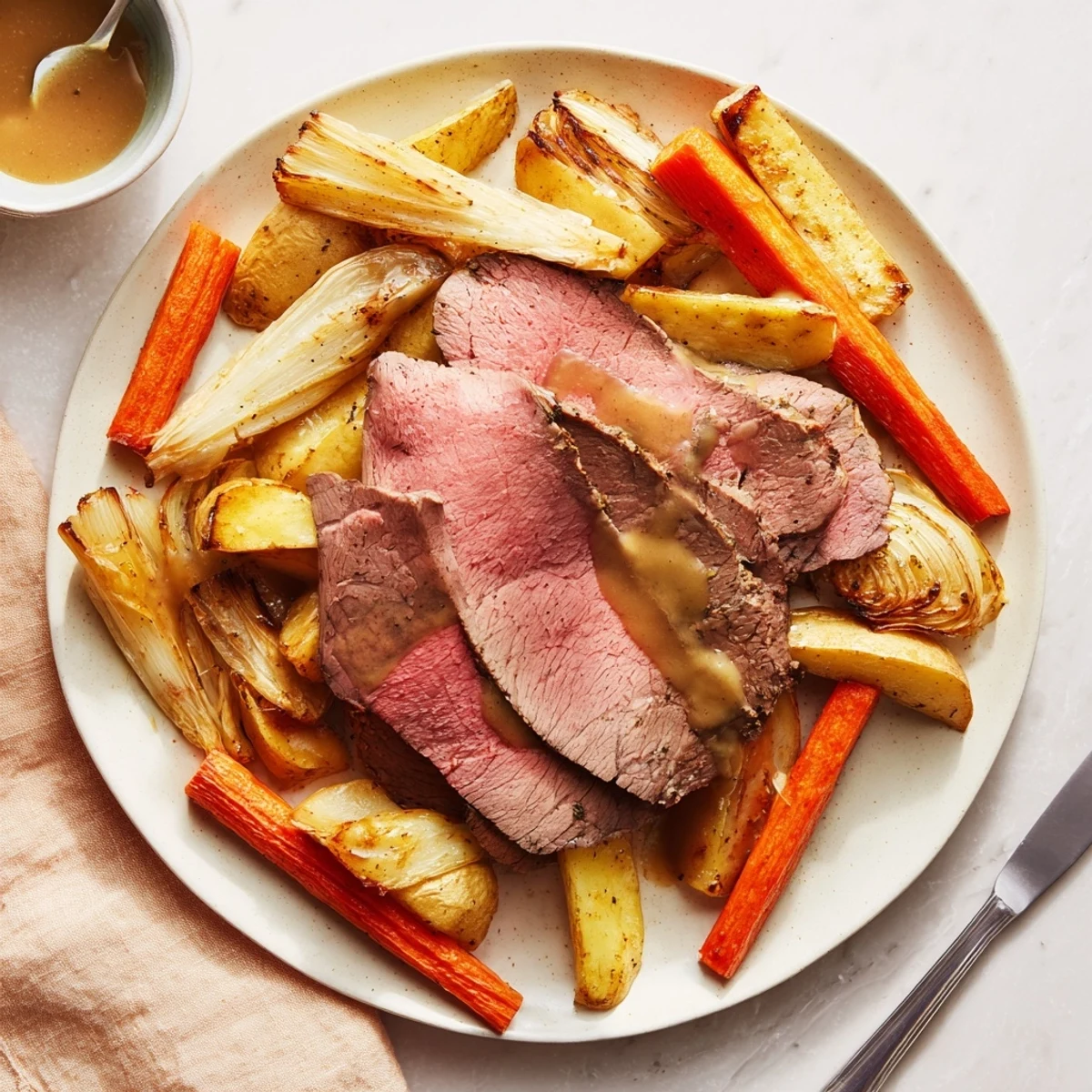
Save This traditional British-style roast brings together succulent beef, golden roasted vegetables, and silky gravy for an unforgettable Sunday supper. The beef develops a beautiful herb crust while roasting alongside root vegetables that caramelize beautifully in the oven.
After resting to ensure maximum juiciness, slice the beef and serve with the tender vegetables and rich gravy made from the pan drippings. Perfect for family gatherings or special occasions, this meal delivers comfort and satisfaction in every bite.
The first time I attempted a proper Sunday roast, I had six people coming over and no clue what I was doing. I'd bought this massive cut of beef that looked impressive at the butcher shop but suddenly seemed terrifyingly large on my kitchen counter. My grandmother called just as I was staring at it, and she simply said, 'Low and slow, darling. And please don't forget the resting time.' That roast ended up being slightly overcooked but nobody seemed to care because there was something so comforting about having a giant platter of meat and potatoes in the middle of the table.
Last winter, my roommate walked in while I was pulling this roast from the oven and literally stopped in her tracks. She'd had a terrible week at work and the scent of thyme and roasting beef made her drop her bag and just stand there inhaling deeply. We ended up eating at the kitchen counter instead of the table, still wearing coats, slicing straight from the board. Sometimes the best meals aren't the ones with placemats and proper serving dishes.
Ingredients
- 1.5 kg boneless beef roast: Sirloin gives you great flavor, ribeye stays incredibly tender, or go for top rump if you want something leaner that still tastes proper
- 2 tbsp olive oil: This creates that beautiful caramelized exterior and helps all your seasonings actually stick to the meat
- 1 tbsp coarse sea salt: Don't use table salt here, the coarse crystals create a lovely crust and you can actually taste the difference
- 1 tsp freshly ground black pepper: Freshly cracked is non negotiable, the pre ground stuff has no soul left in it
- 2 tsp dried thyme or 4 sprigs fresh thyme: Thyme and beef are best friends, and fresh sprigs look gorgeous scattered over the finished platter
- 2 cloves garlic, minced: Rub this right into the meat with the oil so the flavor penetrates beyond just the surface
- 1 kg potatoes: Maris Piper or King Edward potatoes roast up beautifully fluffy inside and properly crispy outside
- 3 large carrots and 2 parsnips: Cut them into substantial batons so they don't dry out or turn to mush during roasting
- 1 large onion: Wedges hold their shape better than slices and get all sweet and jammy in the oven
- 400 ml beef stock: Use the good stuff, preferably homemade or a quality organic brand, since this becomes your gravy
- 2 tbsp flour or gluten free flour: This is what transforms those pan juices into proper gravy instead of just salty beef water
- 1 tbsp butter: Adds richness to the gravy and helps it gloss up beautifully
Instructions
- Get your oven nice and hot:
- Preheat to 220°C, and while it heats up, let your beef sit out on the counter for about 30 minutes to take the chill off
- Season the beef generously:
- Rub that olive oil all over the roast, then press in the salt, pepper, thyme, and minced garlic like you mean it
- Position everything in the pan:
- Set the beef on a rack in your roasting pan, then toss all your vegetables with oil and seasonings before arranging them around the base
- Start with high heat:
- Roast everything at that high temperature for 20 minutes to create a gorgeous crust on the beef and get the vegetables started
- Drop the temperature:
- Lower your oven to 180°C and continue roasting for about 1 hour 10 minutes, though I always check with a meat thermometer rather than trusting the clock completely
- Let it rest properly:
- Remove the beef and vegetables, tent the meat loosely with foil, and walk away for 15 minutes, even if people are already hovering with plates
- Make the gravy while you wait:
- Set the roasting pan over medium heat, melt the butter, whisk in the flour for one minute, then gradually add stock while scraping up all those gorgeous browned bits from the bottom
- Serve it up:
- Slice the rested beef against the grain, pile the vegetables around it, and pour that gravy into a proper serving jug
 Save
Save My dad claims he judges a Sunday roast by the quality of the gravy, and after years of watching him make enthusiastic sounds over properly good ones, I've learned he's absolutely right. There's something almost meditative about standing at the stove whisking those pan juices into silky smoothness while the beef rests nearby.
Getting The Doneness Right
I used to cut into my roasts to check if they were done, which is basically the kitchen equivalent of poking a sleeping bear to see if it's awake. A proper meat thermometer will save you so much stress, and you'll stop serving either raw or shoe leather beef to your family.
Vegetable Timing Secrets
Sometimes I add the carrots and parsnips about 15 minutes after the potatoes go in, since they cook faster and I hate when they turn to mush before the beef is ready. You learn these little tricks after the third or fourth roast dinner disaster.
Making It Your Own
The beauty of this recipe is how forgiving it is, and how easily it adapts to whatever you have in the fridge or whatever your family actually likes eating.
- Rosemary works beautifully alongside or instead of thyme if that's what you've got
- Swapping parsnips for sweet potatoes changes the whole character but still works perfectly
- A splash of red wine in the gravy makes it feel fancier without much extra effort
 Save
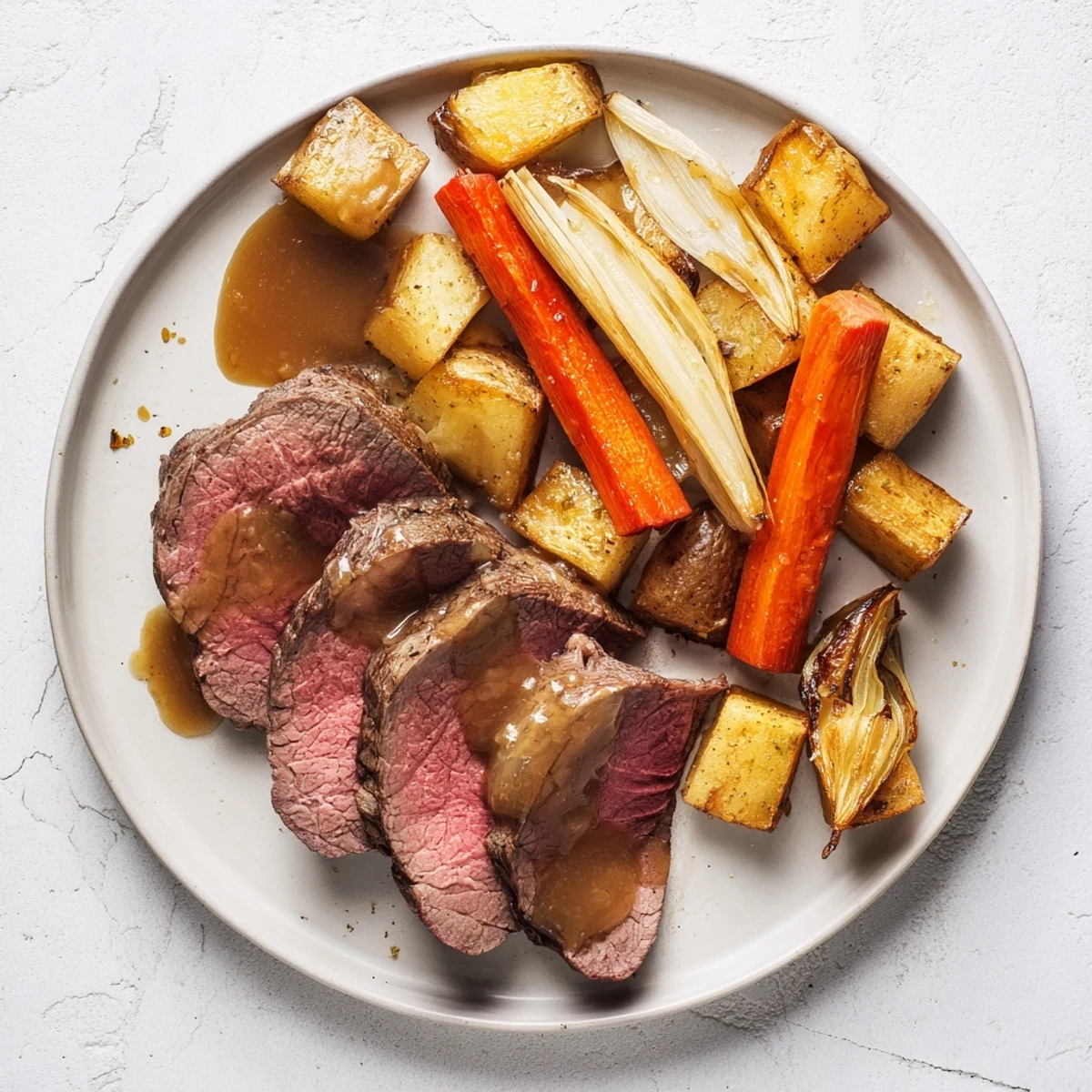
Save There's something deeply satisfying about a recipe that transforms simple ingredients into something that makes people gather around the table and stay there long after the food is gone.
Recipe FAQs
- → What cut of beef works best?
-
Sirloin, ribeye, or top rump are excellent choices. These cuts offer great flavor and tenderness when roasted. Look for well-marbled meat for the juiciest results.
- → How do I know when the beef is done?
-
Use a meat thermometer for accuracy. Medium rare reaches 60°C (140°F), medium reaches 65°C (150°F). Remember the meat continues cooking slightly while resting.
- → Why is resting the beef important?
-
Resting allows juices to redistribute throughout the meat, ensuring each slice remains moist and tender. Cutting too soon lets valuable juices escape onto the cutting board.
- → Can I prepare vegetables ahead?
-
Yes, peel and cut vegetables several hours ahead. Keep them in cold water to prevent browning. Pat dry thoroughly before tossing with oil and seasoning.
- → How do I get extra crispy potatoes?
-
Parboil potatoes for 5 minutes before roasting, then rough up the edges with a fork. This creates more surface area for crisping. Start roasting at high heat too.
- → What can I serve alongside?
-
Yorkshire puddings, horseradish sauce, or red currant jelly make classic accompaniments. A simple green salad or steamed greens also balance the rich flavors nicely.