
 Save
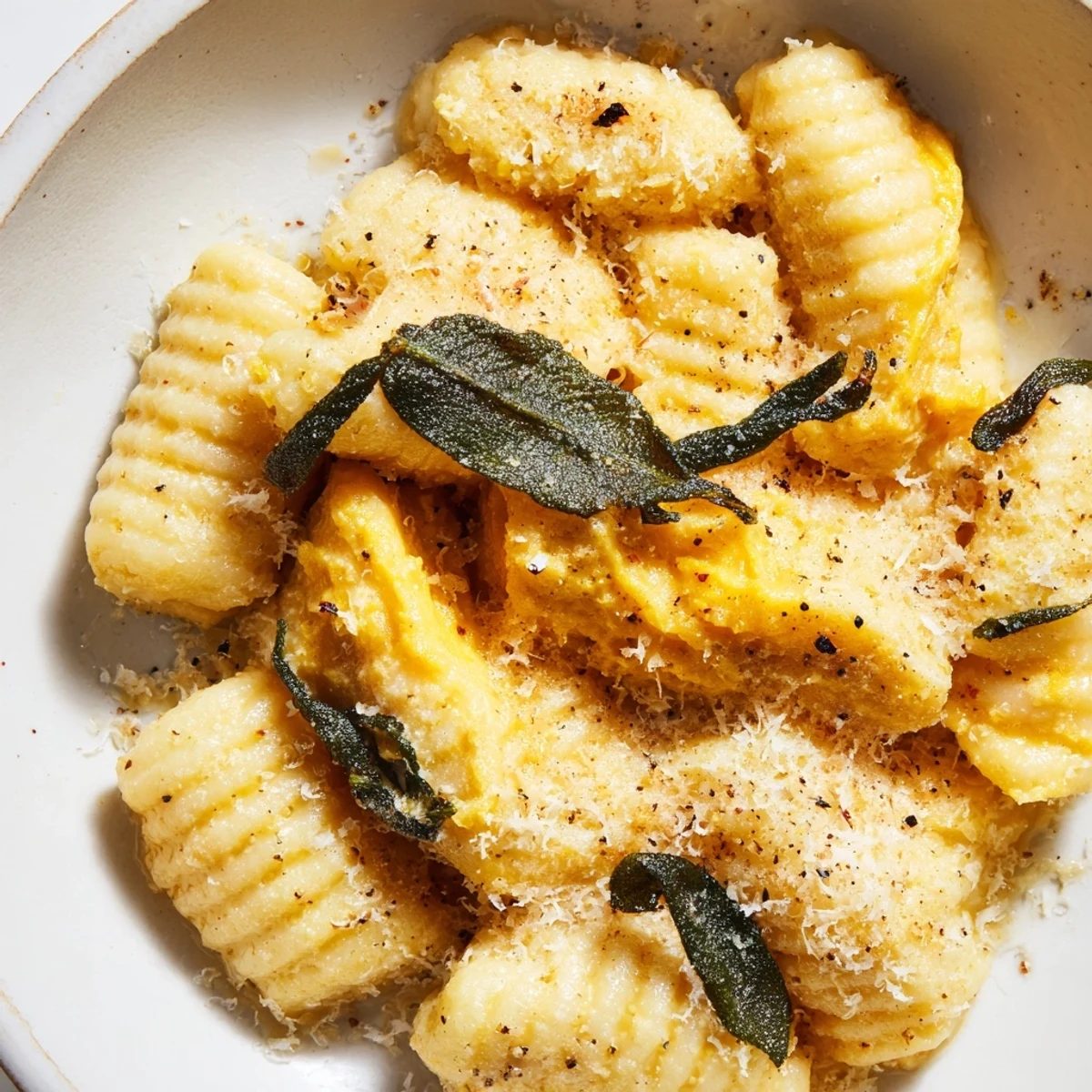
Save This dish features tender gnocchi crafted from roasted butternut squash, blended with Parmesan and egg, then boiled to perfection. Afterward, the gnocchi are lightly sautéed in butter infused with fresh sage, creating a rich and aromatic coating. The result is a comforting, elegant meal that highlights autumn flavors, ideal for vegetarian main courses or any cozy dining occasion. Garnished with extra Parmesan and pepper, it's simple yet flavorful.
The first time I made butternut squash gnocchi, I was trying to impress someone who claimed they'd never had homemade pasta. What I didn't expect was how the kitchen would fill with this warm, honeyed aroma as the squash roasted—suddenly it didn't feel like showing off anymore, just like making something real. Now, whenever autumn gets too quiet, I find myself reaching for a butternut squash and remembering that afternoon.
I once made this for my neighbor who'd just moved in, and she arrived at my door with wine and stayed for three hours talking about nothing in particular. The gnocchi was just an excuse—but it was a good one. Now when I make it, I always think of her laugh and how food has this strange power to make strangers feel like friends.
Ingredients
- Butternut squash: The heart of this dish—roasting brings out natural sweetness and creates a silky base that holds everything together without needing extra starch.
- Egg: Acts as your binder; use room temperature for easier mixing.
- Parmesan cheese: Adds nuttiness and helps dry out the dough slightly, making gnocchi more tender.
- All-purpose flour: Go easy here; too much creates dense, heavy gnocchi instead of pillowy clouds.
- Fine sea salt: Brings out the squash's natural flavor without making it taste salty.
- Ground nutmeg: Just a whisper transforms the whole dish into something unmistakably autumn.
- Unsalted butter: Quality matters here since it's the main sauce; good butter tastes sweet and creamy on its own.
- Fresh sage leaves: Their peppery edge cuts through the richness in the most perfect way.
Instructions
- Roast the squash until it collapses into softness:
- Cut your squash in half, scoop out seeds, and place cut-side down on parchment paper. The oven at 400°F will take 35 to 40 minutes—you'll know it's ready when a fork slides through the flesh like butter. Let it cool just enough to handle.
- Transform roasted squash into smooth gold:
- Scoop the soft flesh into a bowl and mash until there are no lumps; a potato masher works better than a food processor here because it won't make the squash gluey. You need about 1½ cups of purée, and it must cool completely before you add the egg.
- Build your dough with a gentle hand:
- Combine the cooled squash, egg, Parmesan, salt, and nutmeg in a bowl, then add flour slowly while mixing—stop as soon as the dough comes together into something soft and slightly sticky. Overworking it creates tough gnocchi, so resist the urge to knead.
- Roll, cut, and give them ridges:
- Divide dough into four portions and roll each into a rope about as thick as your thumb. Cut into one-inch pieces and gently press each one against the back of a fork for those little grooves that catch sauce.
- Cook until they float and become ethereal:
- Bring a pot of salted water to a gentle boil and add gnocchi in batches—they'll sink, then float after a couple of minutes, signaling they're done. Scoop them out with a slotted spoon and set them aside.
- Make magic in melted butter:
- Heat butter in a skillet over medium heat, add sage leaves, and listen for the gentle sizzle as the butter turns golden and fragrant. This takes just a few minutes, and you'll smell when it's ready.
- Finish with heat and grace:
- Add your cooked gnocchi to the sage butter, toss gently, and let them warm through for about a minute—this is not the time to be aggressive. Serve immediately with extra Parmesan and cracked black pepper.
 Save
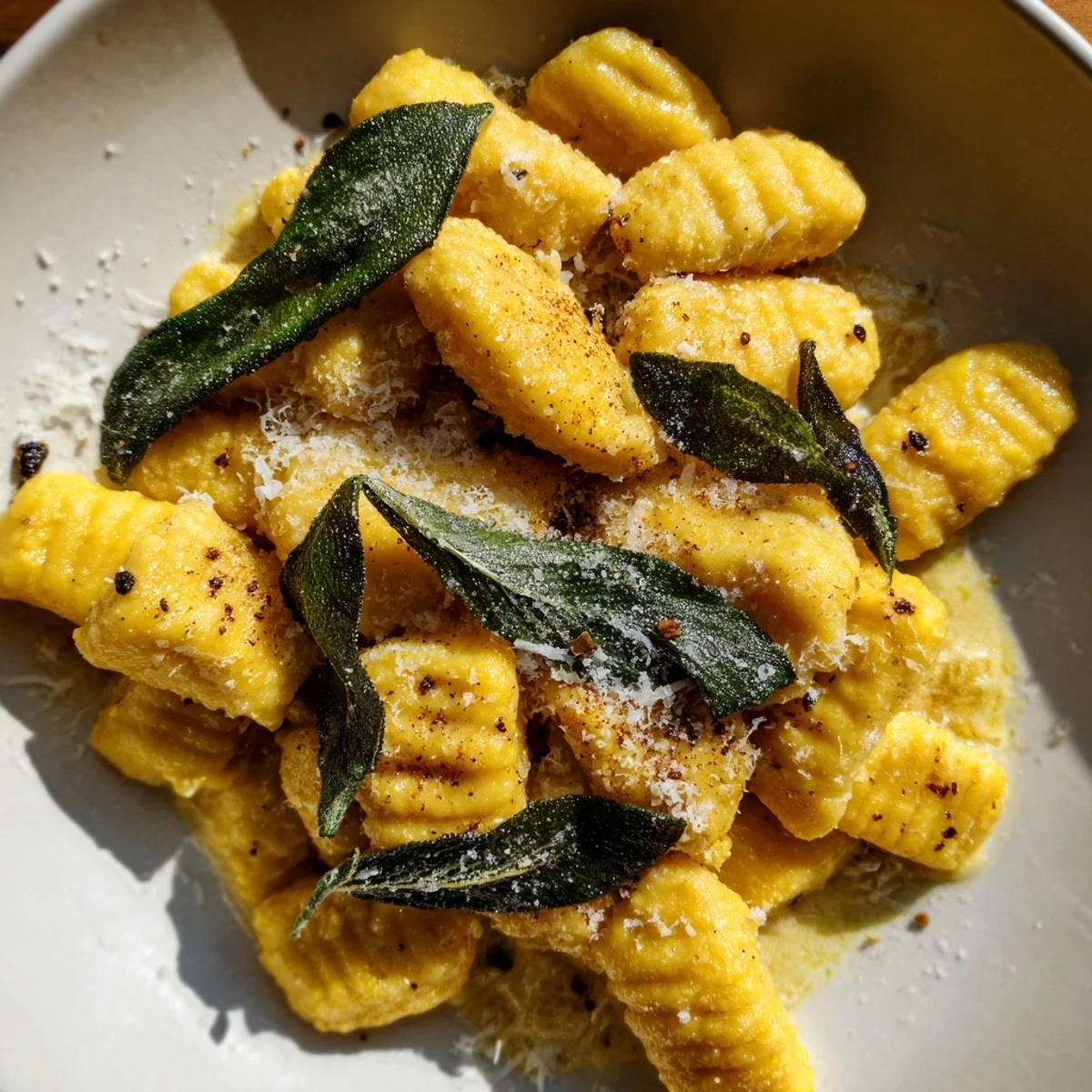
Save There was a moment while plating when steam rose off the gnocchi and caught the kitchen light, and I realized this isn't just elegant—it's honest food. No tricks, just vegetables and flour and butter working together like they were always meant to. That's when this dish stops being a recipe and becomes something you make whenever you need to remind yourself that cooking can be both simple and special.
Variations and Flavor Shifts
Sage is traditional, but fresh thyme or rosemary will take this dish in different directions—thyme keeps everything delicate while rosemary adds earthiness. If you want brightness instead of herbs, try adding a squeeze of fresh lemon juice to the butter at the very end, just before tossing with gnocchi. Brown butter with crispy sage leaves is the classic, but some nights I make a sage oil instead, which feels lighter and lets the squash flavor shine.
Making Gnocchi Less Intimidating
The first batch of gnocchi I made was oddly shaped and dense, but they still tasted good—I learned that gnocchi doesn't have to look perfect to be delicious. The fork ridges are just tradition; skip them if you're short on patience. What actually matters is the ratio of squash to flour and not overworking the dough, both things you can control without a culinary degree.
Serving and Pairing Ideas
Serve this as a main course with a crisp white wine like Pinot Grigio or Vermentino, which cuts through the richness beautifully. A simple green salad with vinaigrette on the side keeps the meal balanced without adding work. For a quieter evening alone, serve it on your nicest plate with extra Parmesan and black pepper—it deserves that kind of attention.
- Save any leftover gnocchi and sauté them in a bit of butter until golden for a completely different texture the next day.
- Double the butter sauce recipe if you like things extra rich, or scale it back if you prefer the squash flavor to take center stage.
- Make the gnocchi dough ahead and refrigerate it overnight; it actually gets easier to work with after resting.
 Save
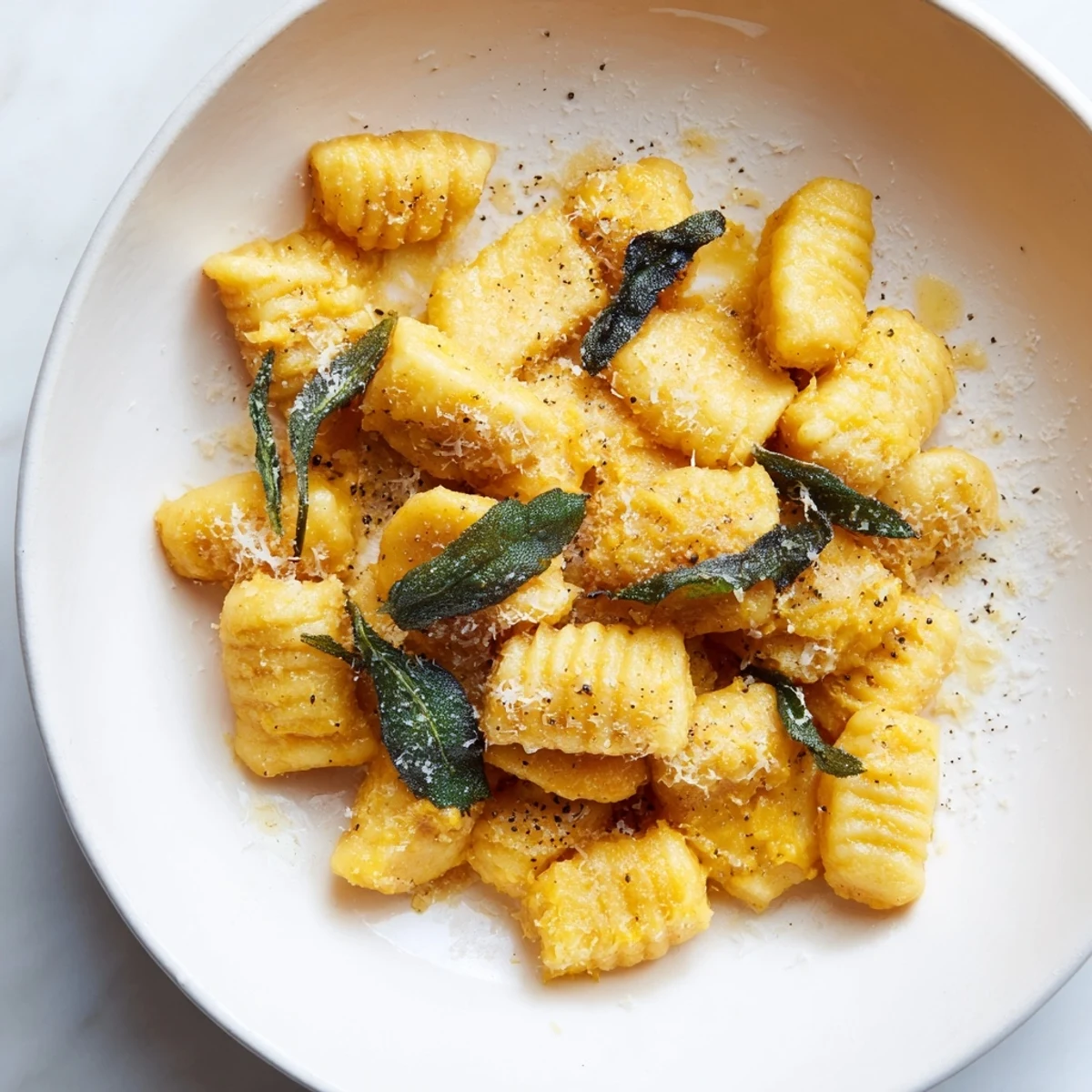
Save This is the kind of dish that makes an ordinary evening feel special without requiring you to pretend you're someone you're not. It's autumn on a plate, and it's yours to make.
Recipe FAQs
- → How do I know when the gnocchi are cooked?
-
The gnocchi are ready when they float to the surface of the boiling water, usually about 2-3 minutes.
- → Can I substitute butternut squash with another ingredient?
-
Yes, sweet potatoes or pumpkin can be used for similar texture and sweetness.
- → What’s the best way to achieve a crispier texture?
-
After boiling, sauté the gnocchi in butter until golden and slightly crisp on the outside.
- → Are there herb alternatives to sage for the butter sauce?
-
Thyme or rosemary can be used to give different aromatic notes while maintaining richness.
- → How can I add brightness to the butter sauce?
-
A splash of fresh lemon juice added to the sauce just before serving enhances brightness and balances richness.