
 Save
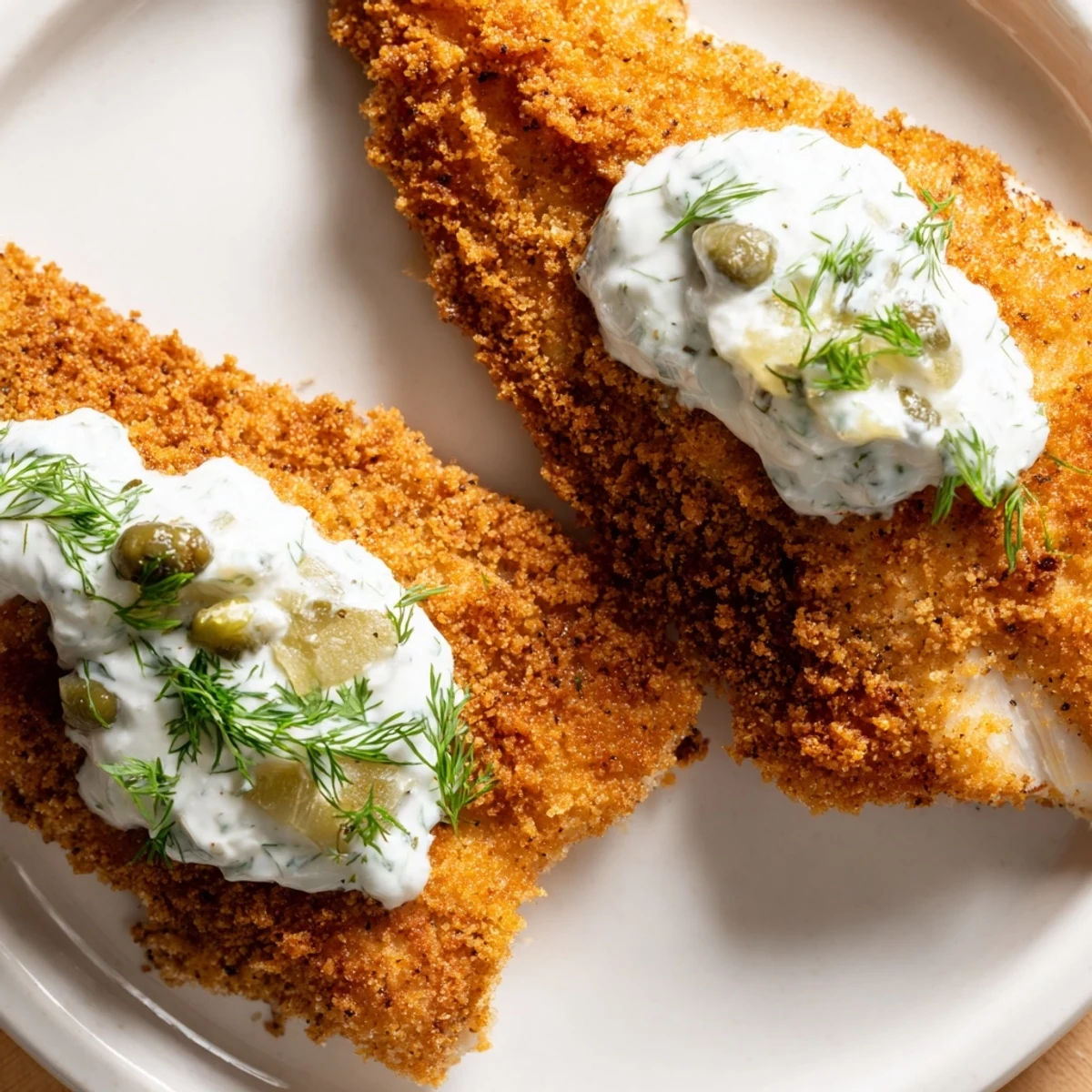
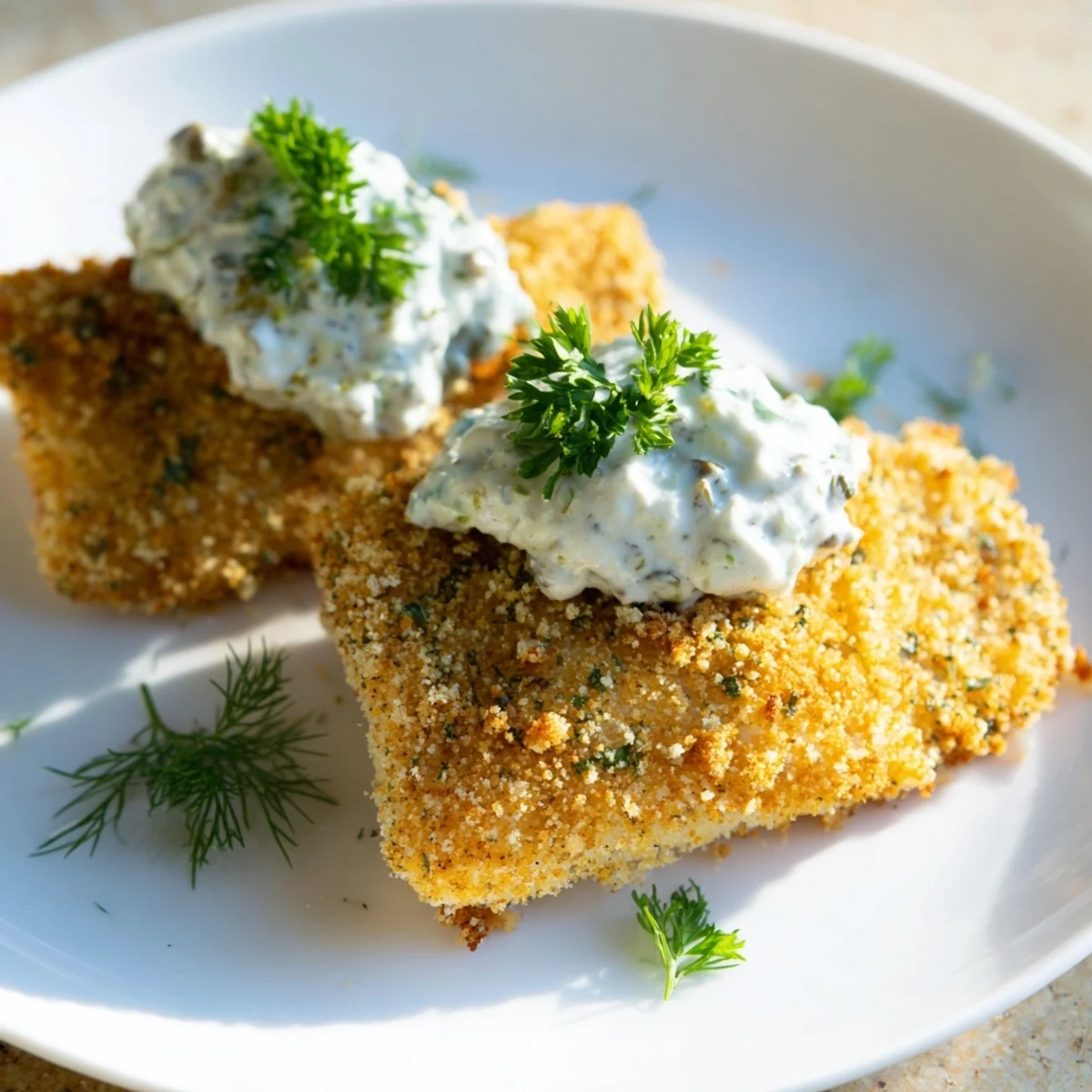
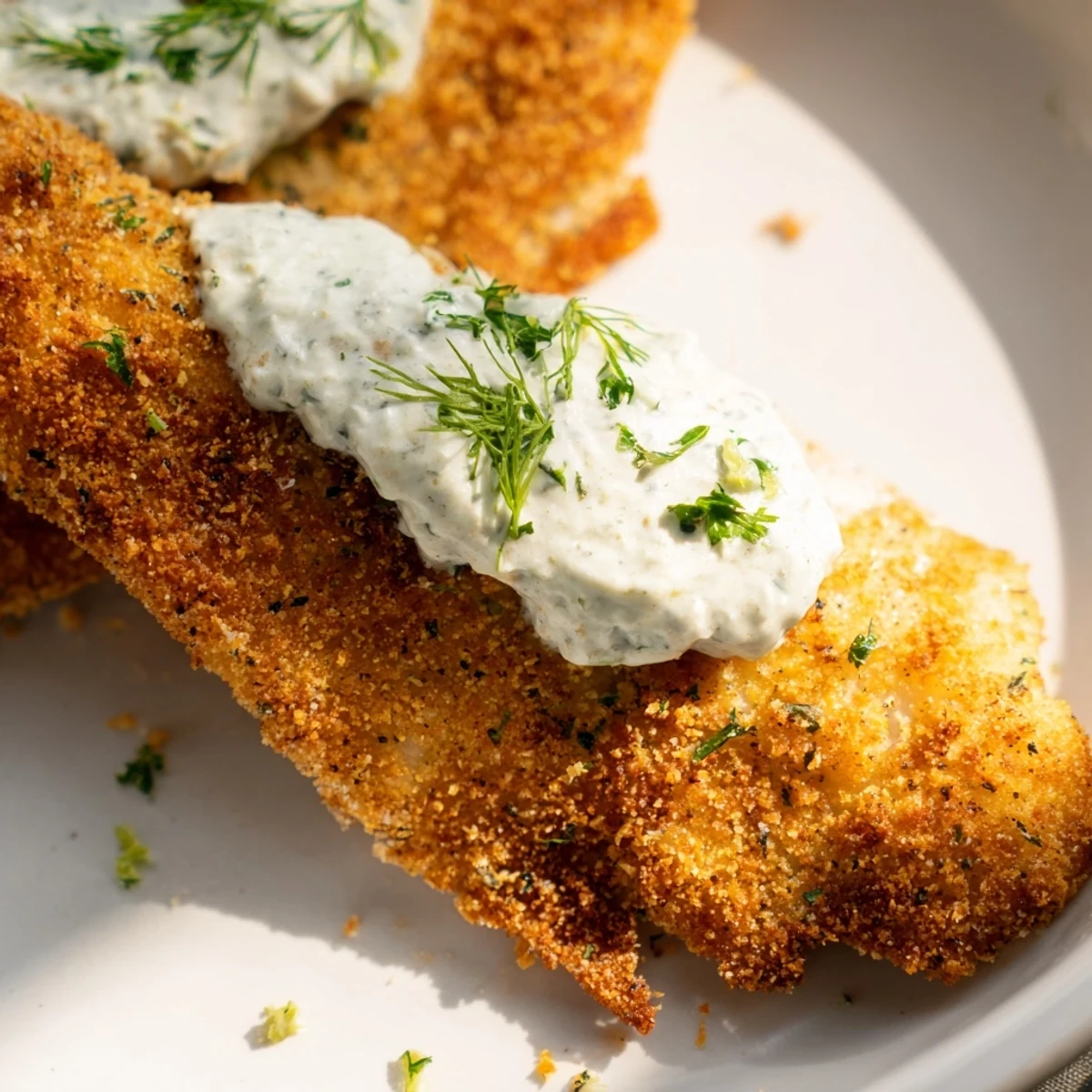
Save This dish features tender white fish fillets marinated in buttermilk and Cajun spices, coated in a flavorful cornmeal blend, and fried until golden and crispy. Paired with a creamy homemade tartar sauce seasoned with fresh herbs, pickles, and lemon juice, it delivers balanced heat and zesty richness. Quick to prepare and ideal for a satisfying main course, it complements well with classic Southern sides and cold beverages.
The air in my tiny apartment kitchen hung thick with the scent of frying cornmeal and cayenne, my roommate leaning through the doorway asking what kind of magic was happening. I'd stumbled onto a fish fry technique at a local dive bar the weekend before, watching the cook dredge catfish with this confident, practiced rhythm that I swore I'd replicate. That first batch came out too dark, the coating sliding off in patches, but by the fourth try I understood the gentle press needed to make everything stick. Now it's the only way I'll fry fish, and the whole house knows something good is coming long before dinner hits the plates.
Last summer I made this for a small dinner party when my friend from Louisiana visited, watching her face as she took that first bite. She nodded slowly, set her fork down, and said this actually tastes like home, which might be the best cooking compliment Ive ever received. We spent the rest of the evening picking at leftover pieces straight from the paper towels, telling stories and forgetting about the planned sides completely.
Ingredients
- White fish fillets: Catfish holds up beautifully to the heavy coating but cod or tilapia work perfectly if thats what you can find fresh
- Buttermilk: This is the secret weapon that tenderizes the fish while giving the breading something to grab onto
- Hot sauce: Just a splash in the marinade builds a gentle heat that runs through every bite without overwhelming anyone
- Cornmeal: Use yellow cornmeal for that classic golden color and slightly sweet corn flavor that makes Southern frying so distinctive
- All purpose flour: Lightens up the coating so it's not too gritty while still maintaining that serious crunch
- Cajun seasoning: Make your own or buy good quality, this blend carries most of the flavor responsibility
- Paprika and cayenne: The paprika adds color and subtle sweetness while cayenne brings the real heat if you're feeling brave
- Mayonnaise: Use real mayo, not miracle whip, for a rich creamy base that stands up to the fried fish
- Dill pickles: Chop them yourself instead of using relish, those little texture bursts make all the difference
- Capers: These little salty buds add complexity and brightness that cuts through the richness
- Fresh lemon juice: Squeeze it right before serving, that acid is essential for balancing all the fried goodness
- Dijon mustard: Just a teaspoon gives the tartar sauce backbone and a little sharp edge
Instructions
- Prepare the fish bath:
- Pour buttermilk into a shallow dish big enough to hold all your fillets, splash in that hot sauce, and lay the fish gently into the liquid, turning once to coat both sides.
- Let it soak:
- Walk away for at least 15 minutes while the buttermilk works its tenderizing magic, though 30 minutes won't hurt anything if you have the time.
- Build your coating station:
- Whisk together cornmeal, flour, Cajun seasoning, salt, pepper, paprika, and cayenne in a wide shallow bowl until everything looks evenly distributed.
- Get the oil ready:
- Pour about an inch of vegetable oil into your largest skillet and heat it until it reaches 350 degrees, or until a pinch of flour sizzles immediately when you drop it in.
- Dredge with confidence:
- Lift each fillet from the buttermilk, let the excess drip off for a second, then press firmly into the cornmeal mixture, turning and pressing again until you've got an even coating that actually sticks.
- Fry in batches:
- Carefully lower each coated fillet into the hot oil, giving them space, and let them cook undisturbed for 3 to 4 minutes before flipping for another 3 to 4 minutes until deeply golden.
- Rest and drain:
- Transfer the finished fish to a wire rack or paper towel lined plate while you fry the rest, letting them breathe a bit so the crust stays crisp.
- Whisk up the sauce:
- Stir together mayonnaise, chopped pickles, capers, lemon juice, Dijon, and fresh parsley in a small bowl, then taste and add salt and pepper until it hits exactly the right balance.
 Save
Save There was this one Tuesday night when everything felt heavy and wrong, so I made this recipe alone at the stove, eating standing up while the rain hit the kitchen window. Something about that ritual of dipping and dredging and frying, the smell filling up the whole space, just reset everything. It's become my comfort food for hard days, the crunch and spice and that bright tartar sauce somehow making everything feel manageable again.
The Secret to Perfect Crisp
I've learned that patience with the oil temperature makes or breaks the whole operation. When you rush and add fish before the oil's properly hot, you end up with this sad soggy coating that sticks to everything except the fish. I keep a thermometer nearby now and refuse to start frying until I see exactly 350 degrees, because that's the sweet spot where the crust immediately seals and crisps while the fish steams gently inside. The difference between rushed and patient frying is the difference between dinner and disappointment.
Making It Your Own
Some nights I dial back the cayenne when my nieces are visiting, other times I double it when it's just me and people who appreciate serious heat. The Cajun seasoning blend itself is totally adjustable, and I've started adding a little garlic powder or onion powder depending on my mood. That's the beauty of a recipe like this, it's a framework that responds beautifully to whatever you're feeling that day, so don't be afraid to play around until it tastes like yours.
What to Serve Alongside
A cold crisp coleslaw with a vinegar based dressing cuts through the richness and somehow makes each bite better than the last. I love simple oven fries dusted with salt and paprika, or if I'm feeling ambitious, homemade hush puppies that soak up every drop of that tartar sauce. A cold beer or chilled white wine isn't just optional pairing, it's basically required to complete the experience.
- Squeeze fresh lemon over the fish right before eating for that restaurant touch
- Make extra tartar sauce because it keeps for a week and goes on everything
- Set up a toppings bar with hot sauce and extra pickles and let everyone customize
 Save
Save Grab some paper towels, pour yourself something cold, and don't be surprised when this becomes the recipe everyone asks for on repeat.
Recipe FAQs
- → What type of fish works best?
-
White fish like catfish, tilapia, or cod hold up well to frying and absorb flavors beautifully.
- → How can I adjust the spice level?
-
Modify the amount of Cajun seasoning and cayenne pepper to suit your heat preference.
- → Can I make the tartar sauce ahead?
-
Yes, preparing the sauce in advance allows flavors to meld and keeps it fresh when served.
- → What is the best oil for frying?
-
Use a neutral oil with a high smoke point, such as vegetable or peanut oil, for crispy results.
- → Are there gluten-free options?
-
Substitute all-purpose flour with gluten-free flour to make the coating suitable for gluten sensitivity.