
 Save
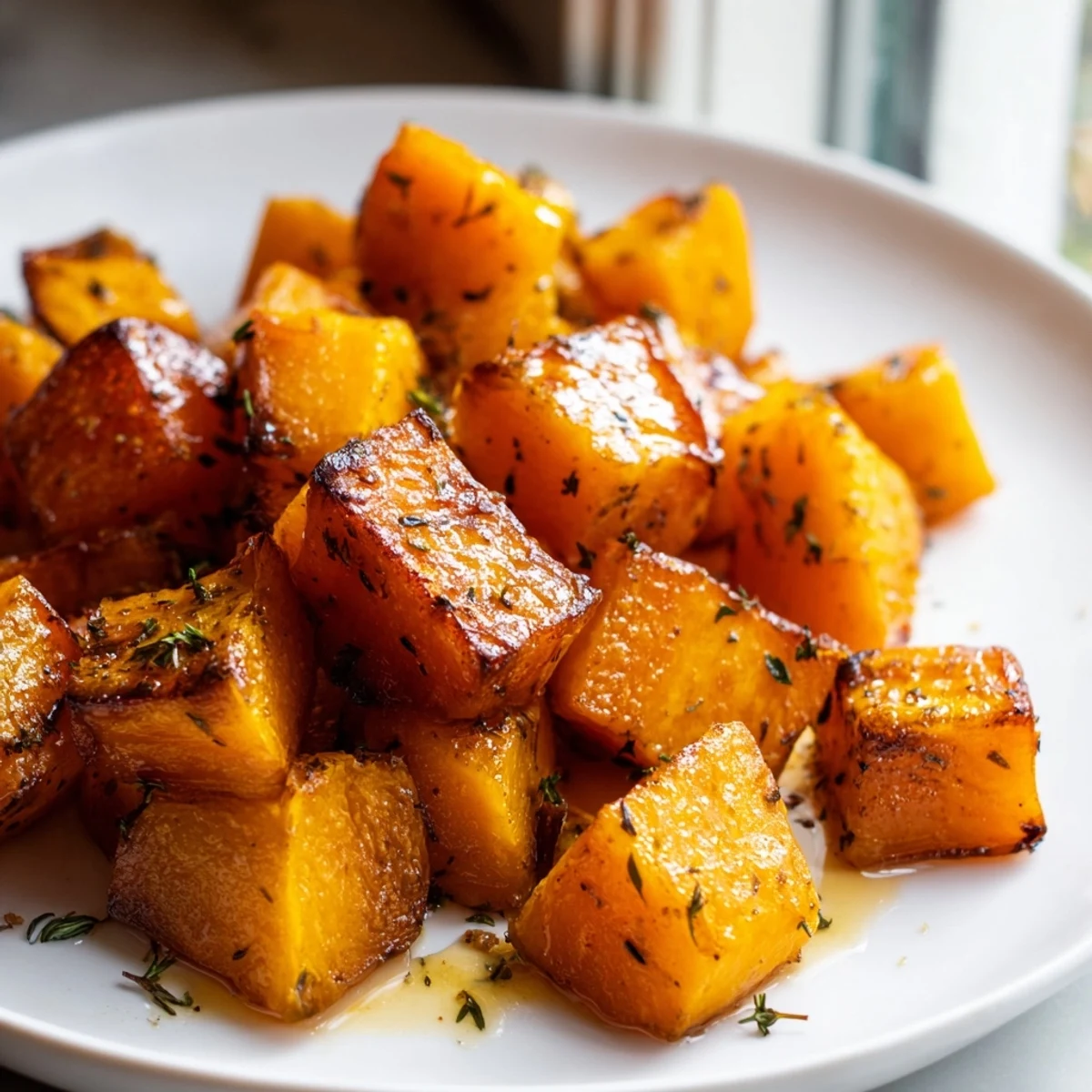
Save This simple yet elegant side dish features butternut squash cubes roasted until tender and caramelized. Seasoned with olive oil, herbs and optional maple syrup, the squash develops beautiful golden edges while maintaining a soft interior. Ready in just 40 minutes, it's perfect for autumn meals, holiday gatherings, or alongside any protein. The dish is naturally gluten-free and can be made vegan by using maple syrup instead of honey.
The first time autumn truly arrives at my house isn't when leaves change color—it's when my kitchen fills with the rich aroma of roasting butternut squash. Last October, with rain tapping against the windows and a chill in the air, I discovered how a simple tray of caramelized squash could transform an ordinary Tuesday into something special. My knife slid through the pale peach flesh as I prepared what would become a staple side dish in my home.
My brother-in-law, who famously claims to hate all vegetables, took seconds of this squash during last Thanksgiving dinner. The table fell silent as everyone watched him pile more onto his plate, and my sister shot me a look of pure disbelief across the cranberry sauce. When he asked for the recipe later that night, I knew I had stumbled onto something magical.
Ingredients
- Butternut squash: Look for one with a matte skin rather than glossy, which often indicates it was harvested too early—I learned this from a farmer after bringing home a squash that never seemed to soften properly.
- Olive oil: Use enough to coat but not drown the pieces, as too much will steam rather than roast the squash—a mistake I made for years before getting it right.
- Kosher salt: The larger flakes distribute more evenly than table salt, creating perfectly seasoned bites throughout instead of occasional salt bombs.
- Dried herbs: They infuse deeply during the roasting process, but fresh herbs will burn, something my smoke detector reminded me of quite dramatically once.
Instructions
- Prep your canvas:
- Preheat your oven to 425°F and line a baking sheet with parchment—this temperature might seem high, but trust me, its essential for that gorgeous caramelization.
- Season with intention:
- In a large bowl, toss those beautiful cubes with olive oil until they glisten, then sprinkle with salt, pepper, and herbs. I like running my fingers through them gently to ensure each piece gets its fair share of flavor.
- Create breathing room:
- Spread the squash in a single layer, giving each piece personal space. Crowded squash steams rather than roasts, robbing you of those delicious golden edges we're after.
- The waiting game:
- Roast for 25-30 minutes, flipping halfway when the bottom edges start to brown. Your kitchen will fill with a sweet, nutty aroma that signals youre doing everything right.
- Sweet finish:
- For an extra touch of magic, drizzle with maple syrup during the final 5 minutes. Watch closely as it creates a thin, shimmering glaze that transforms good squash into unforgettable squash.
 Save
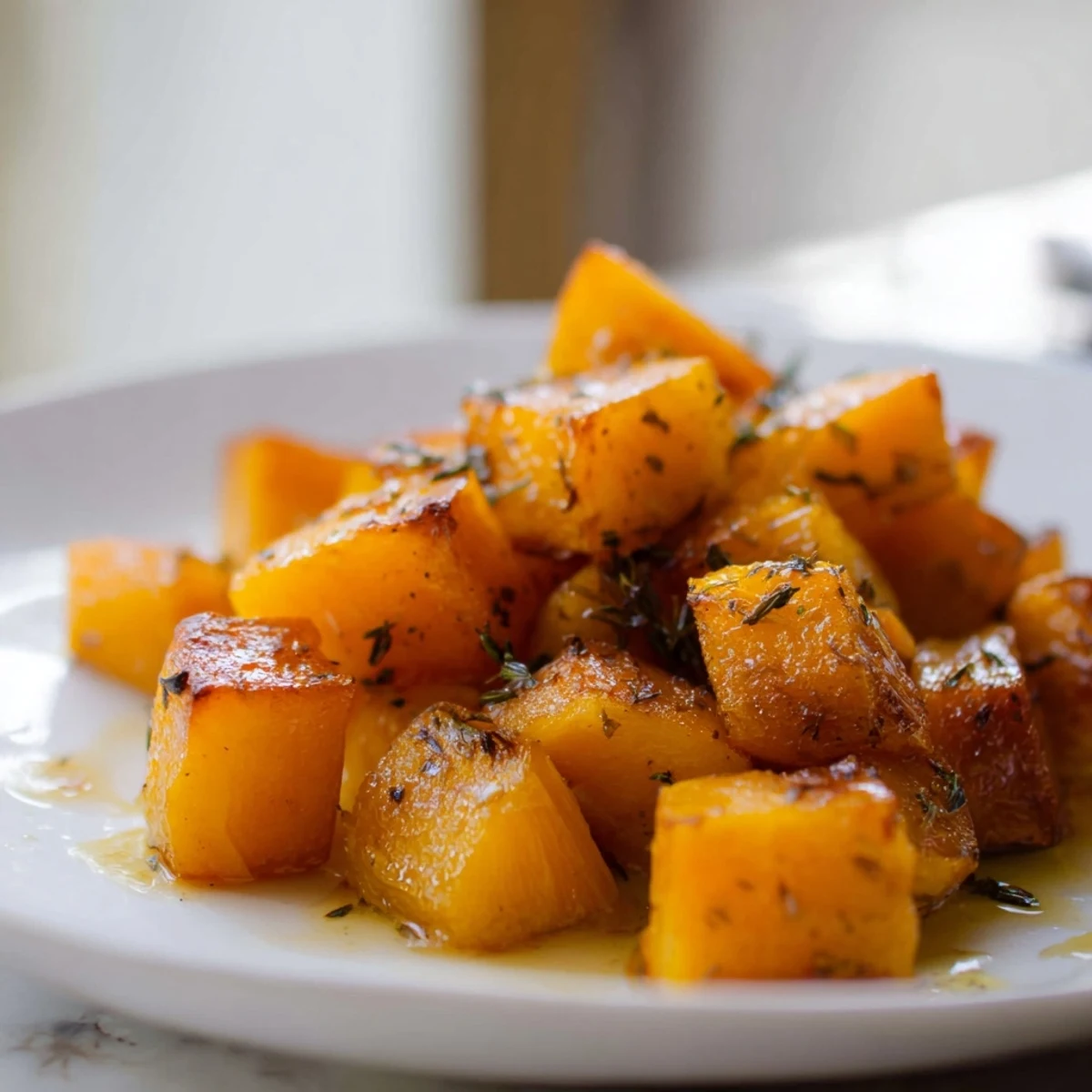
Save One December evening, when disappointment hung heavy in our house after my daughters school play was canceled due to snow, I quickly roasted this squash alongside some chicken. As we sat eating by candlelight (my attempt at creating an impromptu special occasion), she declared between bites that maybe staying home was even better than the play would have been. In that moment, this simple side dish became part of our family story.
Choosing the Perfect Squash
The weight of a butternut squash can tell you so much about its quality. I once grabbed the lightest one in a hurry, only to discover it was mostly hollow inside with dried-out flesh. Now I always choose squash that feels heavy for its size, indicating dense, moisture-rich flesh that will roast beautifully. The stem should be intact, dry, and corky—a fresh green stem means it was harvested too early and wont have developed its full sweetness.
Make-Ahead Magic
During the holiday chaos last year, I discovered this squash tastes nearly as wonderful when prepared a day ahead and reheated. The flavors seem to settle and deepen overnight in the refrigerator, making those last-minute dinner party preparations so much more manageable. Just spread the cold roasted pieces on a baking sheet and warm at 350°F for about 10 minutes until heated through—the edges will re-crisp beautifully without drying out the centers.
Variations Worth Trying
After making this recipe at least thirty times, Ive experimented with countless variations that keep it exciting. My current obsession is adding a tablespoon of balsamic vinegar during the last five minutes of roasting—it reduces to a sweet-tangy glaze that balances the squashs natural sweetness perfectly.
- For a warming winter version, try adding a quarter teaspoon of cinnamon and a pinch of nutmeg to the seasoning mix.
- Turn this into a main dish by tossing the roasted squash with cooked farro, dried cranberries, and toasted pepitas.
- For a show-stopping presentation, roast halved delicata squash instead—the skin is edible and the scalloped edges look stunning on a serving platter.
 Save
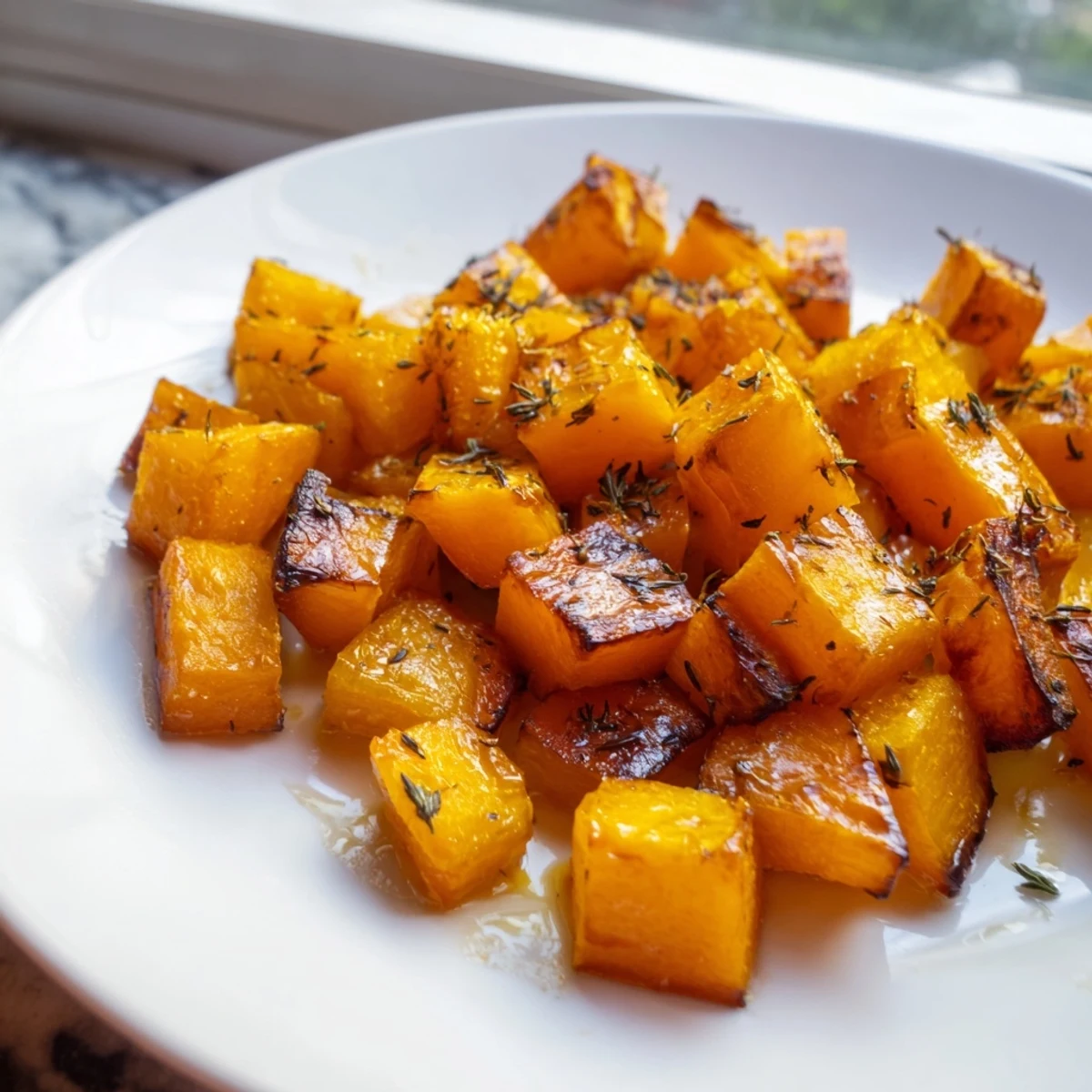
Save This humble side dish has earned its place at countless meals in my home, from ordinary weeknights to the most special celebrations. Whatever occasion brings this roasted squash to your table, I hope it creates a moment of warmth and connection for you too.
Recipe FAQs
- → What other types of squash can I use for this dish?
-
You can easily substitute butternut squash with acorn, kabocha, or delicata squash. Each variety offers slightly different flavor profiles and textures but can be prepared using the same method.
- → How can I tell when the squash is perfectly cooked?
-
The squash is ready when it's fork-tender and has developed golden brown caramelized edges. You should be able to easily pierce it with a fork, but it shouldn't be mushy.
- → Can I prepare this dish ahead of time?
-
Yes! You can roast the squash up to 2 days ahead and reheat it in a 350°F oven until warm, about 10-15 minutes. It's also delicious at room temperature for buffet-style serving.
- → What main dishes pair well with roasted squash?
-
Roasted squash pairs beautifully with roasted chicken, turkey, pork tenderloin, or grilled steak. For vegetarian meals, serve alongside grain dishes like quinoa or farro with additional roasted vegetables.
- → How should I store leftovers?
-
Store leftover roasted squash in an airtight container in the refrigerator for up to 4 days. Leftovers can be reheated or enjoyed cold in salads or grain bowls.
- → Can I add other vegetables to roast with the squash?
-
Absolutely! Vegetables with similar cooking times work best, such as carrots, parsnips, brussels sprouts, or red onions. Adjust oil quantities slightly to ensure all vegetables are lightly coated.