
 Save
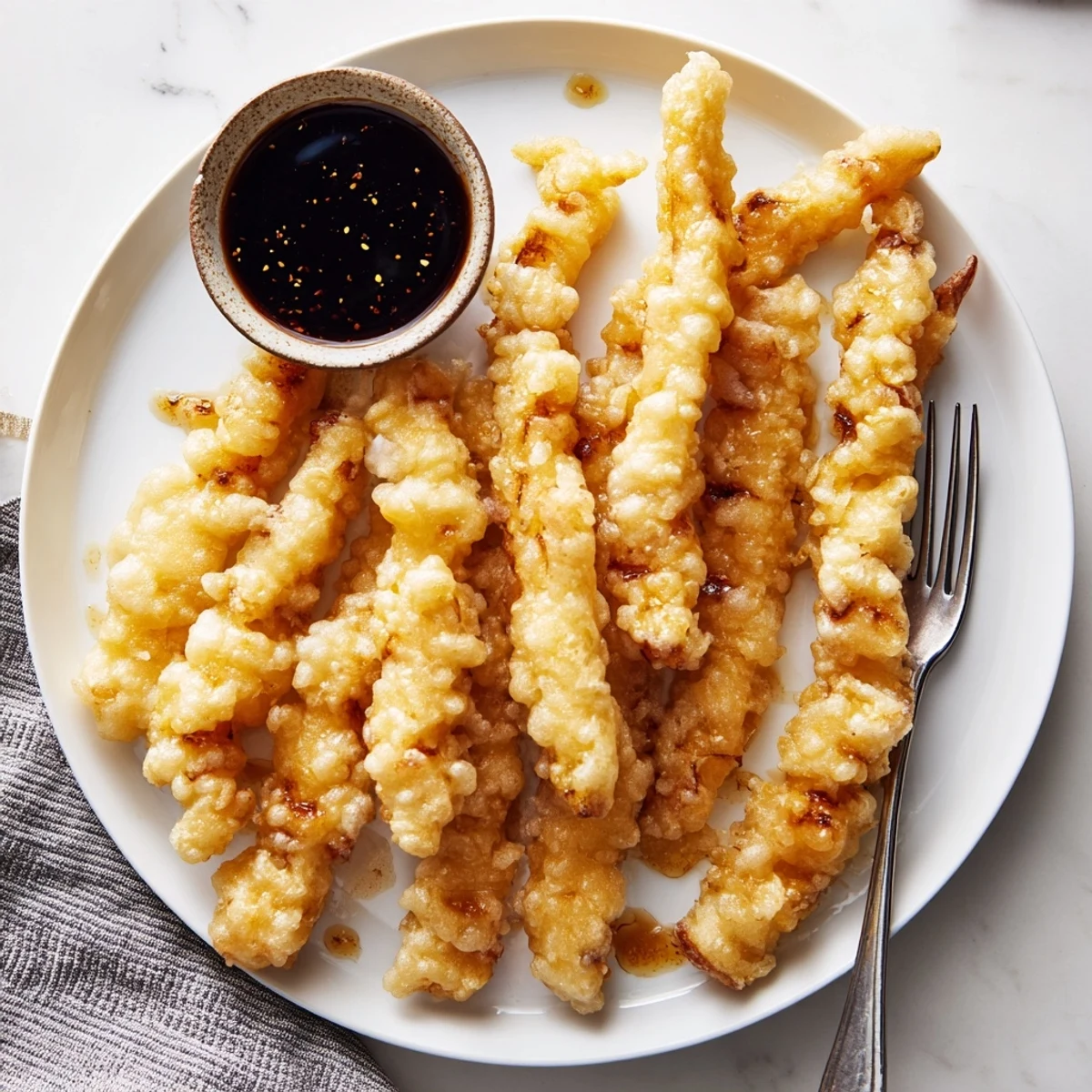
Save Enjoy restaurant-quality chicken tempura at home with this straightforward Japanese-inspired preparation. The secret lies in the ice-cold sparkling water batter, creating that signature light and airy crunch. Each piece emerges from the fryer with a delicate golden coating that stays satisfyingly crisp.
The process is simple: slice chicken into strips, prepare the lumpy tempura batter, and fry in batches at the right temperature. The accompanying dipping sauce balances savory soy, sweet mirin, and zesty ginger for that authentic flavor profile.
Perfect as an appetizer for gatherings or served alongside steamed rice for a complete meal. The entire dish comes together in just 35 minutes, making it ideal for weeknight dinners or weekend entertaining.
Last winter, my kitchen became a makeshift tempura station after I mentioned to friends that I'd always wanted to master crispy fried chicken at home. They showed up with bottles of sparkling water and expectations, turning a casual experiment into one of those chaotic, wonderful cooking nights that ended with us crowded around the stove, dipping hot pieces into sauce while snow fell outside.
My first attempt at tempura was years ago, using still water and overworking the batter until it was tough as shoe leather. That miserable failure taught me everything about what not to do, and now I get positively evangelical about leaving lumps in the mixture and keeping everything ice cold.
Ingredients
- Boneless chicken breasts: Cut these into strips while they are slightly firm from the refrigerator so they hold their shape better
- All purpose flour and cornstarch: This combination creates the perfect balance of structure and delicate crispness
- Ice cold sparkling water: The carbonation is the secret weapon that creates those signature airy bubbles
- Vegetable oil: You need enough depth so the chicken floats freely while frying
- Soy sauce and mirin: The foundation of a dipping sauce that balances salty and sweet perfectly
Instructions
- Prep the chicken:
- Cut the chicken into thin strips and pat them thoroughly dry with paper towels, then season generously with salt and pepper. Dry chicken means better batter adhesion and crispier results.
- Mix the dry ingredients:
- Whisk together the flour, cornstarch, and baking powder in a large bowl until well combined. Make sure there are no clumps of cornstarch hiding in the mixture.
- Combine wet and dry:
- Beat the egg lightly and mix it with the sparkling water, then pour into the dry ingredients. Stir briefly with chopsticks just until combined, leaving plenty of lumps, which is crucial for lightness.
- Heat the oil:
- Pour the vegetable oil into a deep pan and heat to 175°C (350°F). If you do not have a thermometer, the oil is ready when a wooden chopstick inserted creates steady bubbles around it.
- Fry the chicken:
- Dip each chicken strip into the batter, let excess drip off, and carefully lower into the hot oil. Fry for 3 to 4 minutes, turning once, until deep golden and impossibly crisp.
- Make the sauce:
- Combine the soy sauce, mirin, rice vinegar, sugar, and grated ginger in a small saucepan. Heat gently until the sugar dissolves completely, then let cool to room temperature before serving.
 Save
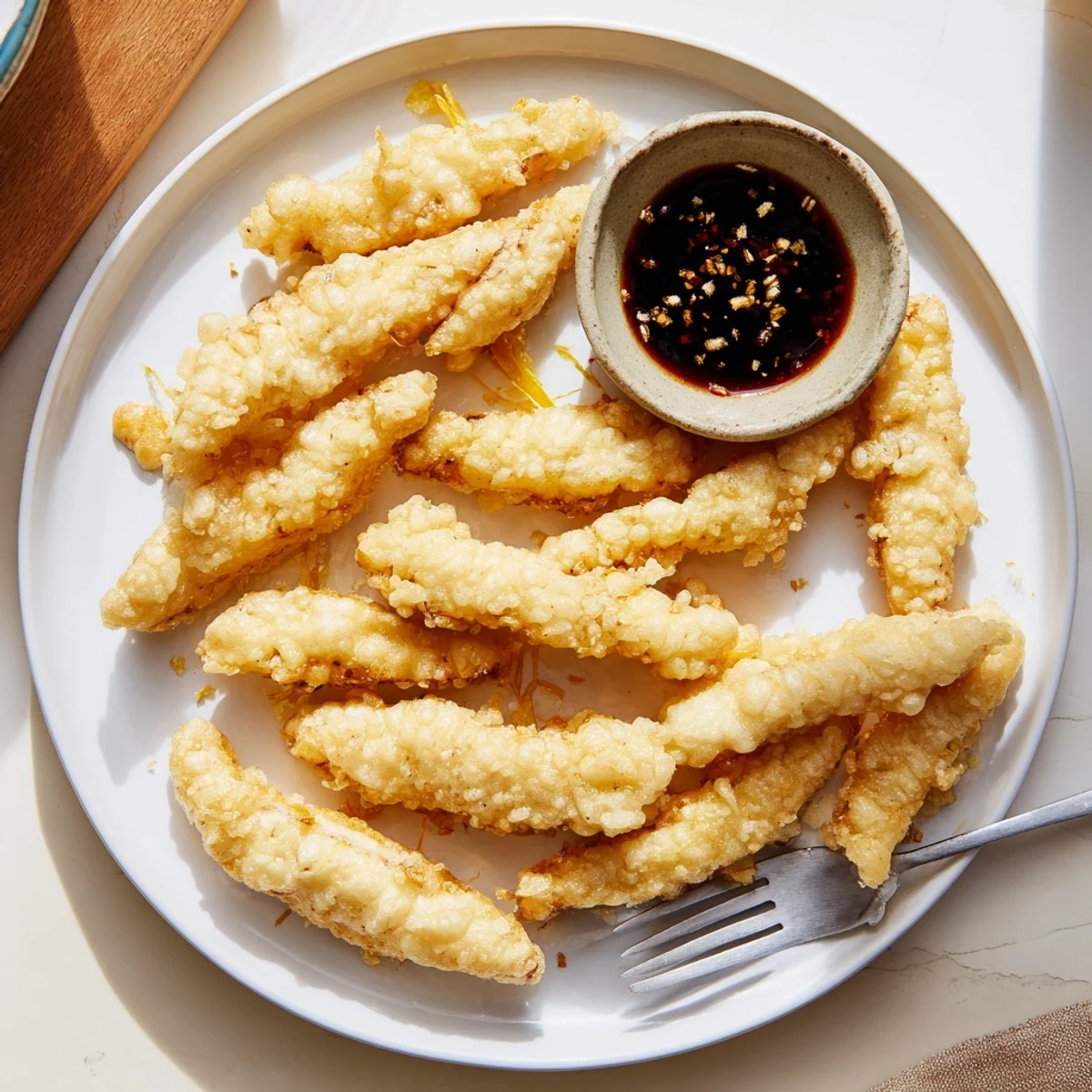
Save The moment when that first batch hits the hot oil and the kitchen fills with the sound of vigorous sizzling is still one of my favorite cooking sounds. It is the sound of transformation, of ordinary chicken becoming something extraordinary.
Keeping Everything Cold
The temperature difference between cold batter and hot oil is what creates that signature lace pattern and crunch. I keep my sparkling water in the freezer for 15 minutes before starting, and I even chill my mixing bowl. This extra attention to temperature makes a noticeable difference in the final texture.
The Art of Timing
Working in small batches is tedious but essential, and I have learned to accept that good tempura cannot be rushed. Each piece needs its personal space in the oil to achieve maximum crispness without steaming from overcrowding.
Serving It Right
Tempura loses its magic quickly, so I always set the table and call everyone to the kitchen before I start frying. There is something wonderful about serving food seconds after it leaves the oil, still too hot to eat but impossible to resist.
- Line your serving plate with paper towels to catch any excess oil
- Have the dipping sauce ready in small bowls before you start frying
- Never cover tempura with foil or it will steam and lose its crunch
 Save
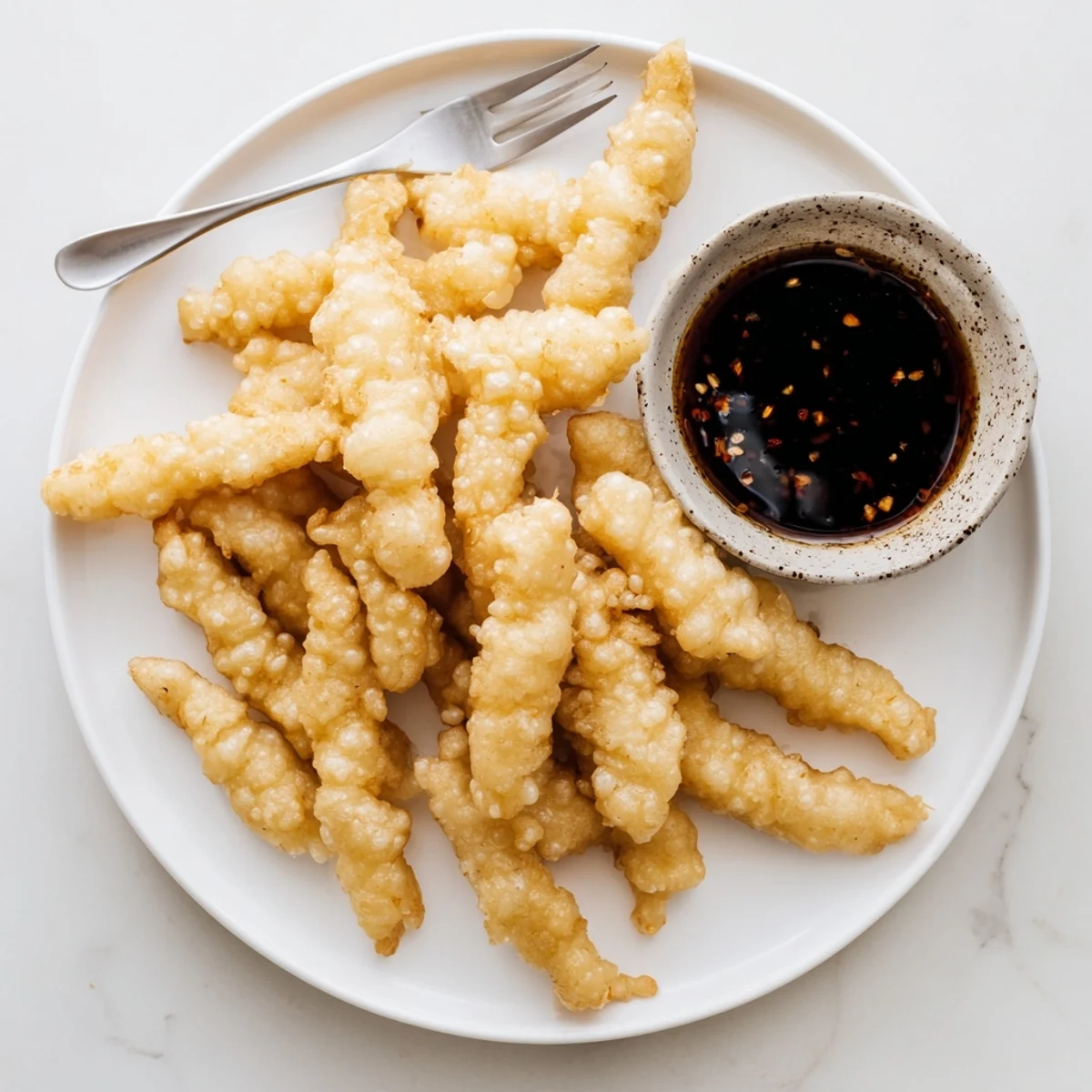
Save Whether you are serving this as an appetizer or making a meal of it with rice and pickles, chicken tempura has a way of making any Tuesday dinner feel like a celebration.
Recipe FAQs
- → What makes tempura batter different from regular frying batter?
-
Tempura batter uses ice-cold sparkling water and minimal mixing, creating tiny air pockets that result in an exceptionally light and crispy coating. The lumpy texture is intentional and key to achieving that delicate, airy crunch.
- → Can I use regular water instead of sparkling water?
-
While regular water works, sparkling water creates a lighter, crispier texture due to the carbonation. The bubbles in the water help create the signature tempura crunch that makes this dish special.
- → How do I prevent the batter from becoming soggy?
-
Keep the batter ice-cold and avoid overmixing. Work quickly when dipping and frying. Using a wire rack for draining helps maintain crispiness better than paper towels alone.
- → What other proteins can I use with this batter?
-
Shrimp, white fish fillets, or even vegetables like sweet potato, bell peppers, and zucchini work beautifully with this tempura batter. Adjust frying times accordingly.
- → Can I bake instead of deep-fry?
-
Baking won't achieve the same crispy texture as deep-frying. However, you can air-fry at 375°F for 10-12 minutes, though the coating will be less delicate than traditional deep-fried tempura.
- → How long does the dipping sauce keep?
-
The dipping sauce can be stored in an airtight container in the refrigerator for up to 2 weeks. Bring to room temperature before serving for the best flavor.