
 Save
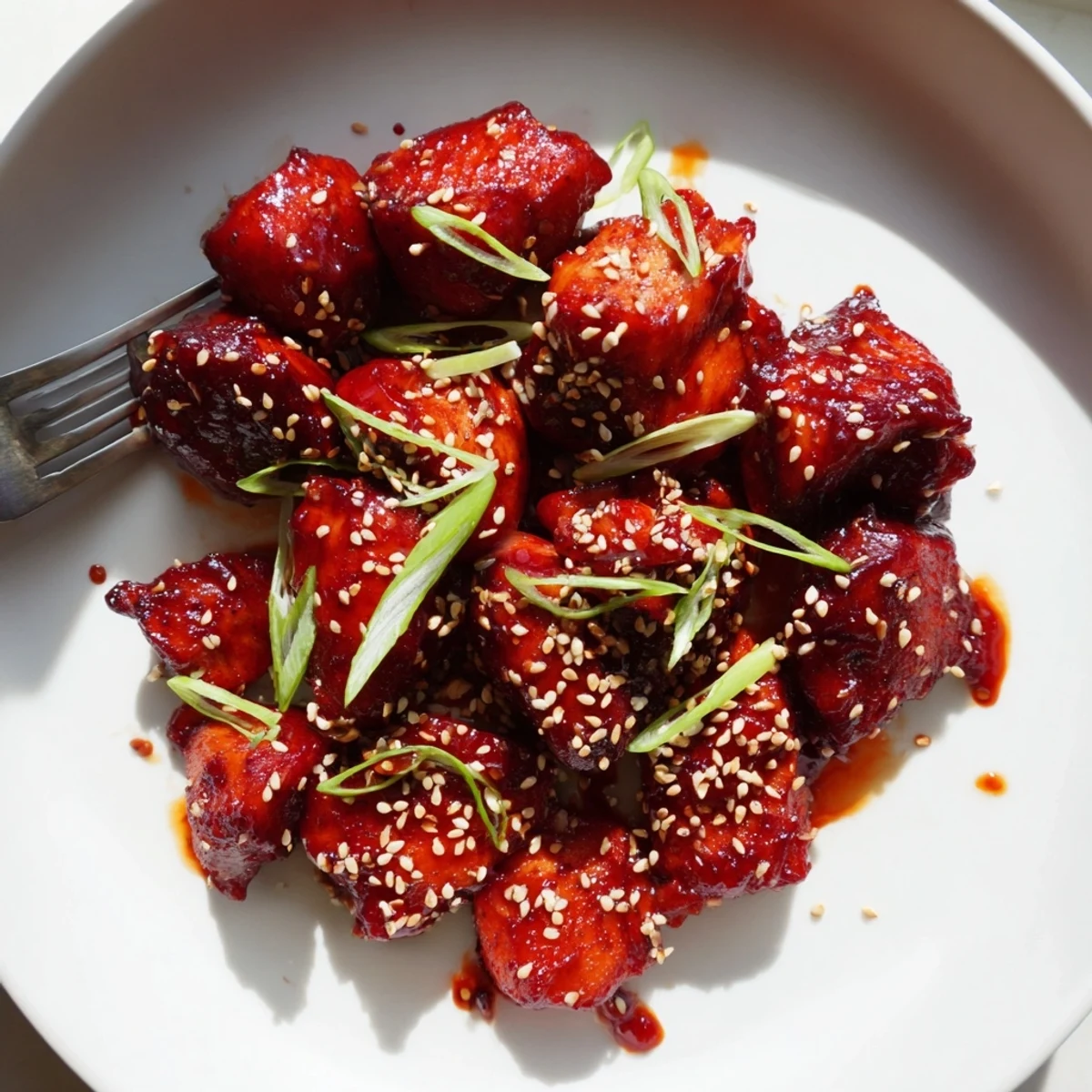
Save Create this vibrant Korean-inspired dish featuring tender chicken pieces glazed in a bold, spicy-sweet gochujang sauce. The marinade combines Korean chili paste with soy sauce, honey, garlic, and fresh ginger for maximum flavor penetration. After marinating for at least 15 minutes, the chicken cooks until beautifully caramelized with thickened coating sauce. Ready in just 40 minutes, this dairy-free main dish serves four and pairs perfectly with steamed rice. Adjust heat levels with Korean chili flakes, and finish with sesame seeds and fresh green onions for restaurant-quality results at home.
The first time I made gochujang chicken, my entire apartment smelled like a Korean restaurant on a busy Friday night. That sweet-spicy aroma hit me before I even turned around from the stove, and I knew this was going to be a regular rotation.
I served this to my brother who claims he hates spicy food, and he went back for thirds. The way the sauce caramelizes in the pan creates these sticky, umami-rich edges that make restaurant-quality chicken feel totally achievable at home.
Ingredients
- 1.5 lbs boneless skinless chicken thighs: Thighs stay juicier than breasts through high-heat cooking and the extra fat helps the sauce cling better
- 3 tbsp gochujang: This fermented Korean chili paste is the soul of the dish, bringing depth beyond just heat
- 2 tbsp soy sauce: Adds essential saltiness and that savory umami backbone
- 1 tbsp sesame oil: Toasted sesame oil adds a nutty aroma that rounds out the bold flavors
- 2 tbsp honey: Balances the heat and creates that beautiful caramelization in the pan
- 1 tbsp rice vinegar: Cuts through the richness and brightens the entire sauce
- 3 cloves garlic: Fresh garlic is non-negotiable here, jarred minced garlic lacks the punch
- 1 tbsp fresh ginger: Grated fresh ginger brings a zesty warmth that powder just cannot replicate
- 1 tbsp brown sugar: Helps the sauce thicken and adds molasses notes
- 2 green onions: Fresh onion finish adds a crisp contrast to the rich glaze
- 1 tbsp sesame seeds: Toasted sesame seeds add a final nutty crunch and visual pop
Instructions
- Whisk together the marinade:
- In a large bowl, combine gochujang, soy sauce, sesame oil, honey, rice vinegar, garlic, ginger, brown sugar, and black pepper until completely smooth. The mixture should be thick and glossy.
- Marinate the chicken:
- Add the chicken pieces and toss until every piece is thoroughly coated. Cover and let sit for at least 15 minutes, though the flavor develops beautifully if you have time for up to 2 hours.
- Sear the chicken:
- Preheat your skillet over medium-high heat until a drop of water sizzles instantly. Shake excess marinade off the chicken and arrange in a single layer without overcrowding.
- Cook to caramelized perfection:
- Cook for 5 to 7 minutes per side, turning occasionally, until the chicken is cooked through and you see those gorgeous charred, sticky edges developing.
- Glaze and finish:
- Pour the remaining marinade into the pan and reduce heat to medium. Simmer for 2 to 3 minutes, tossing constantly, until the sauce thickens into a glossy coating.
- Garnish and serve:
- Transfer to a platter and sprinkle immediately with green onions and sesame seeds while the sauce is still hot and sticky.
 Save
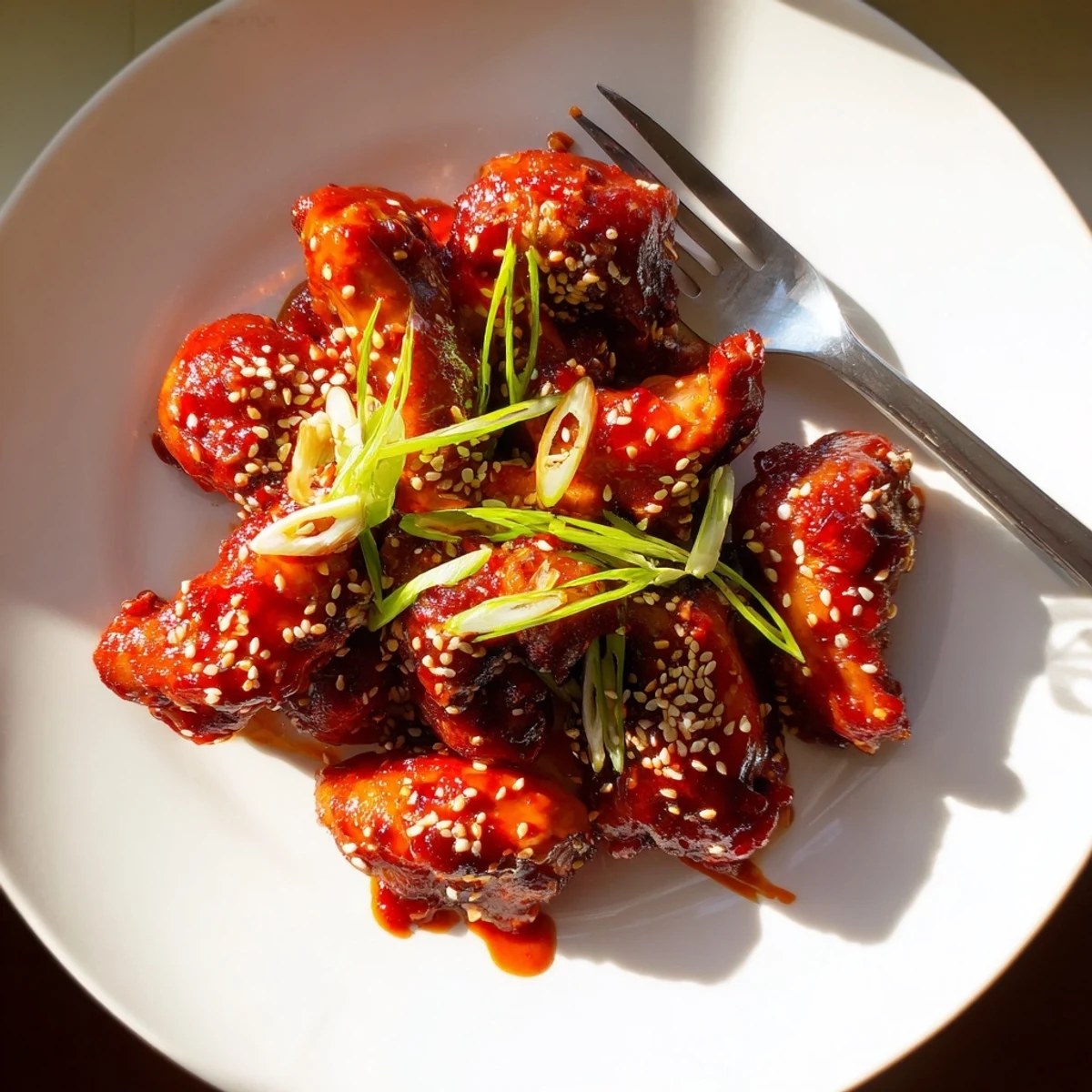
Save This recipe became my go-to for dinner parties because it looks impressive but is actually forgiving. I have made it for coworkers, neighbors, and that one friend who claims to not like Korean food, and every plate comes back clean.
Making It Your Own
Sometimes I add gochugaru, Korean chili flakes, when I want extra heat. The flakes disperse differently than gochujang and create little spicy pockets throughout the sauce.
Perfect Pairings
Steamed jasmine rice soaks up that sauce perfectly, but I also love it with quick-pickled cucumbers. Something cold and sharp cuts through the richness and balances the meal beautifully.
Meal Prep Success
This chicken reheats surprisingly well for a saucy dish. I actually think the flavors deepen overnight in the refrigerator, making it an excellent candidate for meal prep Sundays.
- Cook the chicken fully and store it in an airtight container for up to 4 days
- Reheat gently in a pan with a splash of water to loosen the sauce
- Keep the garnishes separate and add fresh just before serving
 Save
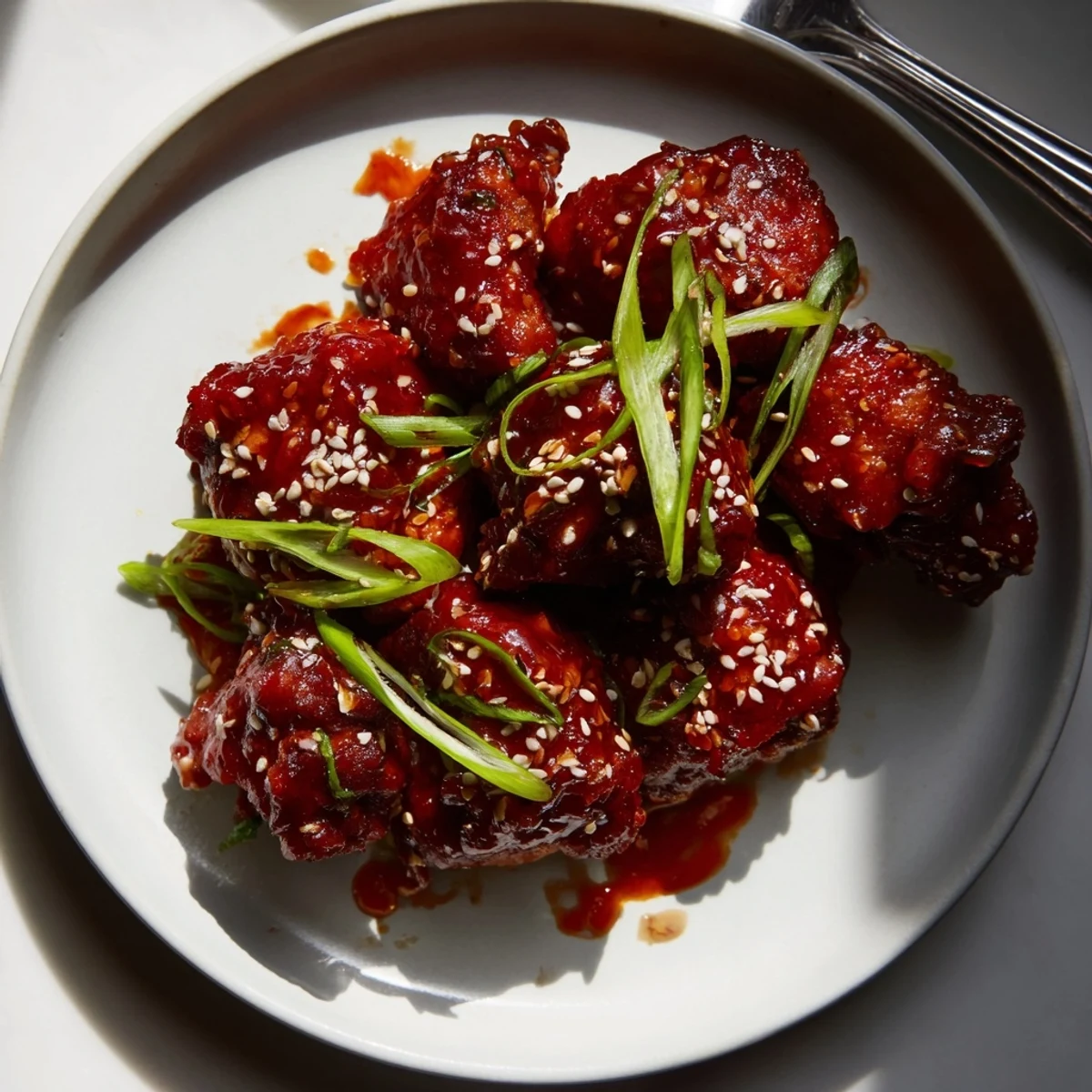
Save There is something deeply satisfying about a recipe that delivers such big flavors with such humble effort. This is the kind of dinner that makes weeknight cooking feel like a treat instead of a chore.
Recipe FAQs
- → What does gochujang taste like?
-
Gochujang delivers a complex flavor profile combining savory umami, moderate heat, and subtle sweetness from fermented soybeans and rice. The paste adds depth and rich red color to dishes while providing a distinctive Korean culinary signature.
- → Can I use chicken breasts instead of thighs?
-
Chicken breasts work well but require careful attention to prevent drying. Reduce cooking time slightly and monitor internal temperature closely. Breasts absorb marinade quickly but benefit from shorter marinating periods around 30 minutes to avoid texture changes.
- → How spicy is this dish?
-
The heat level registers medium—spicy enough for flavor without overwhelming palates. Gochujang provides gentle warmth rather than intense burn. Increase spiciness by adding Korean chili flakes or reducing honey in the glaze.
- → What sides complement gochujang chicken?
-
Steamed white rice balances the spicy glaze perfectly. Pickled vegetables, cucumber salad with vinegar dressing, or stir-fried bok choy provide refreshing contrasts. Kimchi adds authentic Korean flair while cooling elements help tame heat.
- → How long should I marinate the chicken?
-
Fifteen minutes minimum ensures basic flavor absorption. For deeper taste penetration, marinate up to two hours in the refrigerator. Beyond two hours, the acidic ingredients may affect texture, making the chicken slightly mushy.
- → Is gochujang gluten-free?
-
Traditional gochujang contains fermented wheat, making it unsuitable for gluten-sensitive individuals. However, gluten-free versions exist—check labels carefully. If avoiding gluten, substitute coconut aminos for soy sauce and verify all paste ingredients.