
 Save
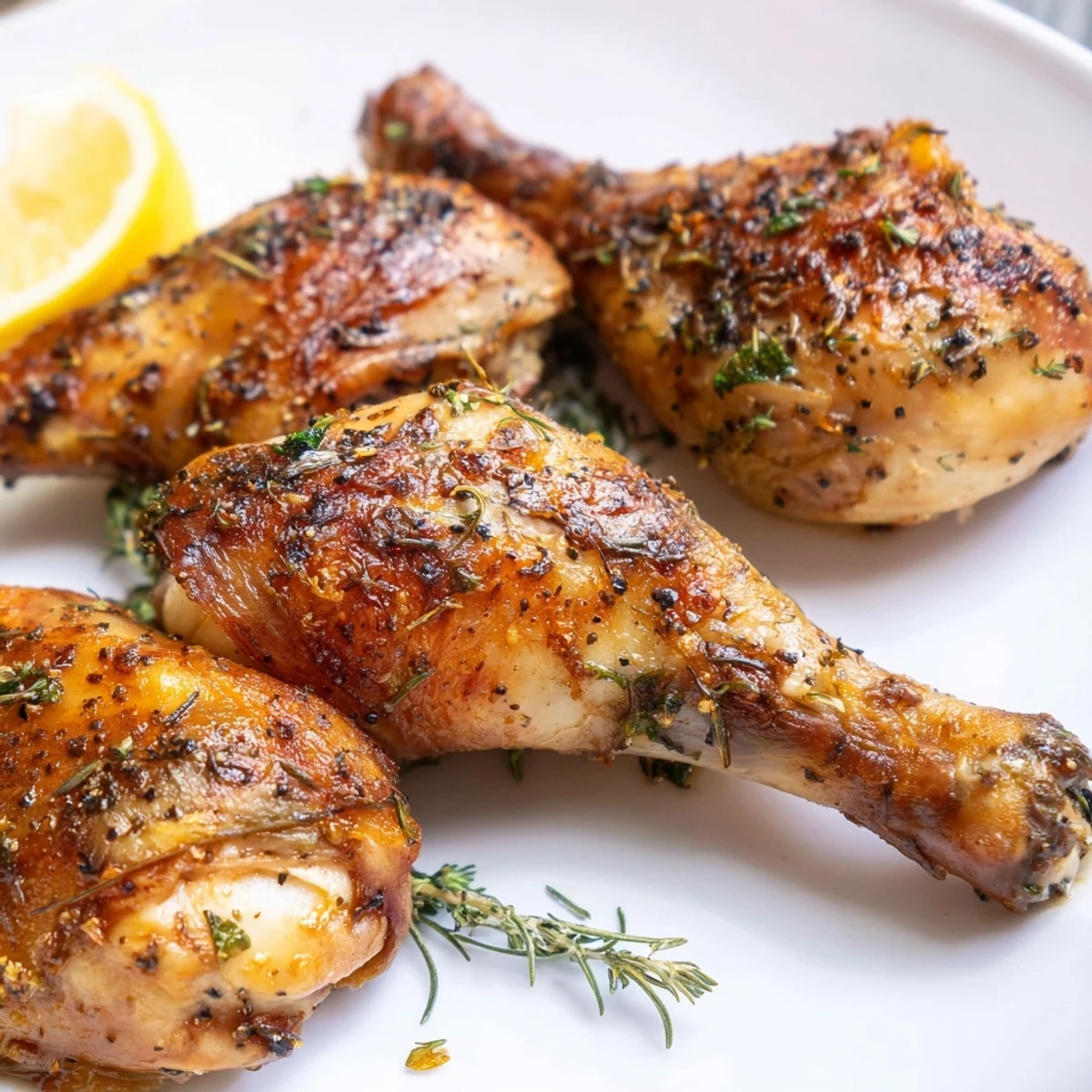
Save These turkey drumsticks are seasoned with fresh rosemary, thyme, parsley, garlic, and oregano, then coated in olive oil and slow-roasted until the skin becomes crispy and golden brown. Lemon slices and broth in the pan keep the meat moist and add subtle brightness. The combination of aromatic herbs and gentle roasting yields tender, flavorful meat perfect for festive occasions or easy weeknight dinners. Resting the meat before serving preserves juiciness and enhances the overall taste.
There's something about the smell of rosemary hitting hot oil that makes a kitchen feel alive. My sister brought turkey drumsticks to a casual Sunday dinner years ago, and I realized they're the sneaky weeknight answer to roasted poultry—juicy, forgiving, and way less fussy than a whole bird. These herb-roasted ones became my go-to when I wanted something that felt special without the stress.
I made these for a potluck once and watched people go back for seconds, surprised it was turkey and not chicken. The garlic and fresh herbs make them taste expensive and thoughtful, even though you're basically just coating and roasting. That's the magic of this one—it looks like you know what you're doing.
Ingredients
- Turkey drumsticks: Four large ones give you enough for four people with good portions, and they're cheaper than breasts but way more forgiving when you're learning.
- Fresh rosemary and thyme: Dried works in a pinch, but fresh herbs are worth the trip—they perfume the whole house while roasting.
- Garlic: Minced fine so it coats everything evenly and becomes sweet and mellow instead of sharp.
- Olive oil: The carrier that turns herbs into a paste that sticks and crisps up on the skin.
- Salt and pepper: Kosher salt lets you feel the granules, giving you control—don't skimp.
- Smoked paprika: Optional but worth it for a subtle depth that whispers rather than shouts.
- Lemon slices: They perfume the pan liquid and add brightness to the finished bird.
- Chicken broth: Low-sodium lets you control the salt; the steam keeps meat tender while skin crisps.
Instructions
- Dry and prep:
- Pat those drumsticks completely dry with paper towels—wet skin will never crisp, and that's the whole point. This one small step changes everything.
- Build the herb paste:
- Combine olive oil with all your herbs, garlic, and seasonings in a small bowl. Stir until it looks like chunky pesto and smells like you know what you're doing.
- Coat generously:
- Rub the herb mixture all over each drumstick, getting between the thighs and legs, under any skin flaps. Your hands will smell incredible.
- Set up for roasting:
- Arrange drumsticks on a rack in a roasting pan or on a parchment-lined baking sheet, tuck lemon slices around them, and pour broth into the pan (not over the turkey). The steam rises, the skin stays exposed and gets golden.
- Roast with one turn:
- At 400°F for 1 hour 15 minutes, rotating them halfway through. You'll see the skin go from pale to deep golden, and that's your cue you're almost done. A meat thermometer hitting 175°F inside the thickest thigh means you're safe.
- Rest before serving:
- Five to ten minutes lets the juices settle so the meat stays moist when you bite into it, not dry.
 Save
Save There was a moment when my neighbor came over and the smell alone pulled them into the kitchen before dinner was even announced. We ended up sitting around talking for an hour with these drumsticks as the centerpiece, and that's when food stops being just sustenance.
The Crispy Skin Secret
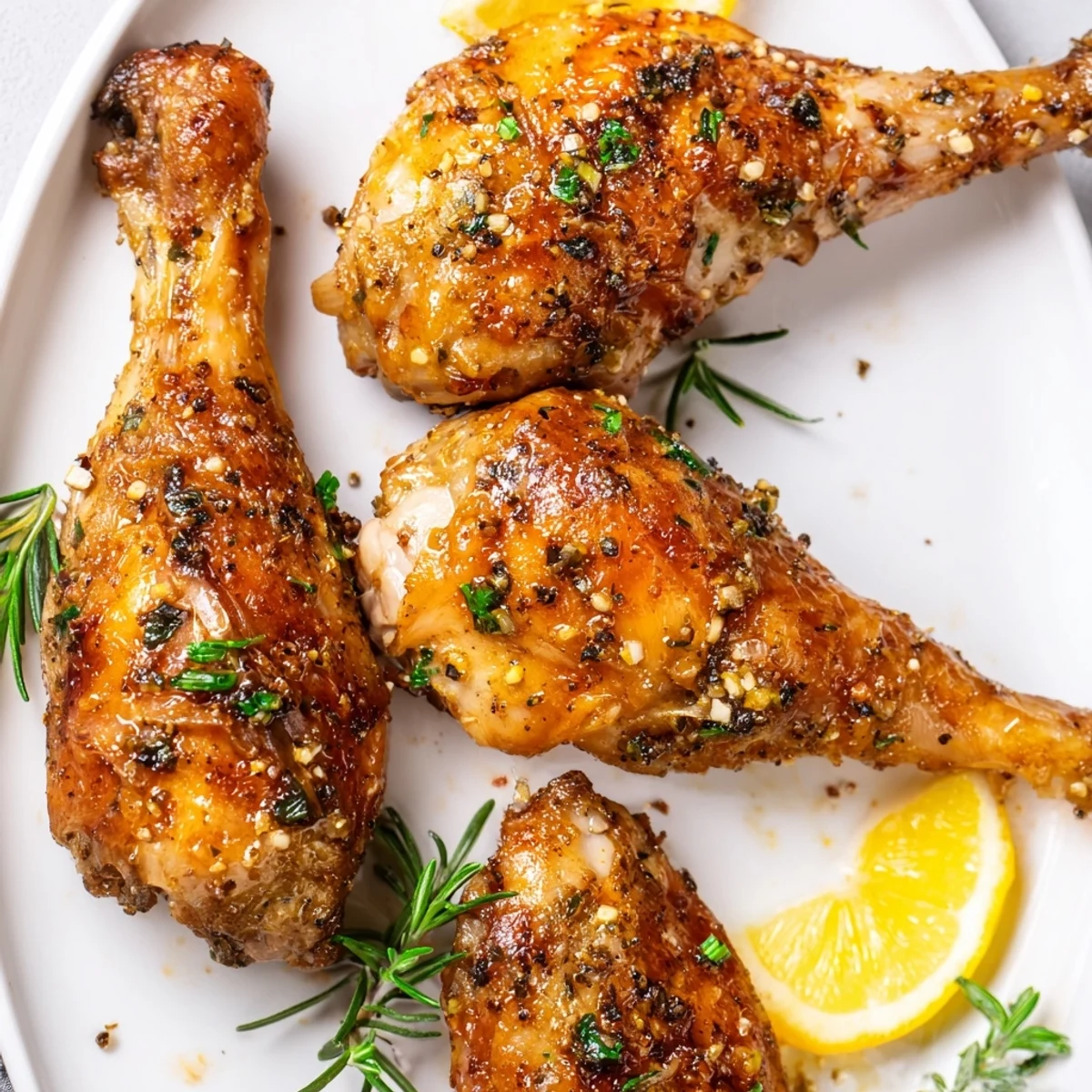
The skin is where all the drama happens, and I learned this the hard way by covering drumsticks with foil. Exposed skin gets golden and crackling because the dry heat hits it directly, while the broth creates steam that keeps the meat inside tender. If you want extra crispy at the end, pull them out and run them under the broiler for two to three minutes—you'll see the skin blister and deepen, and it's absolutely worth those last few minutes.
Swaps and Flexibility
Chicken drumsticks work beautifully here and cook faster, around 40 to 45 minutes, so watch them closely. Thighs are another option if you prefer them, though they're fattier and need slightly less time. The herb blend is forgiving too—swap dried oregano for dried Italian seasoning if that's what you have, or add a pinch of thyme in place of one of the other herbs.
Building Your Plate
These drumsticks shine alongside roasted vegetables that cook in the same oven—carrots, Brussels sprouts, or root vegetables tossed in oil and salt. Mashed potatoes catch all the pan juices if you pour them over, or a simple green salad cuts through the richness. The beauty of drumsticks is they feel special enough for company but casual enough for just you on a Tuesday night.
- Save the pan drippings by pouring them through a fine strainer—they're liquid gold for gravy or for drizzling over vegetables.
- Leftovers shred beautifully and turn into sandwiches, grain bowls, or quick quesadillas the next day.
- Double the herb mixture if you're feeding more people and cooking a second batch.
 Save
Save This recipe has become my answer to the question of what to make when you want something that tastes like you tried harder than you actually did. That's the kind of cooking that sticks with people.
Recipe FAQs
- → How do I ensure the turkey skin becomes crispy?
-
Pat the drumsticks dry before applying the herb and oil mixture. Roast at a high temperature and optionally broil for 2–3 minutes at the end to enhance crispiness.
- → Can I substitute other herbs for the fresh rosemary?
-
Yes, dried herbs or alternatives like sage or marjoram work, though fresh rosemary provides the most aromatic flavor.
- → What is the internal temperature to check doneness?
-
The turkey drumsticks are done when the internal temperature reaches 175°F (80°C), ensuring tender and safe-to-eat meat.
- → Is it necessary to add broth to the roasting pan?
-
Adding broth or water adds moisture to the oven environment, preventing dryness and enhancing tenderness.
- → Can I use chicken instead of turkey drumsticks?
-
Chicken legs can be substituted, but adjust cooking time to 40–45 minutes to suit their size and ensure proper cooking.