
 Save
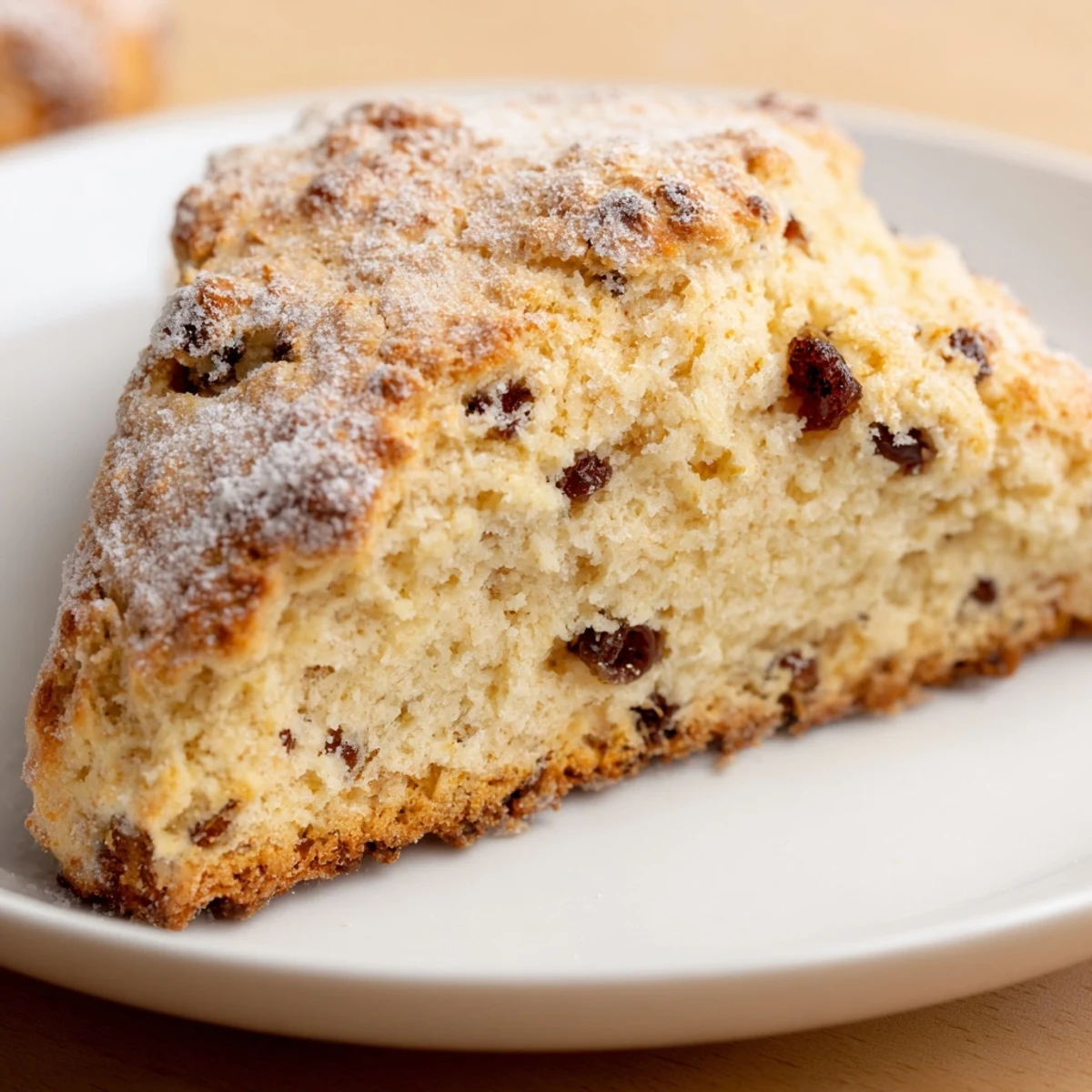
Save These Irish soda bread scones combine a crisp, golden crust with a soft and crumbly interior. Made using a blend of all-purpose and whole wheat flours, along with buttermilk and a hint of sweetness from sugar and optional currants, they offer a delightful texture perfect for morning or afternoon treats. The dough is gently mixed to ensure a tender crumb, then shaped and baked until golden. Enjoy them warm with butter, jam, or clotted cream for a comforting and wholesome experience.
The first time I made these scones, it was a rainy Sunday morning and I was craving something warm from the oven but refused to make yet another trip to the grocery store. I had buttermilk languishing in the fridge and currants tucked in the pantry, so I decided to merge my love for Irish soda bread with the scone format. My kitchen filled with that incredible baked wheat smell, and when I pulled them from the oven, the crust was crackling beautifully while the inside remained tender. Now they are my go to when I want comfort food without the fuss.
Last winter, my neighbor texted that she was having a terrible week and I showed up at her door with a basket of these warm scones, wrapped in a tea towel. We sat at her kitchen table and ate them with salted butter while the snow fell outside, and she told me it was exactly what she needed. Sometimes simple food is the most comforting thing you can offer someone who is struggling.
Ingredients
- All purpose flour: This creates the structure while keeping the texture light and tender, avoid using high protein bread flour here
- Whole wheat flour: Adds that characteristic soda bread flavor and slight nuttiness that balances the sweetness perfectly
- Granulated sugar: Just enough to hint at sweetness without crossing into dessert territory
- Baking soda and baking powder: Both leavening agents work together to give you that characteristic rise and the crumbly texture soda bread is known for
- Fine sea salt: Enhances all the flavors and balances the sweetness, use fine grain so it distributes evenly
- Currants or raisins: Traditional additions that provide little bursts of sweetness throughout each bite
- Buttermilk: Essential for both flavor and chemical reaction with baking soda, the acidity activates the leavening
- Egg: Adds richness and helps bind the dough while contributing to the golden color
- Unsalted butter: Melted and slightly cooled so it incorporates easily without scrambling the egg or seizing the buttermilk
Instructions
- Get your oven ready:
- Preheat to 400°F with a rack in the center position, and line a baking sheet with parchment paper so nothing sticks
- Mix the dry foundation:
- Whisk both flours, sugar, baking soda, baking powder, and salt in a large bowl until everything is evenly distributed, then fold in your dried fruit
- Combine the wet mixture:
- In a separate bowl, whisk the buttermilk, egg, and melted butter until the mixture is smooth and uniform
- Bring it together:
- Pour the wet ingredients into the dry and stir gently with a fork or spatula until just combined, the dough should look shaggy and rough
- Shape the scones:
- Turn the dough onto a lightly floured surface and pat it into a circle about one inch thick, then cut into eight wedges like a pie
- Bake to golden:
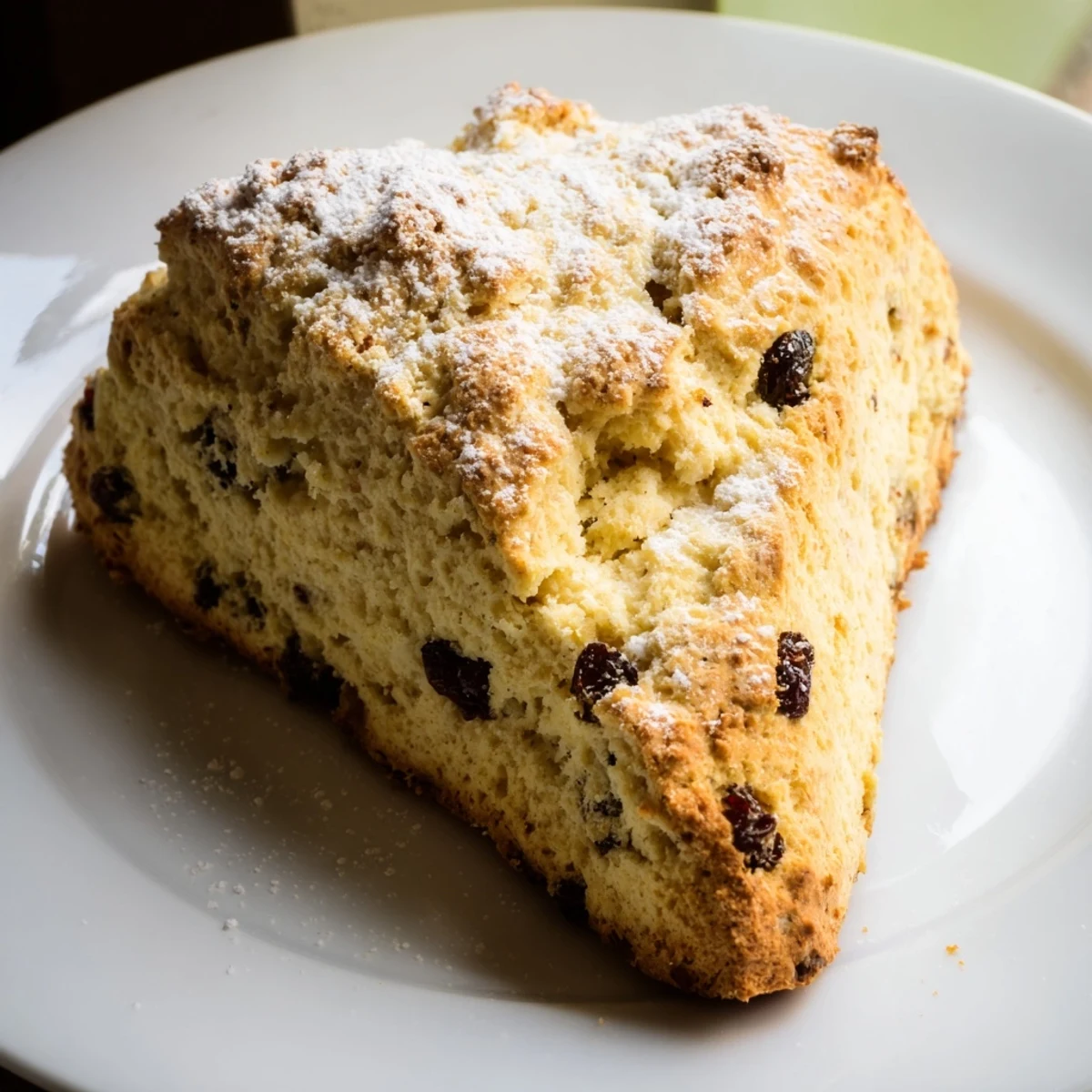
- Transfer wedges to your prepared baking sheet, optionally brush tops with extra buttermilk, and bake for 18 to 22 minutes until deeply golden
 Save
Save These have become my standard for bringing to new neighbors or for mornings when I want something special but do not have hours to spend in the kitchen. There is something deeply satisfying about transforming such humble ingredients into something that feels like a proper treat.
Making Them Your Own
Caraway seeds add that authentic Irish soda bread flavor and create a beautiful contrast with the sweet currants, but they are entirely optional if they are not to your taste. Sometimes I leave them plain and serve them with extra butter and a generous spoonful of jam.
Working With The Dough
The shaggy appearance of the dough is exactly what you want, so resist the urge to keep stirring or kneading until smooth. The pieces of butter that remain distributed throughout create flaky pockets as they bake, and minimal handling ensures the scones stay tender.
Serving Suggestions
These are best served warm from the oven, or you can refresh them in a 350°F oven for about 5 minutes before serving. Split them and serve with clotted cream, salted butter, or your favorite jam for an authentic experience.
- Wrap cooled scones tightly and freeze for up to one month, then thaw at room temperature
- Leftovers stay fresh for two days stored in an airtight container at room temperature
- For breakfast sandwiches, split and toast them under the broiler before adding fillings
 Save
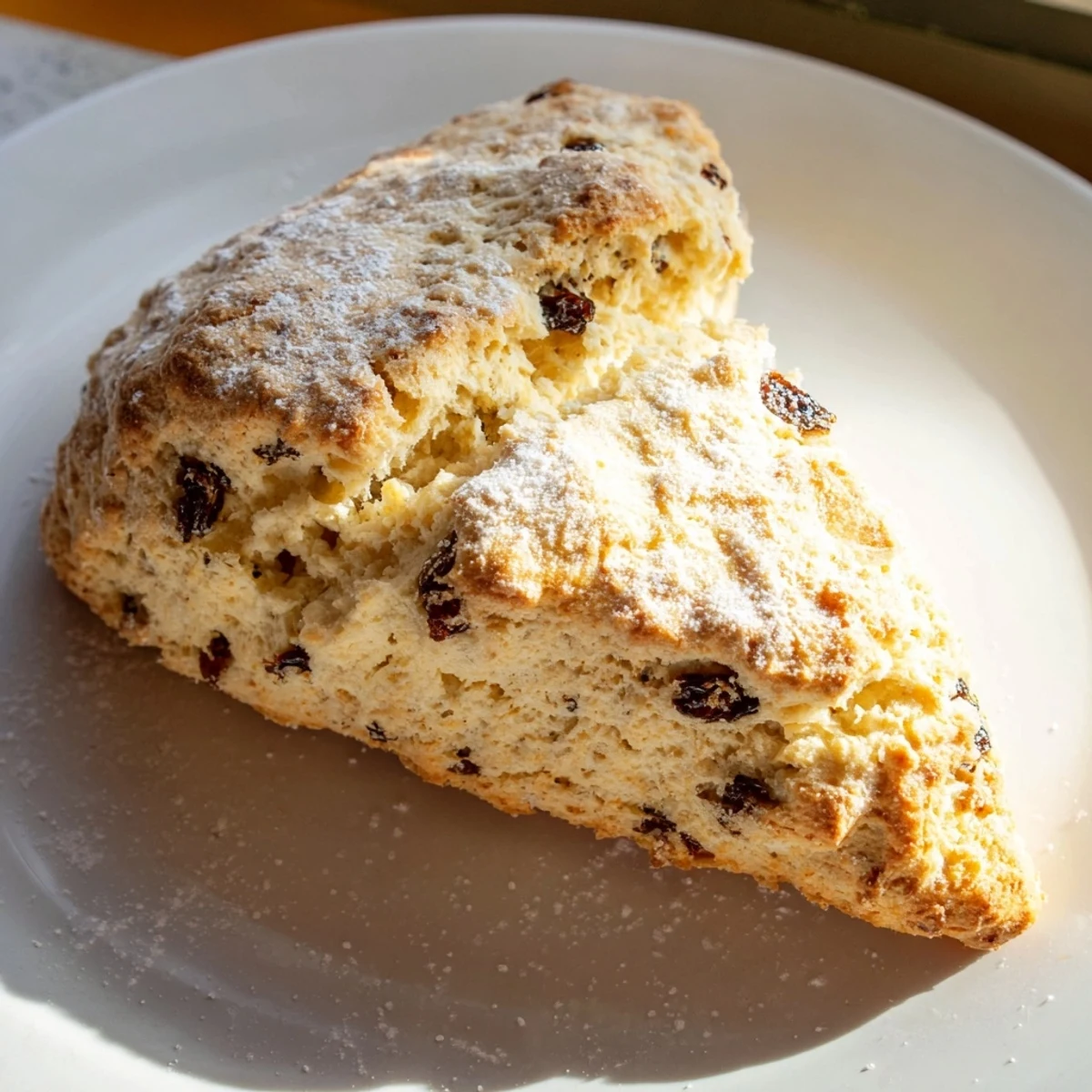
Save I hope these scones find their way into your regular rotation and bring you as much comfort as they have brought to my kitchen over the years. Sometimes the simplest recipes are the ones that stay with us the longest.
Recipe FAQs
- → What flours are used in these scones?
-
A combination of all-purpose and whole wheat flours creates a balanced texture with hearty and tender elements.
- → Can I add dried fruit to the scones?
-
Yes, currants or raisins can be incorporated for a touch of sweetness and added texture; dried cranberries or apricots are great alternatives.
- → How do I achieve a crisp crust on the scones?
-
Brushing the tops with buttermilk before baking helps develop a shiny, crisp crust while baking at a high temperature.
- → Is it important not to overmix the dough?
-
Yes, gentle mixing prevents toughness by keeping the dough shaggy and light, ensuring a soft crumb.
- → What can I serve with these scones?
-
They pair wonderfully with butter, jam, clotted cream, or honey to enhance their mild sweetness.
- → Can I add spices to the dough?
-
Adding caraway seeds is recommended for an extra layer of flavor complementing the traditional taste.