
 Save
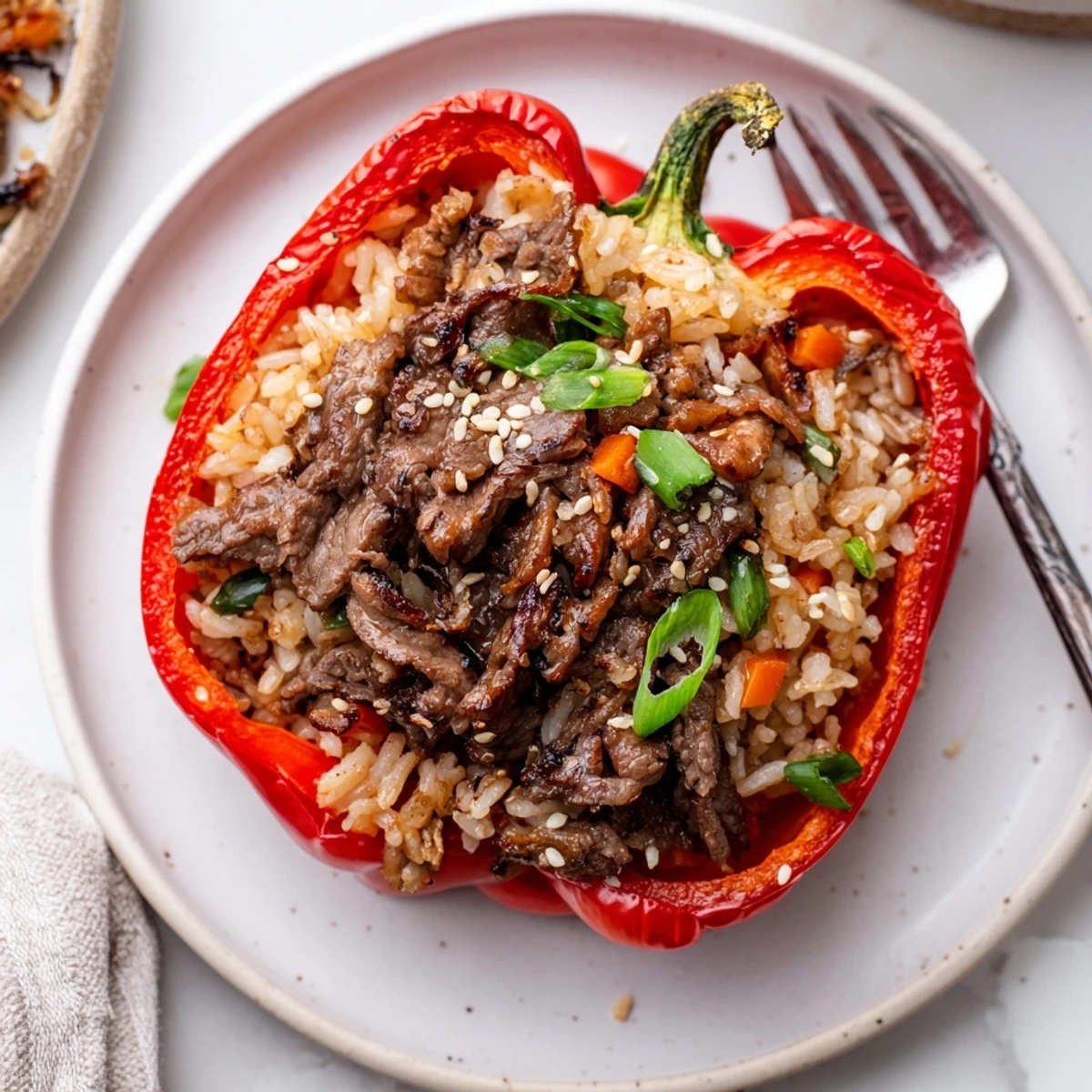
Save This vibrant Korean-inspired main layers thinly sliced bulgogi beef marinated with soy, brown sugar, grated pear, sesame, garlic and ginger alongside sautéed onion, carrot and spinach folded into jasmine rice. Spoon the mix into hollowed bell peppers, bake at 190°C until tender, then finish with scallions and toasted sesame for a savory, textural finish.
The sharp aroma of soy and sesame mingled in my kitchen the first time I tried melding Korean bulgogi with classic stuffed bell peppers. It was a brisk afternoon, and I craved something hearty yet unexpected, so I raided my fridge and let a hodgepodge fusion idea take root. As the peppers roasted sweetly in the oven, I caught myself humming—excited for dinner in a way I hadn’t been all week. This dish is my way of shaking up a routine night with color, crunch, and savory depth.
I still remember serving these peppers to a friend who'd never dared try Korean flavors before; watching her face light up after the first bite was pure joy. We ended up chatting about recipe swaps long past dinner, both surprised at just how quickly the peppers had disappeared from our plates. That moment taught me that sometimes, the best meals are the least expected mixes of traditions. And the leftovers (if there are any) are just as tasty for lunch the next day.
Ingredients
- Beef sirloin or ribeye: Thinly slicing this cut is key—I've found freezing it for 15 minutes makes cutting a breeze.
- Soy sauce (or tamari): The deep umami is essential—swap for tamari if you need to keep things gluten-free.
- Brown sugar: Just a little lends a gorgeous caramel sweetness that balances the savory notes.
- Pear or apple, grated: Classic in bulgogi—you’d be amazed how the fruit tenderizes the beef.
- Sesame oil: Nutty aroma and flavor that’s unmistakable; just a dash goes a long way.
- Garlic & ginger: Minced fresh for punchy warmth.
- Scallions: I use both for the marinade and for a pop of color as garnish.
- Black pepper: Don’t skip it, the fragrant heat is subtle but necessary.
- Toasted sesame seeds: I toast mine in a pan for 1–2 minutes till fragrant—it makes all the difference.
- Bell peppers: Red, yellow, or green—whatever looks freshest—just make sure they're large and sturdy.
- Cooked white rice: Chilled leftover rice separates nicely in the skillet, but fresh works too if that's what you have.
- Vegetable oil: Keeps the rice from sticking, and has a neutral flavor.
- Carrot & onion: Diced fine—they build out the base for the filling and add a bit of crunch.
- Baby spinach: Wilts down quickly, sneaking in extra greens for texture and nutrition.
Instructions
- Get the oven ready:
- Preheat to 190°C (375°F); you'll smell the warmth as the kitchen fills with anticipation.
- Marinate the beef:
- Swirl thin beef slices in soy, brown sugar, grated fruit, sesame oil, garlic, ginger, chopped scallions, black pepper, and sesame seeds—let it sit until the pieces glisten and soak up all that goodness (15 minutes minimum makes a difference).
- Sear the bulgogi:
- With the sizzle of hot oil in your skillet, caramelize the beef for 3-4 minutes until vibrantly browned; it should smell irresistibly sweet and savory.
- Sauté the veggies:
- Toss onion and carrot into the same pan, scraping up any meaty bits, and cook until tender before folding in spinach for a just-wilted green accent.
- Mix in the rice:
- Scatter rice into the vegetables and drizzle over a touch more soy sauce and sesame oil; stir until everything is evenly tinted and glossy.
- Combine filling & stuff peppers:
- Gently blend the cooked bulgogi into your rice-veggie mix—every spoonful should smell like memory and anticipation—then pack each prepared pepper just to the brim.
- Bake:
- Nestle the stuffed peppers upright in your baking dish, tuck them in with foil, and bake 25 minutes—then uncover for 10 more, so the pepper edges blister and the tops turn golden.
- Garnish and serve:
- Shower with more scallions and sesame seeds, and bring to the table while still piping hot—the colors alone might stop conversation.
 Save
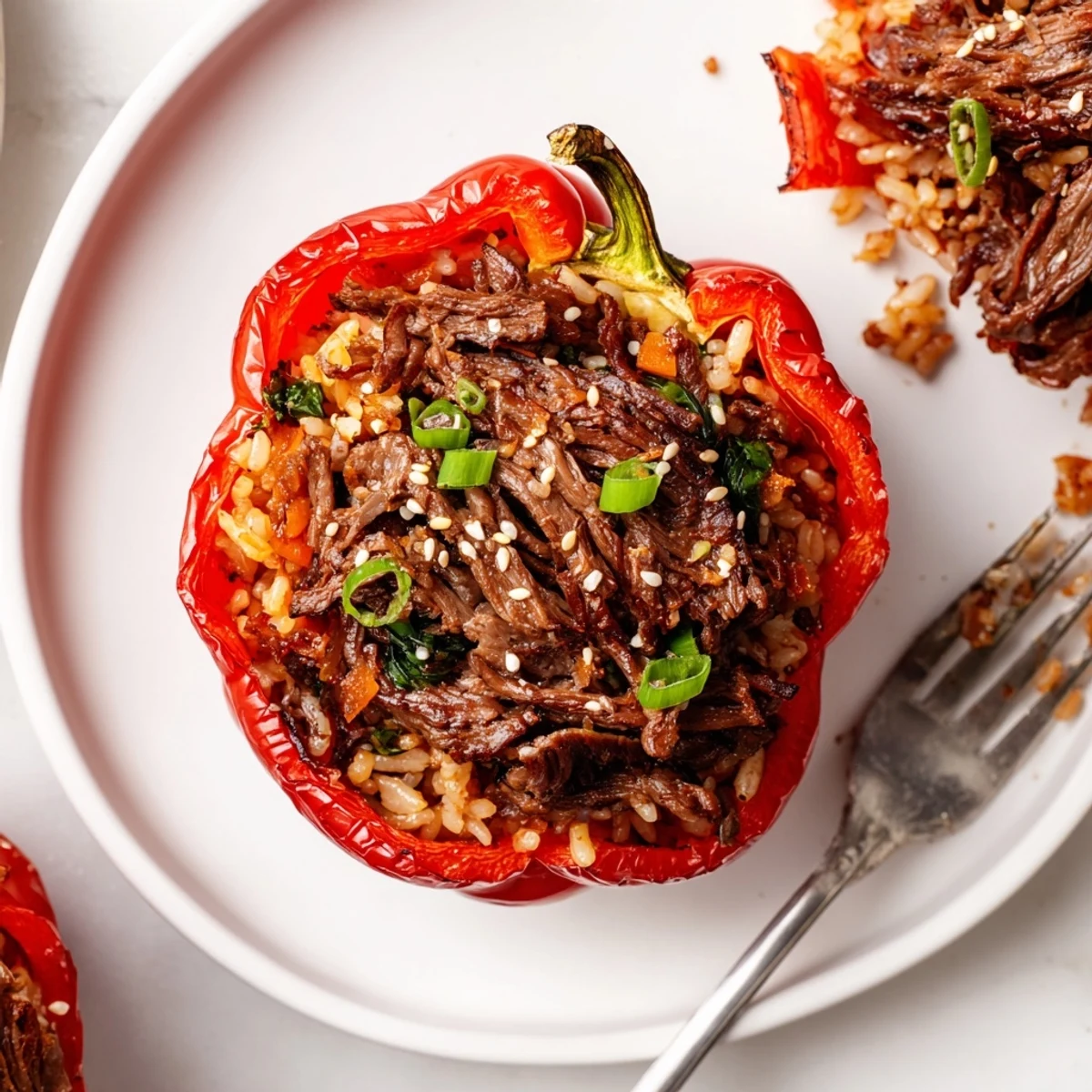
Save One rainy evening, my little cousin wandered into the kitchen lured by the toasted sesame smell, and decided she’d help. We giggled as she tried (and failed) to fill a pepper without spilling rice on the floor, but claimed victory when we both agreed the crunchy bits at the bottom of the pan were the best part. Somehow, the dish turned a gloomy day into a cozy celebration of small successes. Now, I never make these without a side of laughter and stories at the counter.
Choosing Your Bell Peppers
Over time, I've learned that red and yellow bell peppers tend to be sweeter and roast up more tender—perfect if you're trying to win over picky eaters. If you’re after a bit more bite, green peppers have that characteristic edge. No matter the color, I look for ones with even bottoms so they won’t topple in the oven.
All About that Bulgogi Marinade
Making bulgogi at home means you can tweak the marinade to match your mood—sometimes I add a splash of rice vinegar or a dab of gochujang for heat. Grated pear or apple isn’t optional here; it’s the secret to that signature tenderness and subtle sweetness the dish is known for. It’s always worth making a little extra since leftovers are fantastic tossed with noodles or wrapped in lettuce later on.
Tips for Rice and Assembly
Using leftover rice is my go-to because it soaks up the bulgogi juices and holds together inside the pepper perfectly. On busy nights, I’ve assembled everything in the morning and baked when I got home—no drop in flavor at all. Don’t worry if your filling is slightly over the pepper’s edge—those caramelized bits make for the best bites.
- A pastry brush helps oil the peppers for an even roast.
- If you have extra filling, bake it alongside the peppers in a small dish.
- Let peppers rest a few minutes before slicing in, for less mess and perfect layers.
 Save
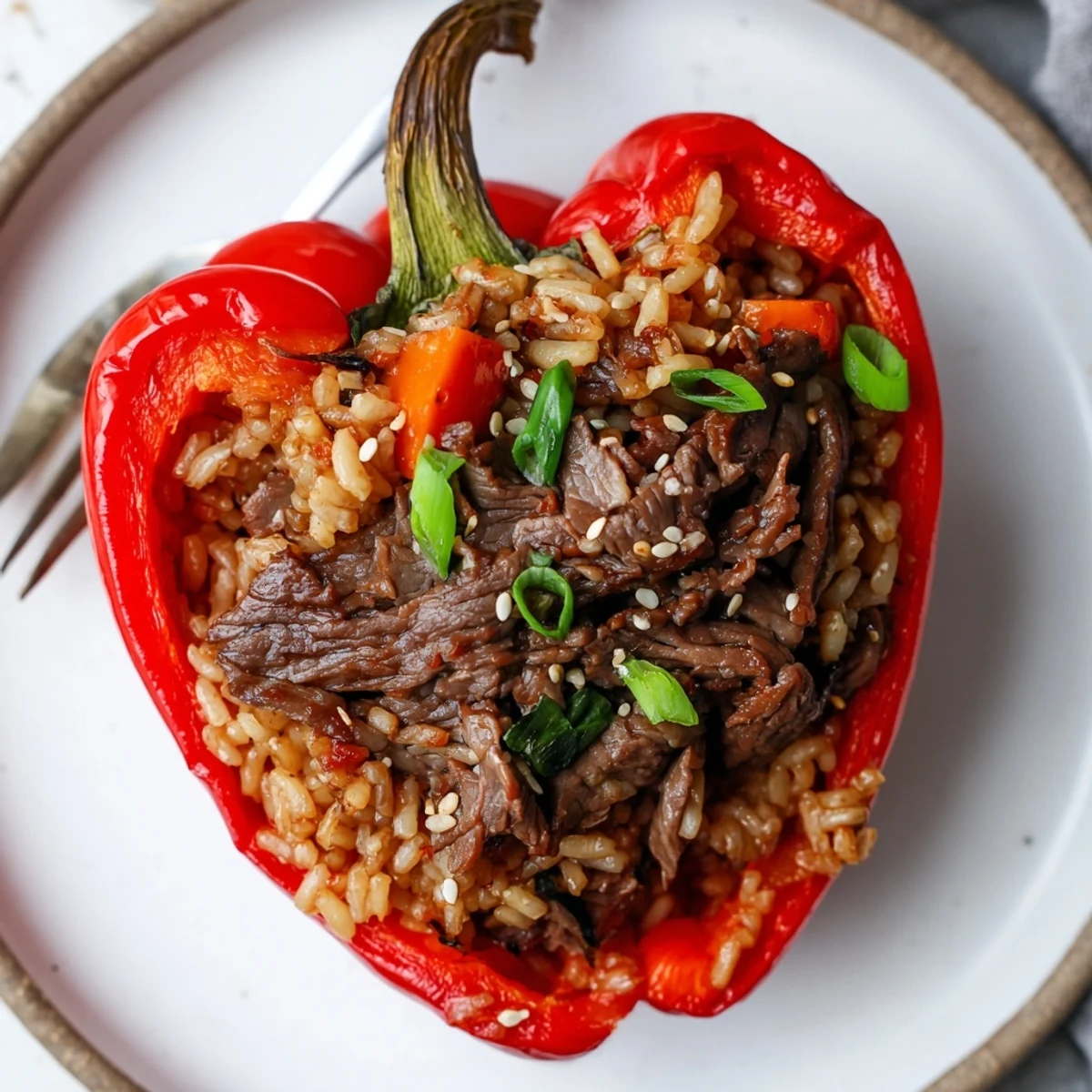
Save If you try these bulgogi-stuffed peppers, I hope they bring as much joy and color to your table as they have to mine. Here’s to kitchen experiments, happy accidents, and the delicious results of both.
Recipe FAQs
- → How can I make this dish gluten-free?
-
Swap regular soy sauce for tamari or a certified gluten-free soy alternative and check all labels for hidden gluten. Use naturally gluten-free rice and ensure any added condiments are labeled gluten-free.
- → What cut of beef works best for bulgogi?
-
Thinly sliced sirloin or ribeye gives a tender, flavorful result. Flank or skirt steak also work if sliced very thin against the grain. Quick marination and high-heat searing preserve tenderness.
- → How do I increase or reduce spice?
-
For heat, add 1 tsp gochujang or a pinch of Korean chili flakes to the marinade. To tone it down, omit gochujang and reduce any chili components; the pear and brown sugar help balance spice with sweetness.
- → What are good vegetarian substitutes?
-
Firm tofu, sliced king oyster or shiitake mushrooms make excellent swaps. Press and cube tofu or sauté mushrooms until caramelized, then toss with the same marinade flavors and combine with the rice filling.
- → Can I prepare these ahead of time and how should I reheat leftovers?
-
Assemble peppers and refrigerate for up to a day before baking. Reheat covered in a 170–180°C oven until warmed through to preserve texture, or microwave individual servings for a quick option, then finish under the broiler for a minute if desired.
- → Which rice is best for stuffing the peppers?
-
Short-grain or jasmine rice works best; slightly drier, day-old rice helps prevent a mushy filling. If using freshly cooked rice, let it cool a bit so it mixes easily with the other ingredients.