
 Save
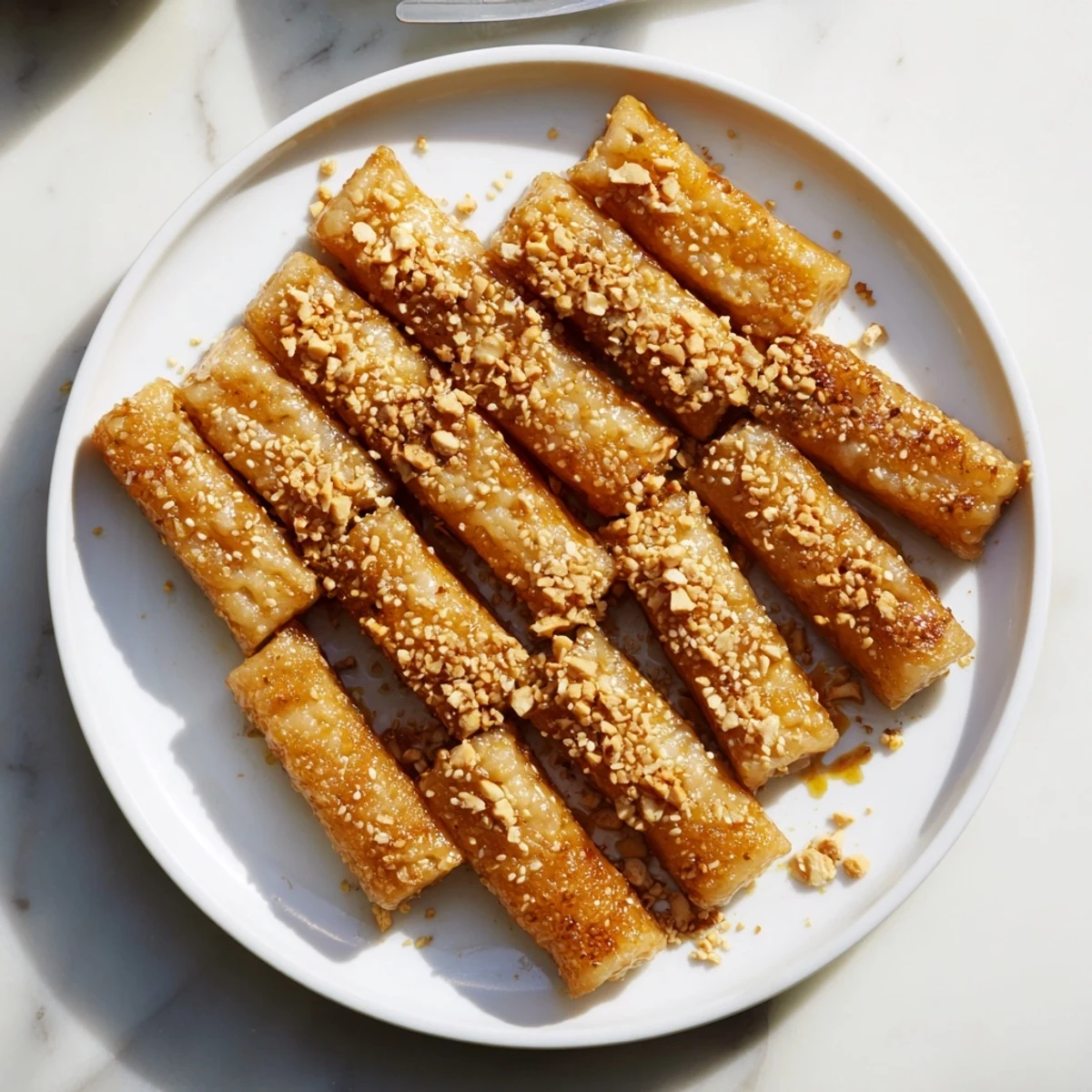
Save These Korean rice cakes achieve the perfect contrast between crispy golden exteriors and chewy tender interiors. The sweet butter glaze combines honey, brown sugar, and soy sauce for a balance of caramelized sweetness and subtle savory depth.
The dish comes together quickly—pan-fry the tteok until golden, then coat them in the bubbling glaze until glossy and sticky. Sesame seeds add nuttiness while optional roasted peanuts provide extra crunch.
Best served warm when the coating is at its most luscious. The glaze can be customized with maple syrup for vegan versions or a pinch of cinnamon for warm spice notes.
I stumbled onto this recipe during a rainy Sunday afternoon when I was craving something sweet but substantial. The rice cakes had been sitting in my freezer for weeks, a souvenir from an Asian market trip I'd almost forgotten about. When that buttery honey glaze started bubbling in the pan, the whole kitchen filled with this incredible toffee aroma that made me abandon all other plans. Sometimes the best discoveries happen when you work with what you have.
My roommate walked in while I was tossing the rice cakes in the glaze and immediately asked what restaurant Id ordered from. When I told her Id made it with frozen rice cakes and pantry staples, she refused to believe me until I showed her the empty pan. We ended up eating the entire batch standing at the counter, burning our fingers just slightly because neither of us wanted to wait for them to cool down properly.
Ingredients
- 400 g Korean cylinder-style rice cakes: Fresh or thawed frozen varieties both work beautifully here, just make sure they're pliable before cooking
- 1 tablespoon neutral oil: Canola or vegetable oil creates the perfect crispy foundation without competing with the glaze flavors
- 3 tablespoons unsalted butter: Using unsalted lets you control exactly how salty the final glaze becomes
- 3 tablespoons honey or maple syrup: Honey gives a classic floral sweetness while maple syrup adds lovely depth and makes it vegan
- 2 tablespoons brown sugar: The molasses in brown sugar creates those gorgeous caramel notes we're chasing
- 1 tablespoon soy sauce: This is the secret ingredient that balances all the sugar and makes the glaze taste sophisticated
- Pinch of salt: Just enough to make the other flavors pop without making it taste savory
- 2 teaspoons toasted sesame seeds: Toast them right before using for maximum nutty fragrance
- 1 tablespoon chopped roasted peanuts: Totally optional but adds the most satisfying crunch against the chewy rice cakes
Instructions
- Prepare the rice cakes:
- If your rice cakes are refrigerated or frozen, soak them in warm water for 10 to 15 minutes until they've softened and feel pliable to the touch. Drain them well and pat them completely dry with paper towels because any water will make the oil spatter violently.
- Prep your pieces:
- Slice the rice cakes into 2-inch pieces if they didnt come pre-cut, trying to keep them relatively uniform in size so they cook at the same rate.
- Get your pan hot:
- Heat the oil in a large nonstick skillet over medium heat until it shimmers slightly when you tilt the pan.
- Create the golden crust:
- Add the rice cakes in a single layer without crowding the pan too much. Pan fry them for about 5 to 7 minutes, turning them occasionally with tongs, until they're golden and crispy on multiple sides.
- Start the glaze magic:
- Push all the rice cakes to one side of the pan and drop the butter into the empty space. Let it melt completely and bubble for about 30 seconds until it smells nutty and fragrant.
- Build the sauce:
- Pour in the honey, brown sugar, soy sauce, and salt right into the melted butter. Stir everything together until the mixture bubbles vigorously and thickens slightly, which should take 1 to 2 minutes.
- Coat everything:
- Toss the rice cakes into the glaze, turning them gently so every piece gets thoroughly coated in that shiny mixture. Let them cook together for another 1 to 2 minutes until the rice cakes look glossy and the glaze sticks to them beautifully.
- Finish and serve:
- Transfer everything to a serving plate immediately while still hot. Sprinkle the toasted sesame seeds and chopped peanuts on top and serve them warm because the texture is perfection right out of the pan.
 Save
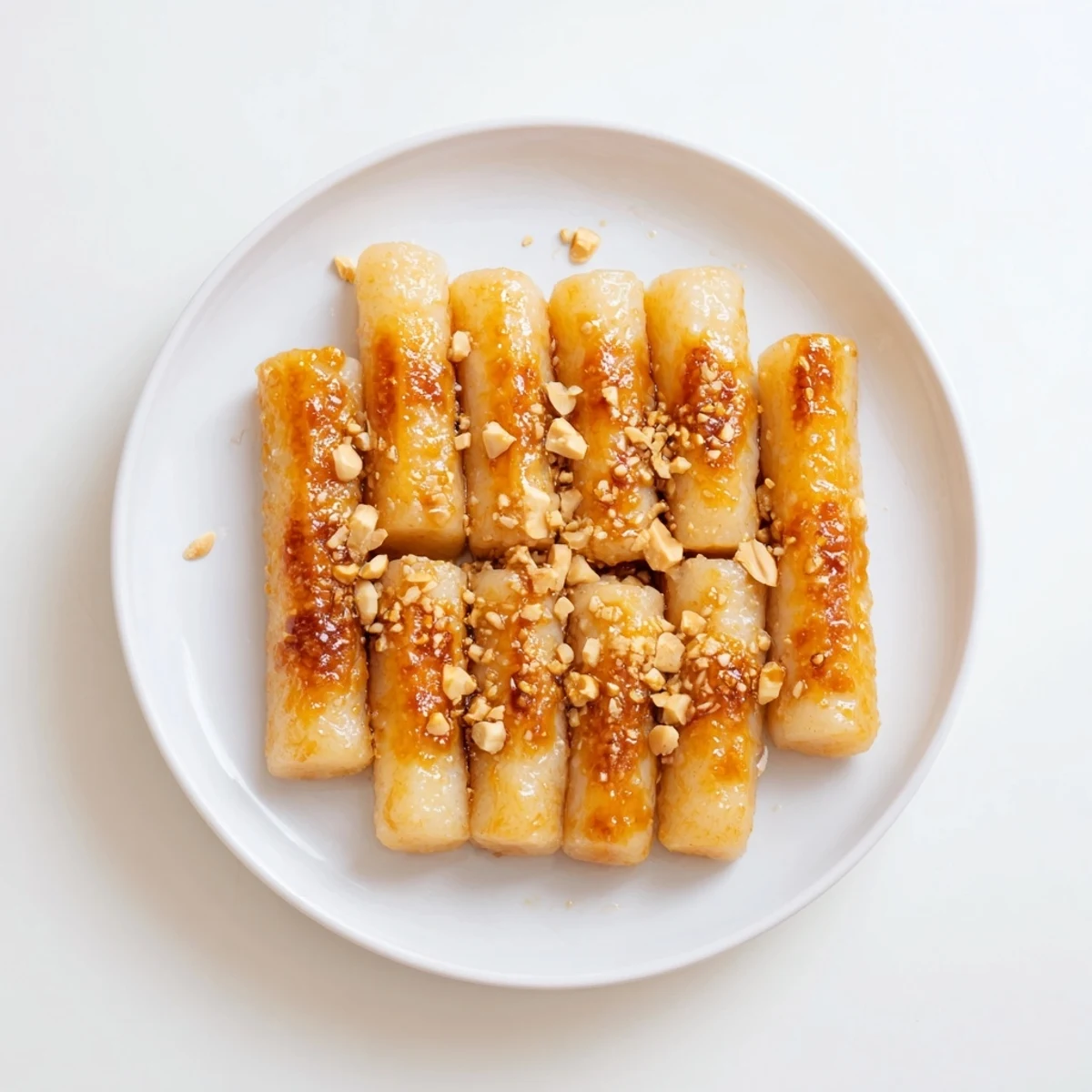
Save This recipe has become my go-to when friends drop by unexpectedly because it feels impressive but requires zero advance planning. Last month I made it for my Korean grandmother who was skeptical about the sweet glaze but ended up asking for the recipe before she even finished her first piece. There's something universally comforting about warm chewy rice cakes coated in buttery sweetness that transcends cultural boundaries.
Making It Your Own
Once you've mastered the basic technique, try adding a pinch of cinnamon to the glaze for warmth that's perfect for fall. Sometimes I toss in some crushed pine nuts instead of peanuts, or add a drop of sesame oil to the glaze for extra nuttiness. The beauty of this recipe is how forgiving it is while still delivering restaurant quality results every single time.
Perfect Rice Cake Selection
Look for cylindrical garaetteok at Asian markets, avoiding any that look cracked or dried out. Fresh rice cakes should feel slightly soft and yielding, almost like firm mochi. If you can only find frozen ones, that's perfectly fine, just give them that warm water soak and they'll perform beautifully. The thicker your rice cakes, the longer they'll take to soften all the way through.
Timing Is Everything
The window between perfectly glazed and burned is smaller than you'd expect, so have your serving plate ready before you even start the glaze. I learned this the hard way when my first batch stuck to the pan because I was trying to find a clean plate. Everything moves fast once that sugar hits the hot butter, so prepare your station before you turn on the stove.
- Set out your serving plate and garnishes before you begin cooking
- Keep a small bowl of water nearby to test the glaze consistency
- Work in batches if your pan is crowded rather than overcrowding and ending up with soggy rice cakes
 Save
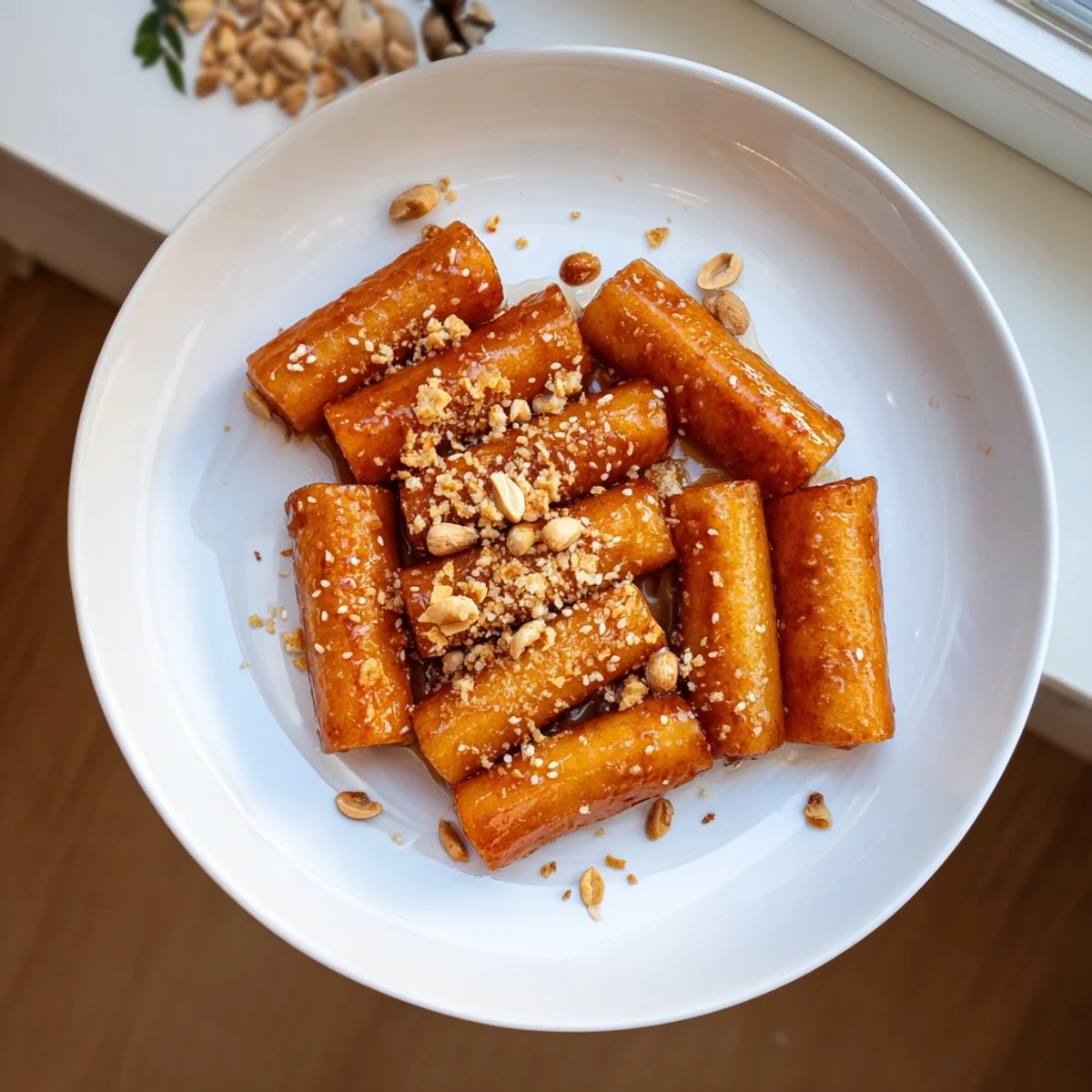
Save I hope this recipe finds its way into your regular rotation alongside your other favorite comfort foods. There's something deeply satisfying about transforming simple ingredients into something that feels like a special treat.
Recipe FAQs
- → What type of rice cakes work best?
-
Korean cylinder-style rice cakes (tteok or garaetteok) are ideal. Look for fresh or frozen varieties at Asian markets. Thaw frozen ones and soak in warm water before cooking for optimal texture.
- → Can I make the glaze vegan?
-
Absolutely. Substitute maple syrup for honey and use plant-based butter instead of dairy butter. The glaze will still achieve that glossy, sticky coating with caramelized sweetness.
- → How do I store leftovers?
-
These are best enjoyed fresh, as the glaze softens over time. If needed, store in an airtight container at room temperature for up to 1 day. Reheat in a skillet over low heat to restore the crispy-chewy texture.
- → Why soak the rice cakes first?
-
Soaking softens refrigerated or frozen rice cakes, ensuring even cooking and preventing them from becoming too tough or dry. Fresh rice cakes may only need a quick rinse and pat dry.
- → Can I adjust the sweetness?
-
Certainly. Reduce honey or brown sugar for a less sweet glaze, or increase for a more dessert-like finish. The soy sauce provides balance, so taste and adjust to your preference.
- → What if I don't have a nonstick skillet?
-
A well-seasoned cast iron or stainless steel pan works too. Use slightly more oil to prevent sticking, and monitor heat closely to avoid burning the glaze. Cast iron provides excellent browning.