
 Save
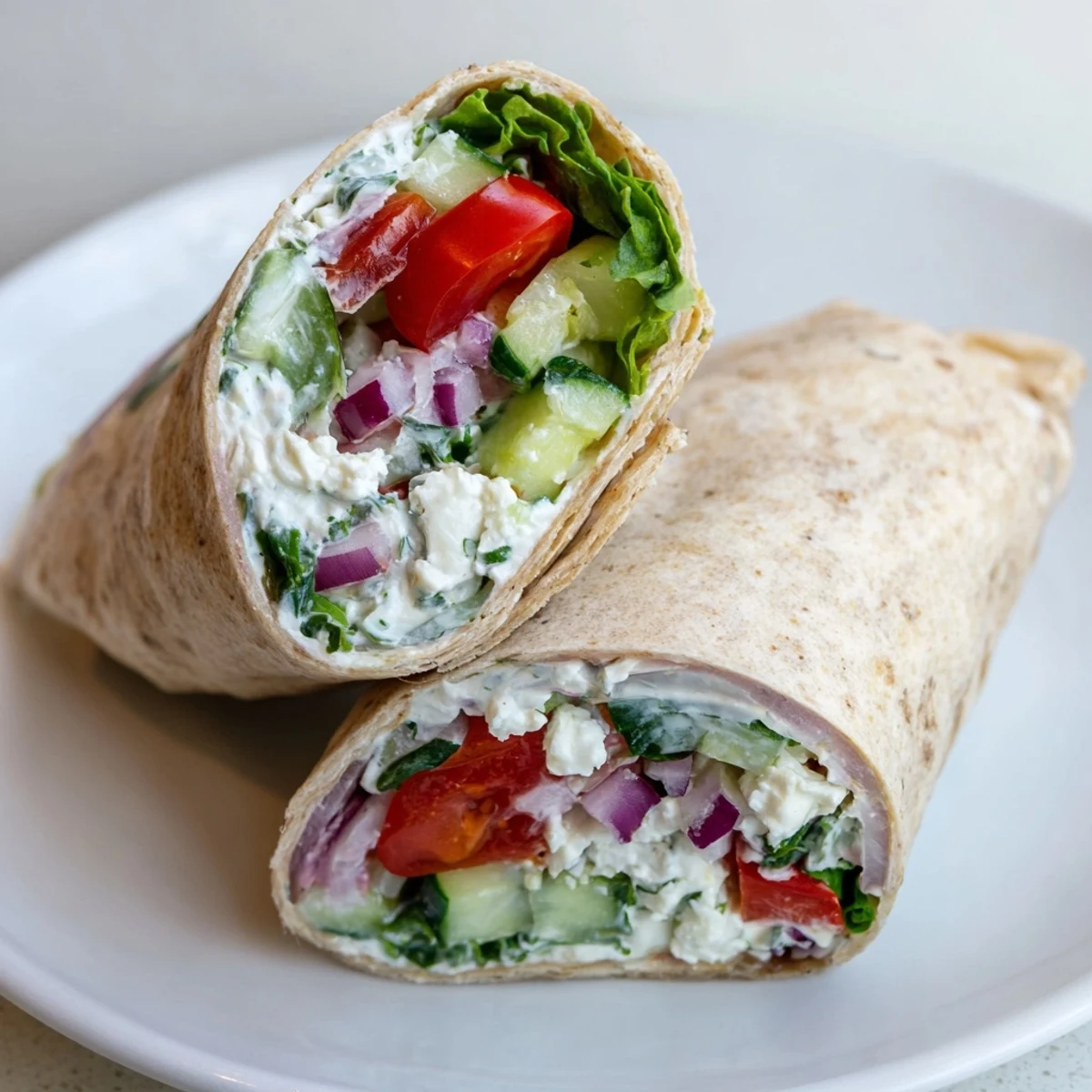
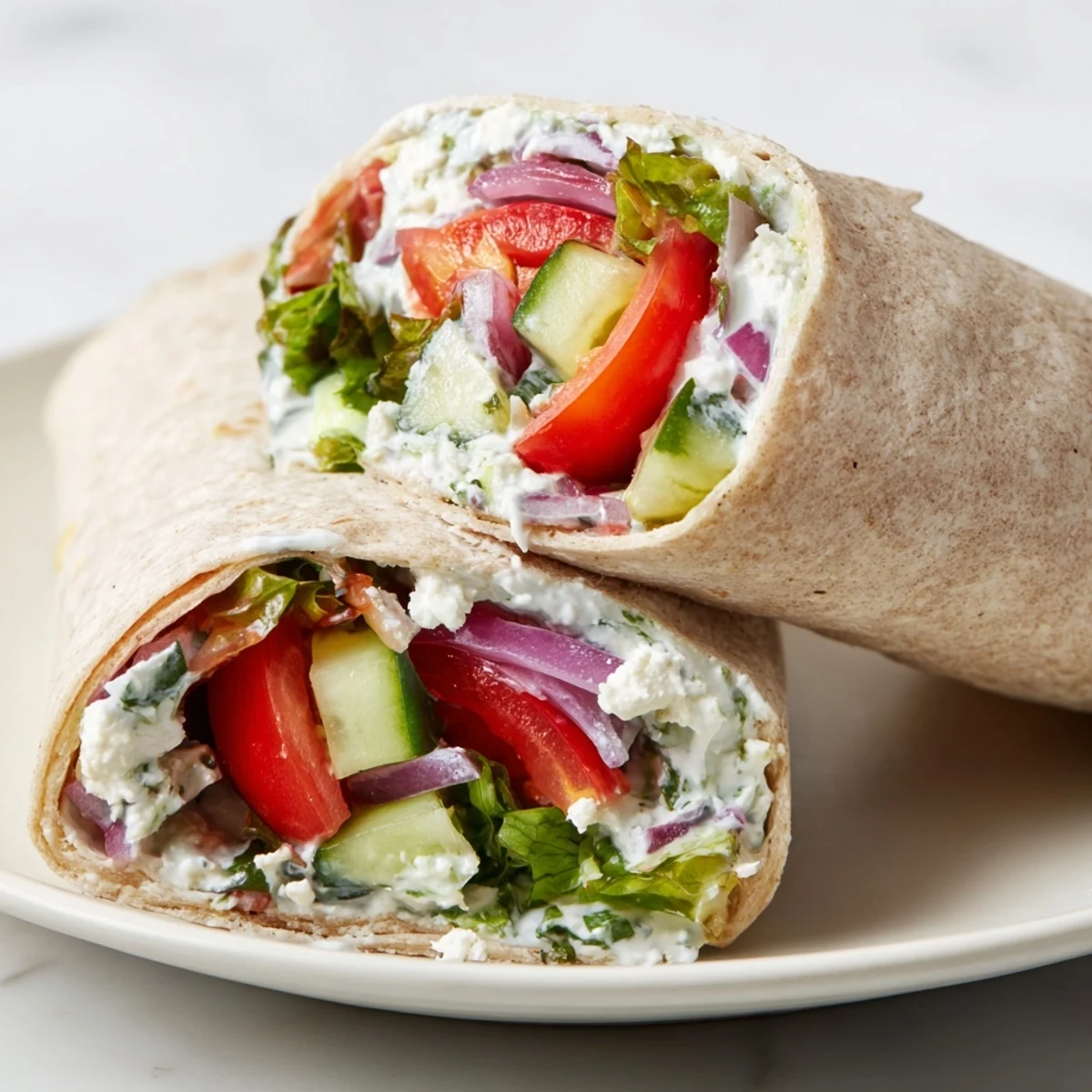
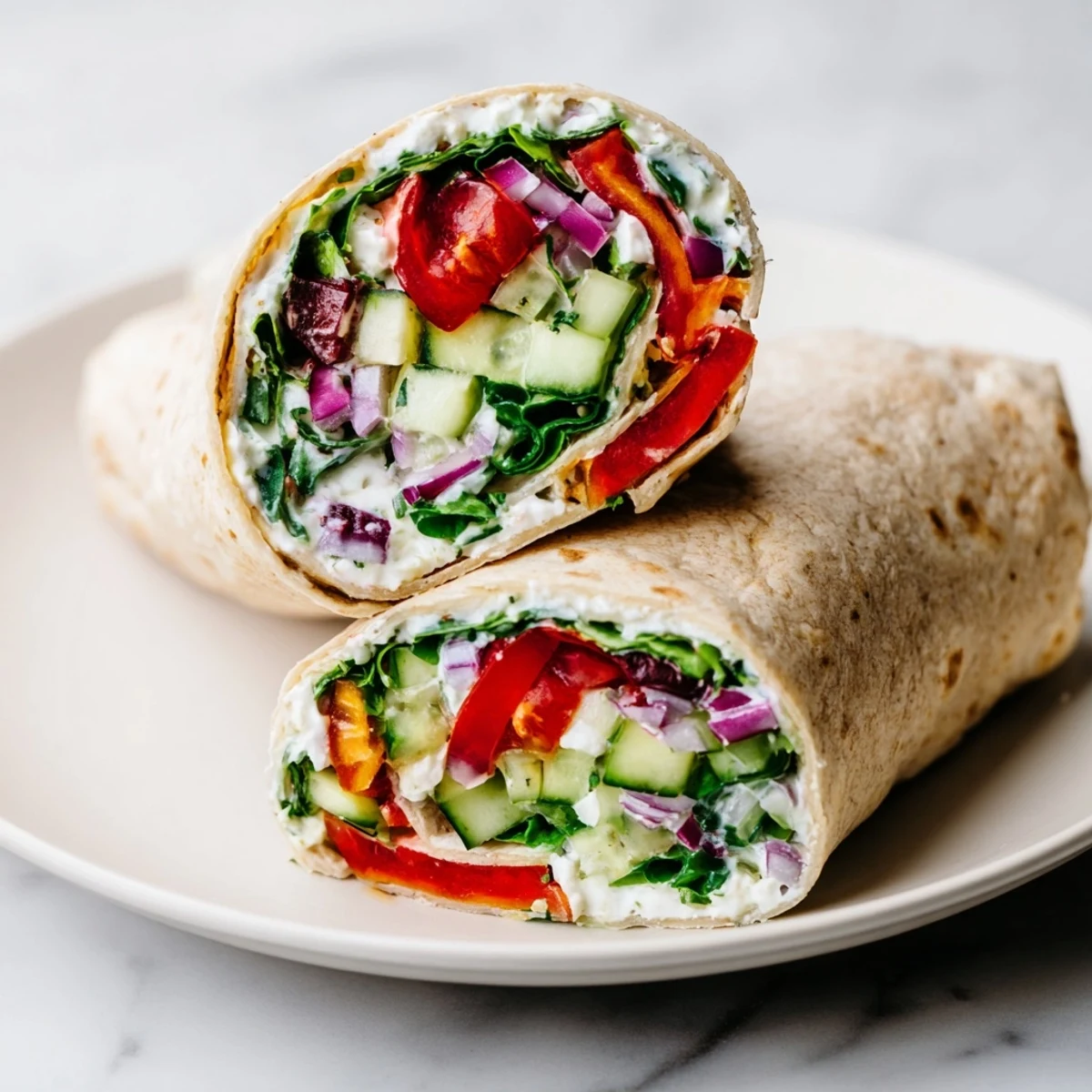
Save This Mediterranean wrap combines fresh cherry tomatoes, cucumber, red bell pepper, and mixed greens with crumbled feta cheese. A zesty sauce made from Greek yogurt, olive oil, lemon, garlic, and oregano ties it all together for a flavorful and wholesome meal. The dish is easy to prepare and requires no cooking, making it perfect for a quick lunch or light dinner. Wrapped in whole wheat tortillas, it balances freshness and tang in every bite.
There's something about the smell of fresh lemon and oregano hitting a wooden cutting board that instantly transports me to a sun-drenched afternoon in Athens, even if I'm standing in my own kitchen on a Tuesday. I discovered this wrap years ago not from a cookbook but from necessity—I had a fridge full of vegetables that were about to turn, Greek yogurt that needed using, and exactly four tortillas left. What started as improvisation became my go-to lunch whenever I want something that feels both nourishing and celebratory.
I made this for my sister's book club potluck one spring, and everyone asked for the recipe thinking I'd spent hours in the kitchen—I didn't tell them it took me less time than I usually spend scrolling through my phone. She still teases me about it being my "fancy Mediterranean moment," even though honestly, it's just good vegetables and the confidence that comes from a really good sauce.
Ingredients
- Cherry tomatoes (1 cup, halved): They burst with sweetness when you bite into them, and halving them means they distribute evenly throughout each wrap instead of rolling around like little red marbles.
- Cucumber (1 cup, diced): Choose one that feels firm and heavy for its size—watery cucumbers will make your wrap soggy, so if it feels lightweight or bendy, swap it out.
- Red bell pepper (1/2 cup, thinly sliced): The sweetness balances everything else, and the color makes the wrap feel intentional rather than thrown together.
- Red onion (1/2 cup, thinly sliced): Slice it thin enough that you don't get those aggressive onion chunks that overwhelm the bite; it should complement, not dominate.
- Mixed greens (1 cup, arugula, spinach, or lettuce): Arugula gives you a peppery kick, spinach is earthy, lettuce is neutral—pick whatever feels right for your mood.
- Feta cheese (1/2 cup, crumbled): The saltiness is what ties everything together, so don't skip it or swap it out unless you're going vegan—that crumble matters.
- Greek yogurt (1/2 cup): Full-fat is better than nonfat here because it coats your mouth in this creamy, rich way that makes the whole wrap feel more luxurious.
- Extra virgin olive oil (1 tablespoon): This is what gives the sauce its silky texture, so use the good stuff—the cheaper oils taste thin by comparison.
- Lemon juice (1 tablespoon): Fresh is absolutely non-negotiable; bottled lemon juice tastes hollow next to what fresh citrus brings to this sauce.
- Garlic clove (1, minced): One clove is enough—more than that and the sauce becomes a vampire repellent instead of something you want to eat.
- Dried oregano (1/2 teaspoon): This is the flavor note that says Mediterranean, so measure it carefully and don't skimp.
- Salt and black pepper (to taste): Taste as you go because the feta is already salty, and you don't want to end up with something that makes you reach for water.
- Whole wheat tortillas or flatbreads (4 large): The larger they are, the easier they are to roll without tearing, and whole wheat adds a slight nuttiness that white flour just can't match.
Instructions
- Make the sauce first:
- Combine the Greek yogurt, olive oil, lemon juice, minced garlic, oregano, salt, and pepper in a small bowl. The sauce should taste bright and a little salty—this is where all the flavor comes from, so taste it and adjust if it tastes flat or one-note.
- Prepare your vegetables:
- Combine the tomatoes, cucumber, bell pepper, red onion, and greens in a large bowl and toss them gently. This is the moment to taste a piece of cucumber or a tomato to make sure they're good quality—if they taste watery or bland, it's not going to get better once they're rolled up.
- Lay out your wraps:
- Spread all four tortillas or flatbreads on a clean surface or cutting board in front of you. If they feel dry or crackly, you can warm them very gently in a skillet for just a few seconds to make them more pliable and less likely to tear.
- Sauce each wrap generously:
- Spoon about 2 tablespoons of the yogurt sauce onto each tortilla, spreading it gently with the back of the spoon toward the center. Leave a small border around the edges so the sauce doesn't squeeze out when you roll.
- Fill with vegetables:
- Divide the vegetable mixture evenly among the four wraps, piling it in the center without overstuffing. The secret here is to not be greedy—too many vegetables and your wrap becomes impossible to roll and even more impossible to eat without it falling apart.
- Add the feta:
- Sprinkle the crumbled feta over the vegetables on each wrap. The feta should be visible between the veggies, adding little pockets of salty, tangy richness.
- Roll it up:
- Starting from one end, roll the tortilla tightly toward you, folding in the sides as you go to create a secure seal. Picture wrapping a burrito—the motion should feel deliberate and firm but not so aggressive that you tear the tortilla.
- Slice and serve:
- Cut each wrap in half diagonally with a sharp knife. The diagonal cut makes it look intentional and gives you two nice-sized pieces to hold.
 Save
Save My friend Marcus came home exhausted from back-to-back meetings one afternoon, and I had these wraps waiting in the fridge with the sauce in a separate container. Watching him eat one while finally relaxing on the couch reminded me that sometimes the most valuable recipe is the one that says, "I'm thinking of you and I want you to feel good."
Making This Wrap Your Own
The beauty of this wrap is that it's endlessly flexible without ever losing its identity. I've added sliced Kalamata olives for a briny edge, roasted chickpeas for protein and crunch, thin slices of avocado for creaminess, and even a small handful of fresh mint or dill when I'm feeling adventurous. The yogurt sauce is stable enough to handle add-ins—just taste as you go so nothing overpowers the foundation you've built.
Timing and Prep Strategy
If you're making these for a lunch box or travel, keep the sauce in a small container and pack the filled wraps separately, or better yet, assemble them fresh when you're ready to eat. The vegetables can be chopped hours ahead and stored in airtight containers, but anything with moisture in it—like tomatoes—will start to weep and make the wrap damp if left sitting together too long. I usually prep everything the night before and then spend five minutes the next morning rolling them up while my coffee brews.
The Yogurt Sauce Is Everything
This sauce is so good that I've started making double batches and keeping it in the fridge for other things—it's incredible spooned over roasted vegetables, served as a dip for pita chips, or drizzled over a grain bowl. The combination of garlic, lemon, and oregano is a classic Mediterranean trio that works across so many dishes, and the yogurt keeps it light and tangy instead of heavy.
- If you like heat, add a pinch of red pepper flakes or a dash of hot sauce to the sauce—it won't hurt, it will help.
- For a dairy-free version, use coconut yogurt or a thick plant-based yogurt alternative and increase the lemon juice slightly to maintain that brightness.
- Make extra sauce even if you think you won't need it, because you will.
 Save
Save This wrap has become my answer to so many different moments: quick lunch, easy dinner when I'm tired, something to bring to a potluck, or even just a reason to sit outside and eat something that tastes bright and intentional. That's the real magic of it.
Recipe FAQs
- → What vegetables are best for a Mediterranean wrap?
-
Fresh cherry tomatoes, cucumber, red bell pepper, red onion, and mixed greens like arugula or spinach provide vibrant flavors and textures suited for this wrap.
- → How is the yogurt sauce prepared?
-
Mix Greek yogurt with olive oil, lemon juice, minced garlic, dried oregano, salt, and pepper to create a tangy, creamy sauce that complements the vegetables.
- → Can this wrap be made vegan?
-
Yes, substitute the feta cheese with vegan cheese alternatives and use plant-based yogurt in the sauce for a dairy-free version.
- → What type of bread works well for wrapping?
-
Large whole wheat tortillas or flatbreads provide flexibility and a hearty base to fold around the fillings snugly.
- → Are there any suggested additions for extra flavor?
-
Adding sliced Kalamata olives or roasted chickpeas can enhance flavor and protein content.
- → Is this wrap suitable for gluten-free diets?
-
Use certified gluten-free wraps or tortillas to adapt this dish for gluten-free dietary needs.