
 Save
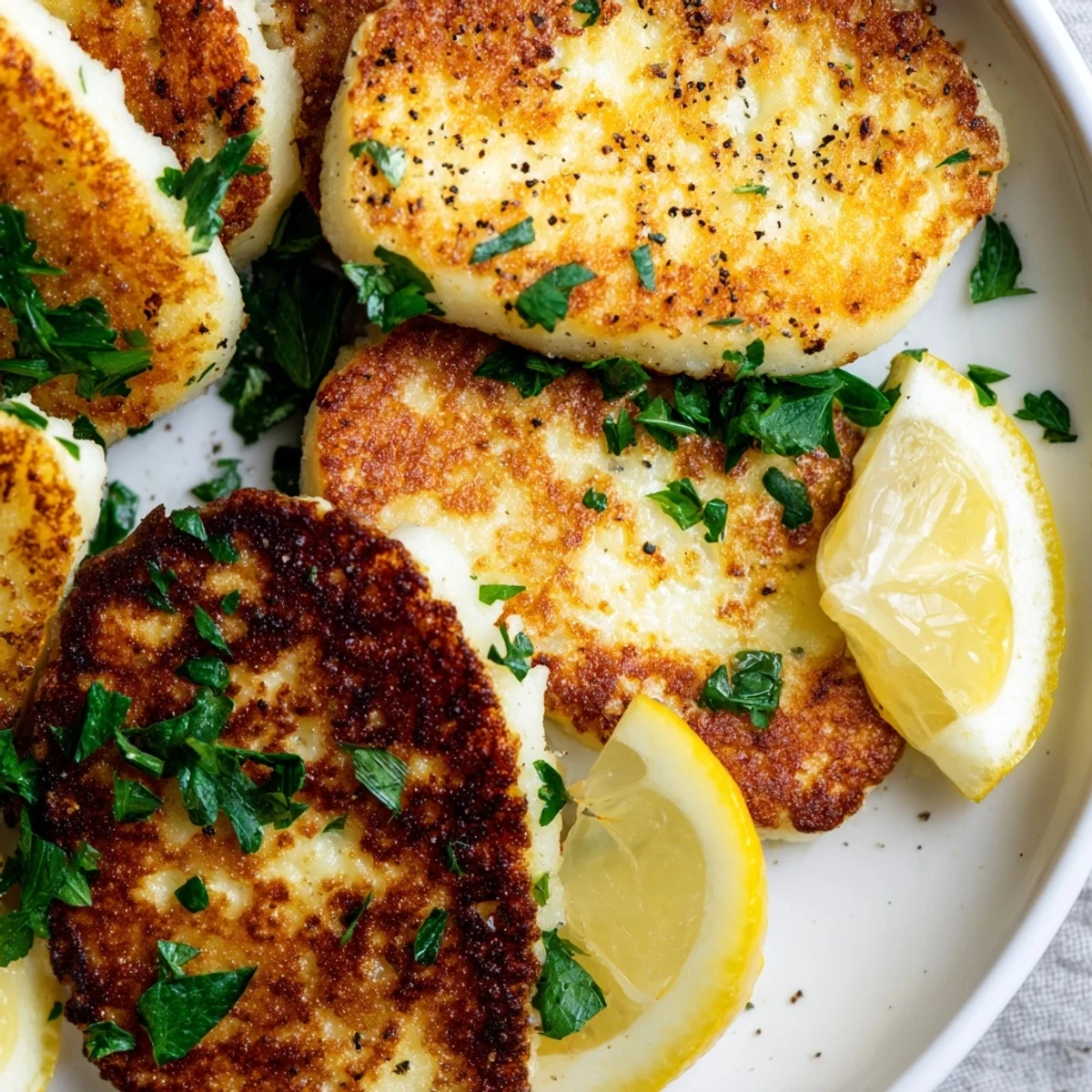
Save Create irresistibly golden and crispy halloumi with minimal effort. The salty Cypriot cheese develops a beautiful crust when pan-fried, while the interior stays perfectly tender. A squeeze of fresh lemon cuts through the richness, while herbs add brightness.
Ready in just 12 minutes with only five minutes of prep, this Mediterranean classic works as an appetizer, side dish, or part of a mezze spread. The non-stick skillet method ensures even browning without sticking.
Serve alongside warm pita bread, roasted vegetables, or add honey and chili flakes for a sweet-spicy variation.
The smell of halloumi hitting a hot pan is something between buttered toast and a summer market in Cyprus, and it only takes about three minutes to get there. My friend Sofia tossed some into a skillet during a rainstorm in her tiny flat, and I stood there dripping wet, completely transfixed. That squeaky cheese turning golden on the edges while the kitchen filled with this savory warmth was all the convincing I needed. I have been making it ever since, usually when I want something impressive with almost zero effort.
I once brought a plate of this to a rooftop potluck where everyone was expected to contribute something elaborate. People kept hovering around the halloumi, squeezing extra lemon over it and eating it straight off the platter with their fingers.
Ingredients
- 225 g halloumi cheese: Use a good quality block, not the pre sliced kind, because the texture holds up much better when you cut it yourself.
- 1 tbsp olive oil: Just enough to coat the pan and help the cheese develop that deep golden crust.
- Half lemon cut into wedges: Fresh lemon juice cuts through the saltiness of the cheese and brightens every bite.
- 1 tbsp fresh parsley chopped: Optional, but it adds a fresh pop of color and a mild herbal note that balances the richness.
- Freshly ground black pepper: A few cracks over the top right before serving wakes up all the flavors.
Instructions
- Prep the cheese:
- Unwrap the halloumi and pat it thoroughly dry with paper towels, because any moisture will make it steam instead of fry. Slice it into even pieces about one centimeter thick so every piece cooks at the same rate.
- Get the pan hot:
- Heat the olive oil in a non stick skillet over medium high heat until the oil shimmers and you can feel the warmth hovering your hand above it. This usually takes about a minute.
- Fry until golden:
- Lay the halloumi slices in the pan without crowding or overlapping, then let them cook undisturbed for two to three minutes until the bottoms are deeply golden. Flip carefully and fry the other side the same way.
- Serve right away:
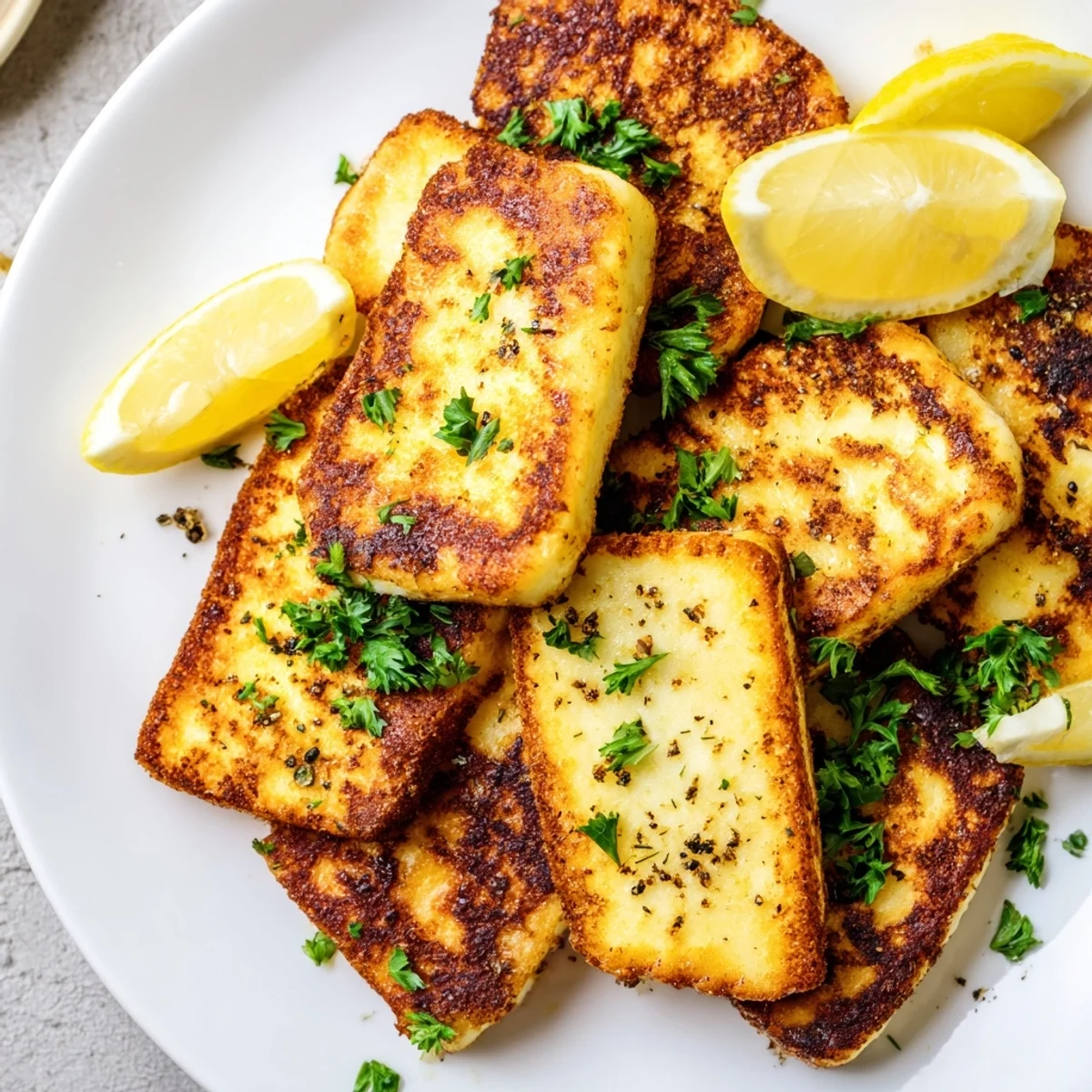
- Transfer the slices to a warm plate, squeeze lemon juice generously over the top, and sprinkle with parsley and black pepper if you are using them. Halloumi waits for no one, so call everyone to the table before you plate it.
 Save
Save There is something about standing over a sizzling pan with lemon wedges nearby that makes even a Tuesday dinner feel like a small celebration. This dish taught me that sometimes the simplest things in the kitchen are the ones people remember most.
Serving Ideas Worth Trying
Layer the fried halloumi over a bed of arugula with cherry tomatoes and a drizzle of olive oil for a complete salad. It also works beautifully tucked into warm pita with roasted red peppers and a smear of hummus. For something unexpected, try it alongside grilled peaches or watermelon in the summer.
Flavor Twists That Work
A thin drizzle of honey over the hot cheese creates this salty sweet contrast that is completely addictive. Chilli flakes scattered on top give it a gentle heat that plays well with the lemon and parsley. You could also try a pinch of zaatar for an earthy, herbaceous layer that takes it in a more Middle Eastern direction.
What to Keep in Mind
Storage is not really a factor here because halloumi is best eaten the moment it leaves the pan, and reheating never quite brings back that original texture. If you are cooking for a crowd, fry in batches and keep the finished pieces in a low oven just long enough to stay warm, but no more than a few minutes. The cheese is naturally high in sodium so go easy on any additional salt.
- Keep your slices uniform so nothing burns while thicker pieces are still pale.
- A squeeze of lemon at the very end, not during cooking, keeps the flavor bright and fresh.
- Trust your eyes more than the timer and look for that deep golden color before flipping.
 Save
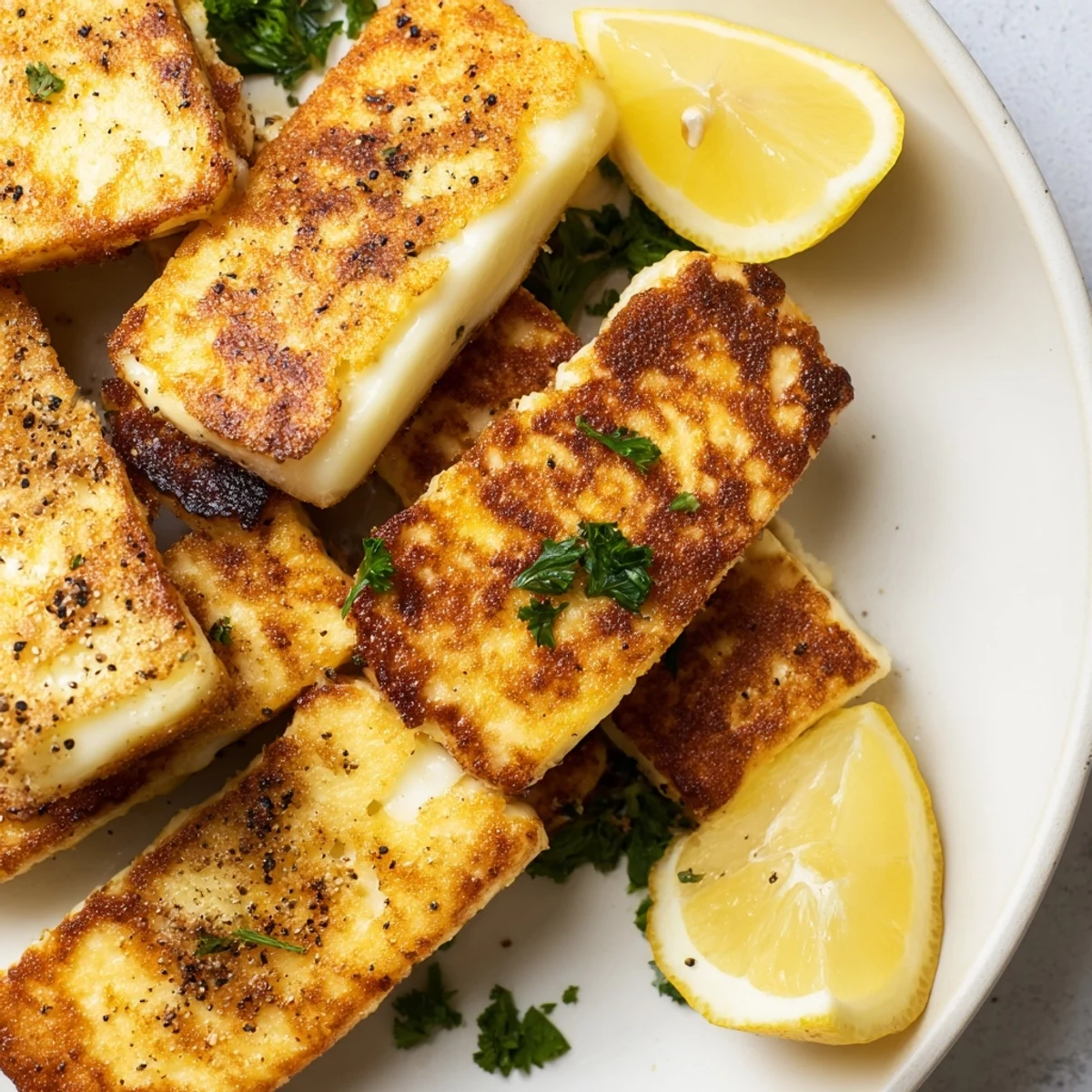
Save Some recipes earn a permanent spot in your rotation not because they are complex, but because they deliver every single time with almost no effort. This is one of those, and your pan will be ready before the oven would have even finished preheating.
Recipe FAQs
- → How do I stop halloumi from sticking to the pan?
-
Use a good quality non-stick skillet and ensure it's properly heated before adding the cheese. Pat the halloumi dry with paper towels before cooking to remove excess moisture, and add a tablespoon of olive oil to prevent sticking.
- → Can I prepare halloumi in advance?
-
Halloumi is best served immediately after cooking while it's still warm and crispy. However, you can slice the cheese and store it in the refrigerator up to 24 hours before frying. Leftovers can be gently reheated in a pan, though they'll lose some crispiness.
- → What can I serve with pan fried halloumi?
-
Warm pita bread, roasted vegetables, or as part of a mezze platter with hummus and olives. It also works well in salads, grain bowls, or as a protein in vegetarian wraps. The honey and chili variation pairs beautifully with grilled peaches or figs.
- → Why is my halloumi rubbery?
-
Overcooking causes halloumi to become tough and rubbery. Stick to 2-3 minutes per side over medium-high heat just until golden. Also avoid overcrowding the pan, which lowers the temperature and leads to uneven cooking.
- → Is halloumi suitable for vegetarians?
-
Traditional halloumi is vegetarian-friendly as it's made with vegetable rennet rather than animal rennet. It's naturally gluten-free and high in protein, making it an excellent option for vegetarians and those avoiding gluten.
- → Can I use other oils instead of olive oil?
-
Yes, avocado oil, grapeseed oil, or even butter work well. Butter adds extra richness and helps with browning, though it has a lower smoke point. Avoid extra virgin olive oil at high heat—use regular olive oil instead.