 Save
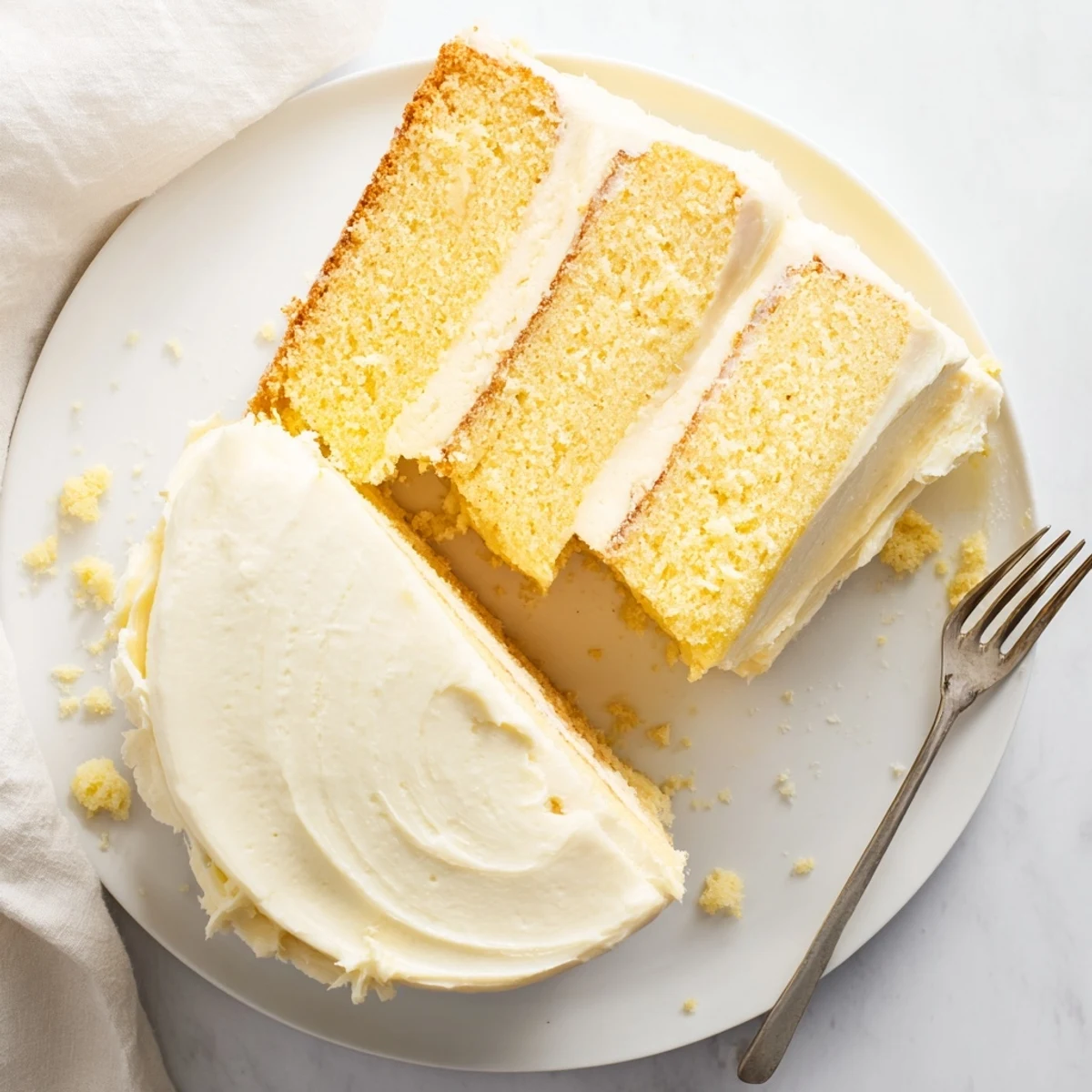
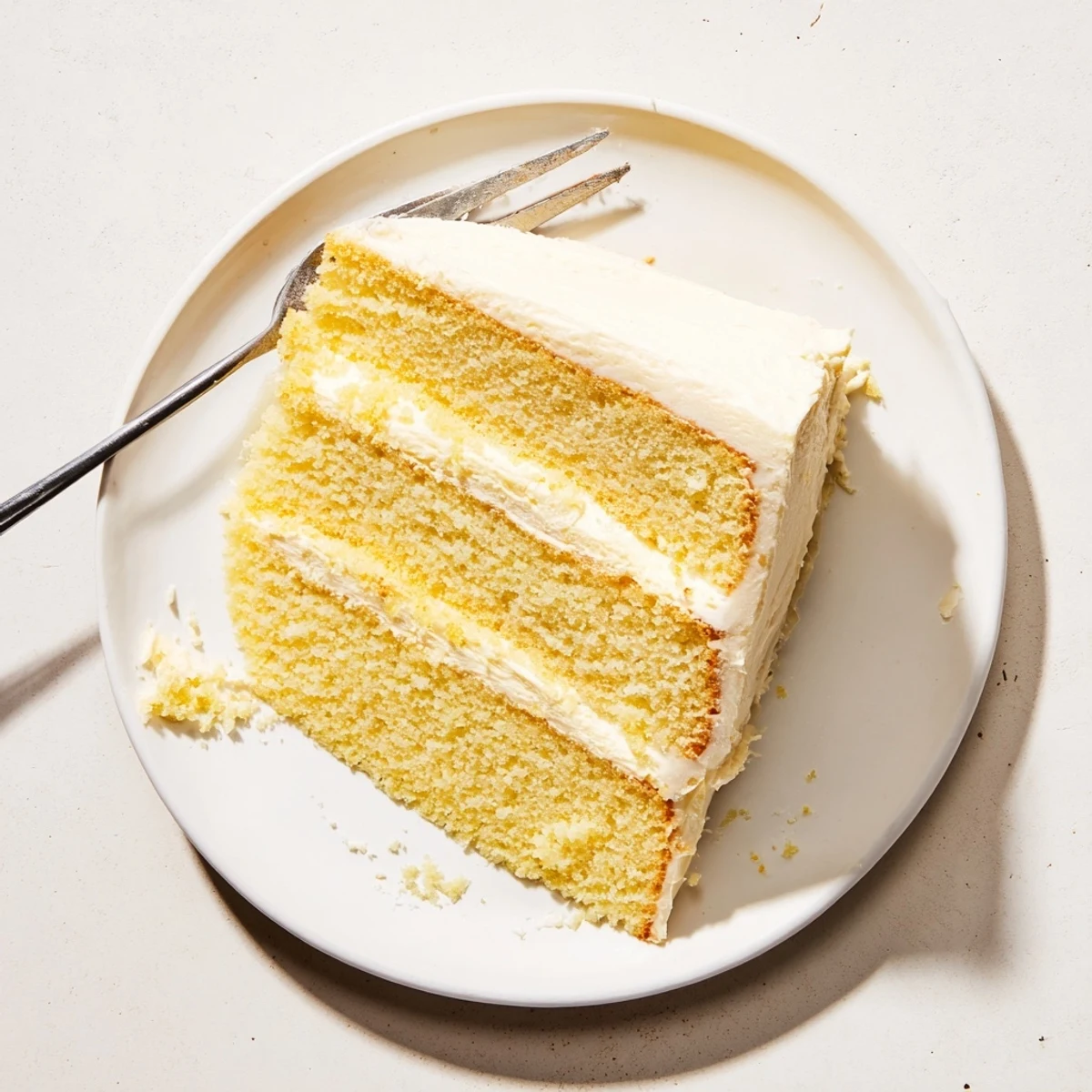
Save This classic vanilla cake features a tender, moist crumb with rich butter flavor, finished with smooth vanilla buttercream frosting. The straightforward technique involves creaming butter and sugar until fluffy, then alternately incorporating dry ingredients and milk for perfect texture. Bake time of 30 minutes produces golden layers that cool completely before frosting.
Make ahead by freezing unfilled layers for up to two months. The versatile base welcomes variations like chocolate ganache, fresh berries, or citrus curd. Essential tools include standard cake pans and an electric mixer for consistent results.
My daughter's seventh birthday cake request was surprisingly specific: she wanted vanilla cake, yellow on the inside, white frosting on the outside. Not chocolate, not funfetti, not covered in sprinkles. Just pure, simple vanilla that tastes like birthdays.
Last summer I made this for a neighbor's anniversary, doubling the recipe to make a towering three-layer version. By the time I carried it across the street, the buttercream had started softening in the heat, but nobody cared. They just wanted seconds.
Ingredients
- 2 1/2 cups (315 g) all-purpose flour: Spoon and level instead of scooping directly for accurate measurement
- 2 1/2 tsp baking powder: Fresh baking powder makes all the difference in lift
- 1/2 tsp salt: Enhances the vanilla flavor without tasting salty
- 1 cup (225 g) unsalted butter, softened: Leave it out for at least an hour so it yields to finger pressure
- 1 1/2 cups (300 g) granulated sugar: Cream this thoroughly with butter for that cloud-like texture
- 4 large eggs, room temperature: Cold eggs can cause the batter to seize up
- 1 tbsp pure vanilla extract: Real vanilla is worth every penny here
- 1 cup (240 ml) whole milk, room temperature: Warm milk incorporates more smoothly
- 1 cup (225 g) unsalted butter, softened: For the buttercream frosting
- 4 cups (480 g) powdered sugar, sifted: Sifting prevents lumps in your finished frosting
- 2 tbsp whole milk: Adjust this to reach your desired frosting consistency
- 1 1/2 tsp pure vanilla extract: Don't be shy with vanilla in the frosting
- Pinch of salt: Balances the sweetness and rounds out the flavor
Instructions
- Prep your oven and pans:
- Set your oven to 350°F (175°C) and thoroughly grease two 9-inch round pans with butter, then line the bottoms with parchment paper circles so nothing sticks.
- Mix your dry ingredients:
- Whisk together the flour, baking powder, and salt in a medium bowl until they're evenly combined.
- Cream the butter and sugar:
- Beat the butter and sugar with an electric mixer for 3-4 minutes until it's pale and fluffy, scraping down the sides of the bowl to make sure everything gets incorporated.
- Add the eggs and vanilla:
- Crack in the eggs one at a time, beating well after each addition, then mix in the vanilla extract until fully combined.
- Combine wet and dry ingredients:
- Add the flour mixture and milk alternately in three additions, starting and ending with flour, mixing until just combined.
- Bake the layers:
- Divide the batter evenly between your prepared pans, smooth the tops, and bake for 28-32 minutes until a toothpick inserted in the center comes out clean.
- Cool completely:
- Let the cakes rest in the pans for 10 minutes, then turn them out onto wire racks to cool to room temperature before frosting.
- Make the buttercream:
- Beat the butter until creamy, gradually add the sifted powdered sugar, then mix in the milk, vanilla, and salt until the frosting is smooth and fluffy.
- Assemble and frost:
- Place one cake layer on your serving plate, spread a generous layer of buttercream on top, add the second cake layer, and frost the top and sides.
 Save
Save This recipe has become my go-to for baby showers, office birthdays, and Sunday dinners. The best part isn't the first slice—it's the text messages I get the next day asking if there's any leftover cake.
Getting The Perfect Crumb
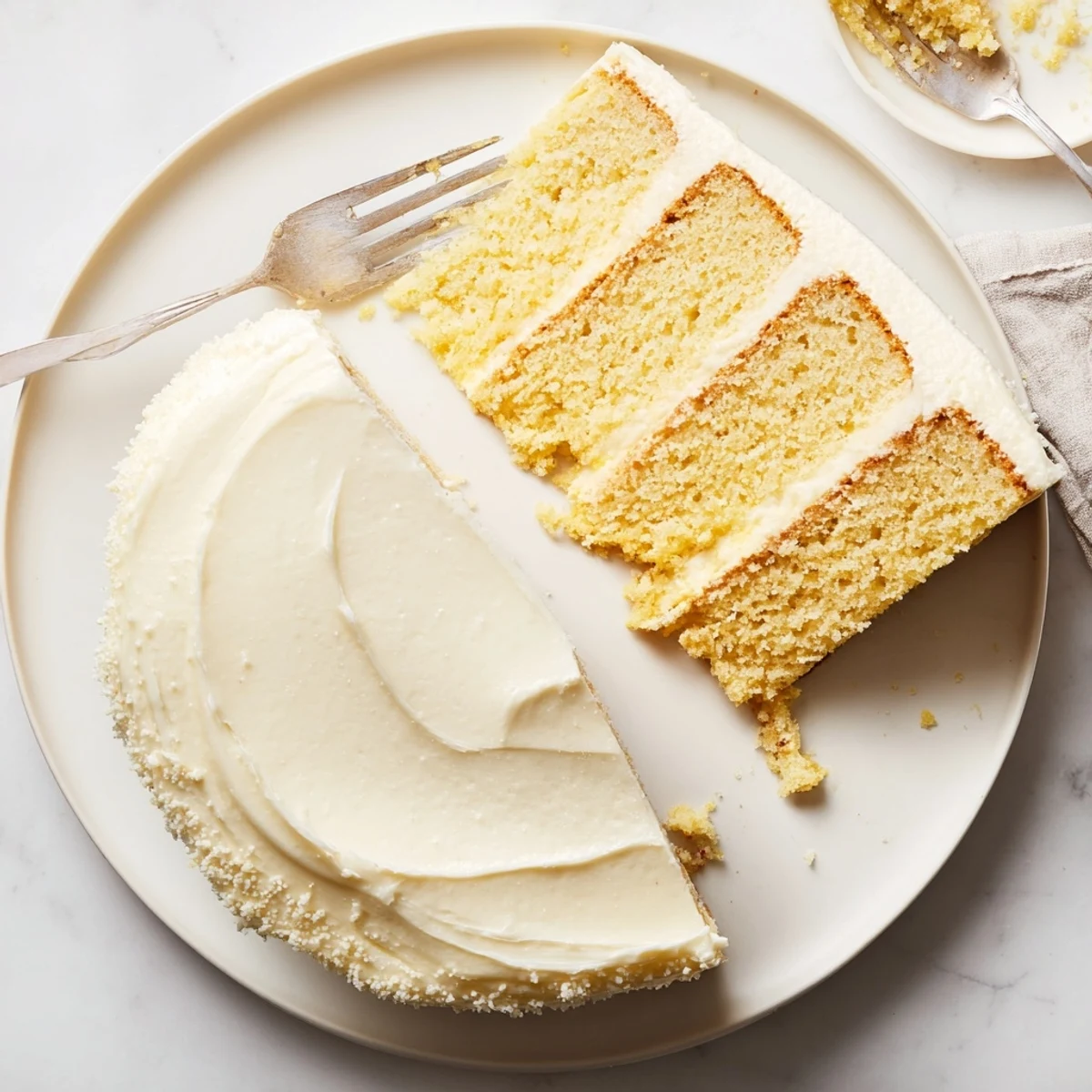
The key to that delicate texture is properly creamed butter and sugar. You'll notice it transforms from yellow and grainy to pale and almost meringue-like. Those tiny air pockets are what makes the cake rise beautifully.
Frosting Like A Pro
Apply a thin crumb coat first—that initial layer of frosting that catches any loose crumbs. Chill the cake for 15 minutes, then add your final layer of buttercream for a smooth, professional finish.
Make It Ahead
Unfrosted cake layers wrap beautifully and freeze for up to two months. Thaw them overnight in the refrigerator, then bring to room temperature before frosting. This timing trick is how I never stress about party prep.
- Double-wrap cooled cake layers in plastic wrap, then foil
- Label with the date so you remember when you baked them
- Always frost completely thawed, room-temperature cake
 Save
Save There's something deeply satisfying about a vanilla cake done right—simple but never plain, the kind of dessert that makes any Tuesday feel like a celebration.
Recipe FAQs
- → How do I know when the cake is done baking?
-
Insert a toothpick into the center of the cake. If it comes out clean or with just a few moist crumbs, the cake is done. The edges should also pull slightly away from the pan sides.
- → Can I make this cake in advance?
-
Yes, bake and cool the layers completely, then wrap tightly in plastic and freeze for up to 2 months. Thaw overnight at room temperature before frosting.
- → Why did my cake turn out dense?
-
Overmixing the batter after adding flour can develop too much gluten, resulting in a dense texture. Mix only until ingredients are just combined. Also ensure all ingredients are at room temperature.
- → Can I use salted butter instead of unsalted?
-
You can substitute salted butter, but reduce the added salt in both the cake and frosting by half. The flavor profile will remain similar with this adjustment.
- → How should I store leftover cake?
-
Keep frosted cake at room temperature under a cake dome or wrapped in plastic for up to 3 days. For longer storage, refrigerate for up to a week, though the texture may become slightly denser when chilled.
- → Can I make this as cupcakes instead?
-
Absolutely. Line a muffin tin with paper liners and fill each two-thirds full. Reduce baking time to 18-22 minutes at the same temperature. This yields approximately 24 cupcakes.