
 Save
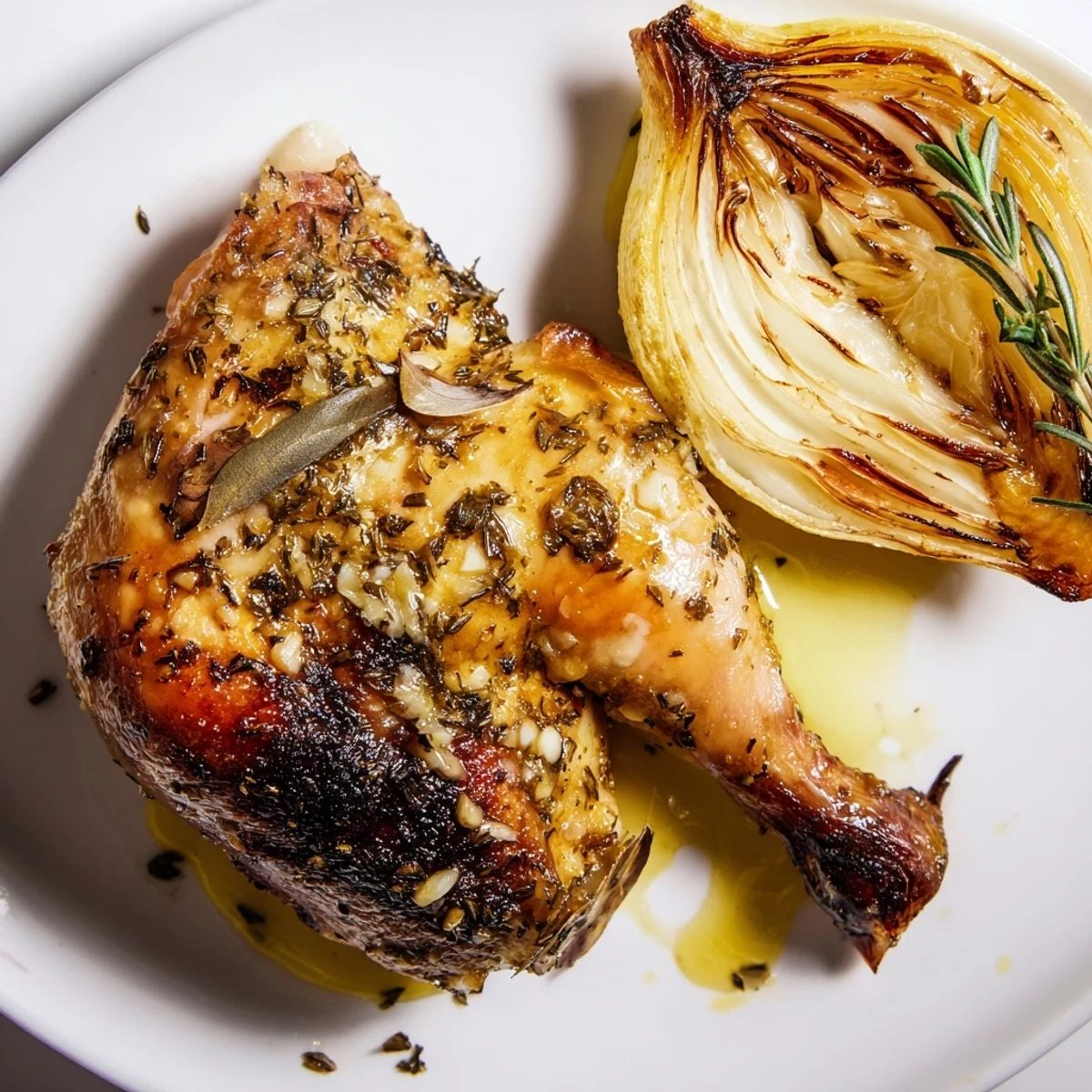
Save This dish features a whole chicken marinated with olive oil, fresh oregano, garlic, and lemon zest. Roasting at 200°C creates golden, crispy skin while keeping the meat juicy and tender. Lemon slices and onion wedges in the roasting pan add aromatic depth. Resting the chicken before carving ensures maximum flavor and moisture retention. Ideal for a hearty, comforting Mediterranean-style meal that pairs well with potatoes or fresh salad.
There's something about the smell of lemon and oregano hitting a hot oven that makes you feel like you've done something right before you've even started cooking. The first time I made this chicken, I was trying to impress someone who actually knew their way around a kitchen, which meant I had to stop second-guessing myself and just trust the simple flavors. That golden, crackling skin and the way the juices pooled at the bottom of the pan turned out to be less about technique and more about patience and a good herb rub.
I made this for a casual dinner party once and spent half the time in the kitchen just listening to it sizzle and pop, which somehow felt like the most relaxing part of my week. My friend wandered in asking if anything was wrong because I looked so peaceful, but really I was just watching that skin turn from pale to golden, knowing the hardest part was already done. It became the kind of meal where people asked for seconds before I'd even finished plating, which is the highest compliment a cook can get.
Ingredients
- 1 whole chicken (about 1.5 kg / 3.3 lbs), giblets removed: Make sure it's truly at room temperature for the most even cooking, and pat it completely dry so the skin gets properly crispy.
- 3 tablespoons olive oil: Use something good enough to taste, since there's nowhere for mediocre oil to hide here.
- 2 tablespoons fresh oregano, finely chopped (or 1 tablespoon dried oregano): Fresh is noticeably better, but dried works fine if that's what you have on hand.
- 3 cloves garlic, minced: Don't use the pre-minced jar stuff if you can help it; the flavor difference is worth the thirty seconds it takes.
- Zest and juice of 1 large lemon: Get the zest before you juice it, and make sure the lemon is actually juicy and not some sad hard one from the bottom of the bin.
- 1 teaspoon salt and 1/2 teaspoon freshly ground black pepper: These quantities matter more than you'd think when seasoning a whole bird.
- 1 large onion, cut into wedges: The onion becomes sweet and slightly charred, almost a vegetable side dish hiding inside the pan.
- 1 lemon, sliced: These aromatics flavor the meat as it roasts, so don't skip them.
- 4 sprigs fresh oregano (for garnish, optional): A small touch that makes people think you're fancier than you actually are.
Instructions
- Get your oven roaring and prep your chicken:
- Heat the oven to 200°C (400°F) and let it come all the way up while you work. This preheating is not optional if you want that crispy, golden skin.
- Make the magic marinade:
- Whisk together the olive oil, oregano, garlic, lemon zest, juice, salt, and pepper until it looks like a loose paste. Smell it at this point because you'll understand immediately why this chicken is going to be delicious.
- Season the bird thoroughly:
- Pat the chicken completely dry with paper towels, then rub that marinade all over, making sure to get under the skin on the breasts and thighs and inside the cavity. This is where you build flavor, so don't be shy about it.
- Stuff and arrange:
- Stuff half the onion wedges and a few lemon slices into the cavity, then scatter the rest of the onions and lemon slices in the roasting pan. Set the chicken breast-side up on top of these aromatics.
- Roast with patience:
- Roast for 1 hour 10 minutes, basting every 20 minutes or so with the pan juices that collect. You're looking for golden, crispy skin and a meat thermometer reading 75°C (165°F) in the thickest part of the thigh.
- Rest and finish:
- Let the chicken rest under loose foil for 10 minutes, which gives the juices time to redistribute and keeps the meat from drying out when you carve. This rest period is when you can quickly set the table and not feel rushed.
 Save
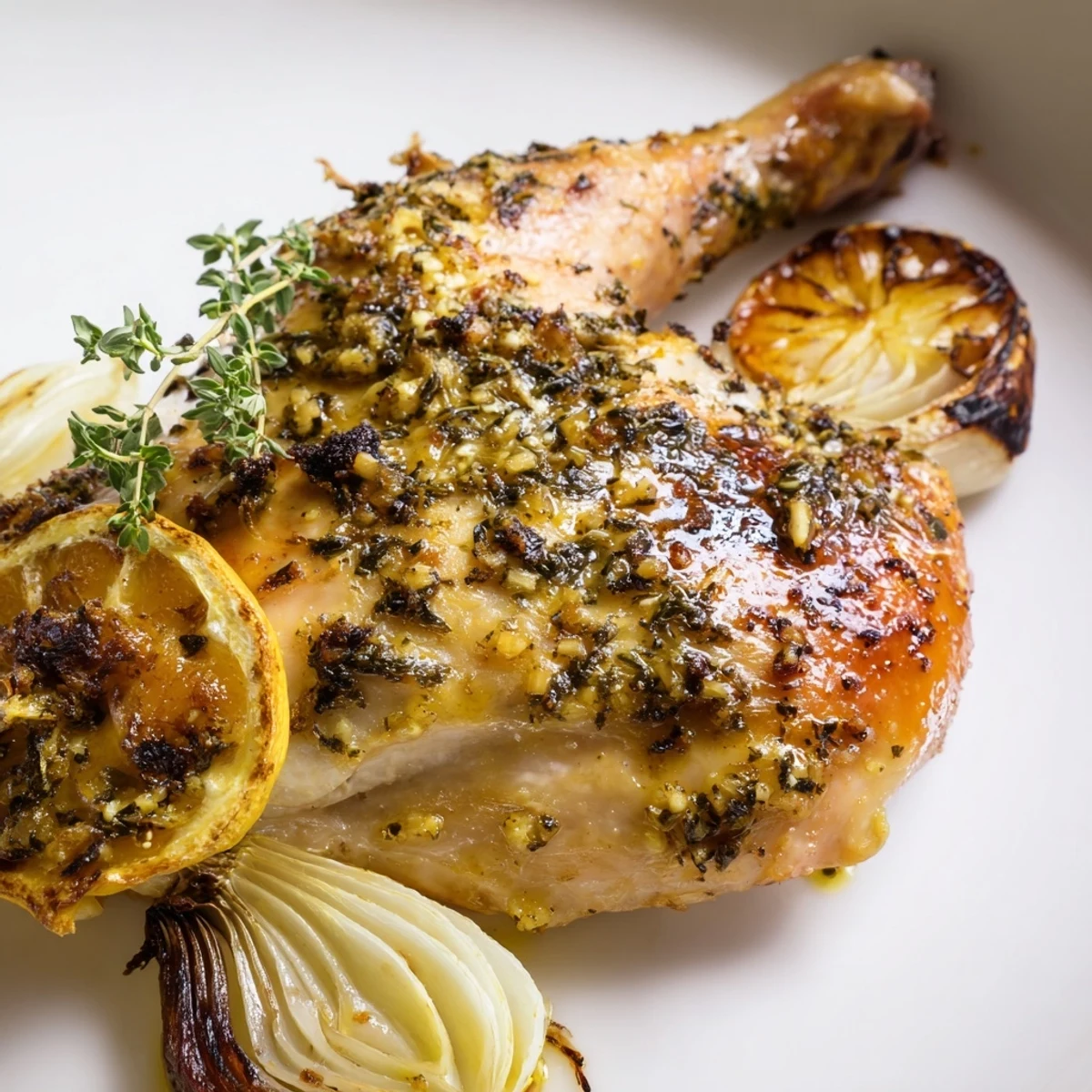
Save This dish became my go-to comfort meal on days when I needed something that felt like care without feeling complicated. There's something about serving a whole roasted chicken that makes a simple dinner feel like an occasion, and that's when I realized cooking doesn't always have to be about impressing people—sometimes it's just about taking the time to do something right.
Why Mediterranean Flavors Work So Well
The combination of lemon and oregano is practically timeless because these flavors were meant to live together, developed over centuries of cooking around the same sea. When you roast them with garlic and good olive oil, they become more than individual ingredients; they create a complete flavor profile that makes the chicken taste expensive and thoughtful without any real effort on your part. It's the kind of pairing that works because the Mediterranean cultures figured it out long ago and we should trust their instincts.
Pan Juices Are Your Secret Weapon
Those brown bits and accumulated juices at the bottom of the roasting pan are not something to ignore or throw away; they're basically free sauce. The onions and lemon become soft and caramelized, and when you spoon those juices over the chicken on serving, it adds moisture and incredible depth to every bite. People will ask if you made a gravy, and you can mysteriously tell them it's just the natural juices, knowing you've just created something better than what comes from a jar.
Making It Your Own
This recipe is a foundation, not a prison, so feel free to adjust the herbs and seasonings based on what you love or what your garden is overflowing with. I've made versions with thyme instead of oregano, added whole garlic cloves to the pan for roasting, or tucked sprigs of rosemary into the cavity when the mood struck. The real skill in cooking is recognizing when a recipe is just a framework for your own preferences, and this one is exactly that kind of friend.
- If you want extra richness, stuff the cavity with herbs and a knob of butter instead of just aromatics.
- Serve the pan juices warm alongside the chicken, not poured over, so people can use as much as they like.
- Leftovers keep beautifully in the fridge for three days and shred easily for salads or warm sandwiches.
 Save
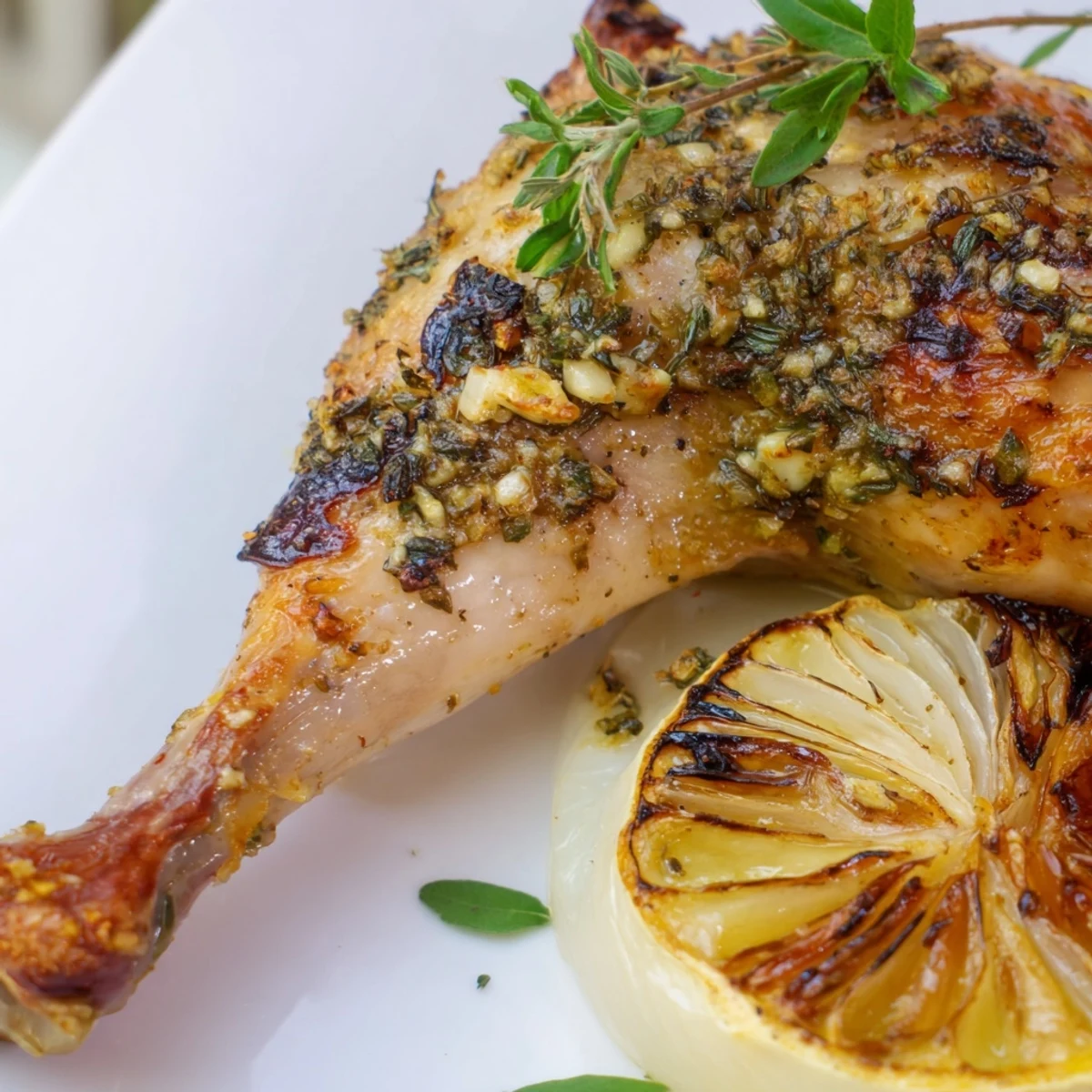
Save This is one of those recipes that tastes like you've been cooking all day when you've actually spent minimal time in the kitchen, which is the dream. Make it once and you'll understand why it's become a reliable favorite for weeknight dinners and the meals where you want people to feel genuinely cared for.
Recipe FAQs
- → How long should the chicken rest after roasting?
-
Let the chicken rest for about 10 minutes loosely covered with foil to retain juices and ensure tender slices.
- → Can dried oregano be used instead of fresh?
-
Yes, dried oregano can replace fresh; use about half the amount to avoid overpowering the flavors.
- → What is the ideal internal temperature for cooked chicken?
-
The chicken is fully cooked when the thickest part of the thigh reaches 75°C (165°F).
- → Why add lemon slices inside and around the chicken?
-
Lemon slices impart a bright citrus aroma and tenderize the meat during roasting for enhanced flavor.
- → What side dishes complement this chicken well?
-
Roasted potatoes, crisp green salad, or steamed vegetables pair nicely and balance the zesty notes.