 Save
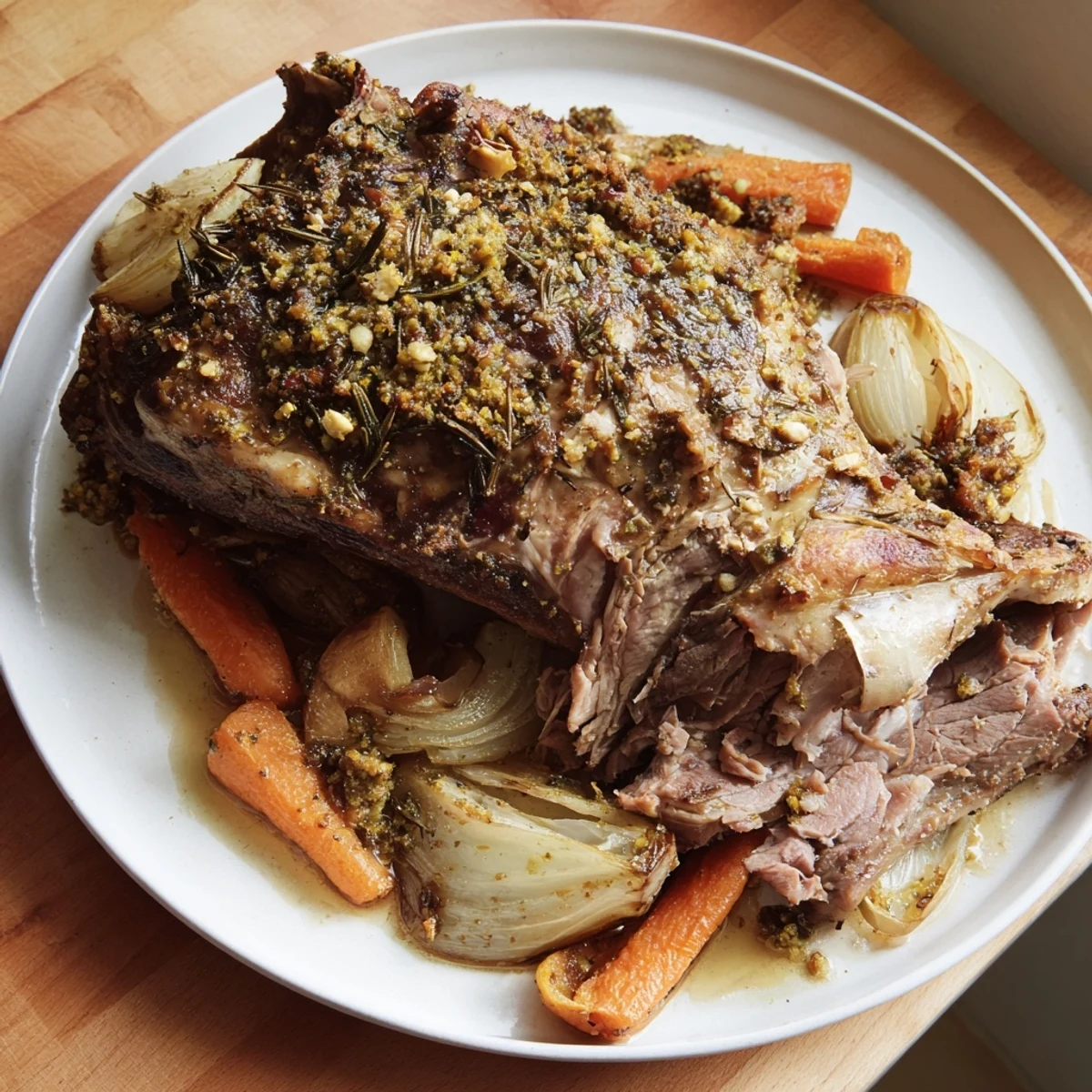
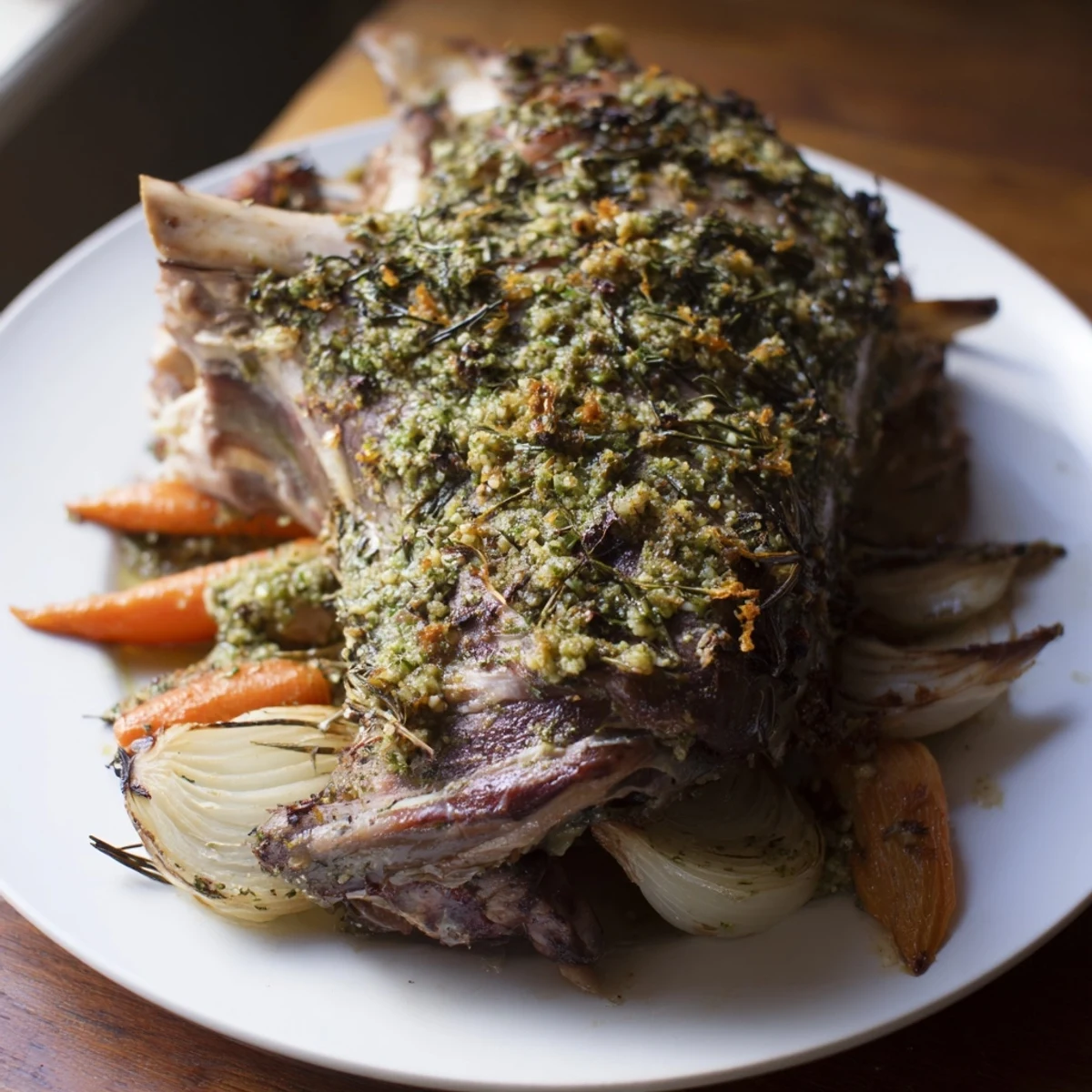
Save This dish features a bone-in lamb shoulder slow-roasted with a fresh herb marinade of rosemary, thyme, oregano, garlic, and lemon zest. Roasting on a bed of root vegetables and with a splash of white wine ensures tender meat with a crispy, flavorful crust. The lamb is rubbed with an herb paste, roasted low and slow, then finished at higher heat for caramelization. Letting it rest before carving helps retain juicy tenderness, making it ideal for elegant dinners or hearty family meals.
The first time I slow-roasted a lamb shoulder, my entire apartment building smelled like a Mediterranean restaurant. My neighbor actually knocked on my door to ask what I was making, and I ended up sharing the recipe with three other families that evening.
I once served this at a dinner party where one guest swore they didnt like lamb. By the end of the meal, they were asking for seconds and taking home the bone for soup stock. The slow roasting method transforms what can be a gamey cut into something universally craveable.
Ingredients
- 1 (2.5 to 3 kg / 5 to 6 lbs) bone-in lamb shoulder: The bone adds incredible depth of flavor and helps keep the meat moist during the long cooking time. Ask your butcher for a well-marbled piece.
- 2 tbsp olive oil: This helps the herb paste cling to the meat and promotes even browning. Extra virgin gives you the best flavor base.
- 1 tbsp kosher salt: Diamond Crystal is my go-to because its flaky texture distributes more evenly than table salt.
- 1 tsp freshly ground black pepper: Grind it right before you use it. Pre-ground pepper loses its punch after just a few weeks.
- 4 garlic cloves, minced: Dont use a garlic press. Mincing by hand gives you better control over the texture and prevents bitter compounds from releasing.
- 2 tbsp fresh rosemary, chopped: Rosemary is lamb best friend. Woody herbs hold up beautifully to long cooking times.
- 1 tbsp fresh thyme, chopped: Strip the leaves from the woody stems by running your fingers backward down the sprig.
- 1 tbsp fresh oregano, chopped: Oregano adds this earthy, slightly floral note that rounds out the sharper rosemary.
- Zest of 1 lemon: Use a microplane if you have one. You want just the yellow outer layer, none of the bitter white pith underneath.
- 2 tbsp lemon juice: Fresh is non-negotiable here. Bottled lemon juice has a metallic aftertaste that ruins the delicate balance.
- 2 onions, thickly sliced: These create a natural roasting rack and eventually melt down into a sweet, savory jam at the bottom of the pan.
- 2 carrots, peeled and cut into large chunks: Large chunks wont turn to mush. They should be substantial enough to survive three hours in the oven.
- 2 celery stalks, cut into large chunks: Celery adds essential aromatic depth to the pan juices that will become your sauce.
- 250 ml (1 cup) dry white wine or low-sodium chicken broth: This creates steam and keeps the environment humid. The wine adds complexity but broth works perfectly if you prefer not to cook with alcohol.
Instructions
- Preheat your oven and prepare the herb paste:
- Set your oven to 160°C (325°F) and let it fully preheat while you work. In a small bowl, mix the olive oil, salt, pepper, garlic, rosemary, thyme, oregano, lemon zest, and lemon juice until it forms a fragrant, spreadable paste.
- Prep the lamb shoulder:
- Pat the lamb completely dry with paper towels. This is crucial for getting a good sear later. Rub the herb paste all over the lamb, really working it into any crevices and under the fat layer where you can reach.
- Build your roasting base:
- Scatter the onion slices, carrot chunks, and celery pieces across the bottom of a large roasting pan. They should form an even layer that raises the lamb slightly off the pan bottom.
- Position and add liquid:
- Nestle the seasoned lamb shoulder on top of the vegetable bed. Pour the wine or broth around the lamb, not directly over it, so you dont wash away any of that herb paste you just worked so hard to apply.
- The slow roast phase:
- Cover the pan tightly with aluminum foil. No gaps allowed. You want to trap all that steam and moisture. Roast for 2½ hours. Your kitchen will start smelling amazing after about an hour.
- The crisping phase:
- Carefully remove the foil (watch out for the steam blast) and crank your oven up to 200°C (400°F). Return the lamb to the oven for another 30 minutes. The fat will render and bubble, creating these gorgeous crispy edges.
- Rest the meat:
- Take the pan out of the oven and transfer the lamb to a cutting board. Tent it loosely with foil and let it rest for 15 minutes. This step feels like torture when youre hungry, but it redistributes the juices so they dont all run out when you carve.
- Carve and serve:
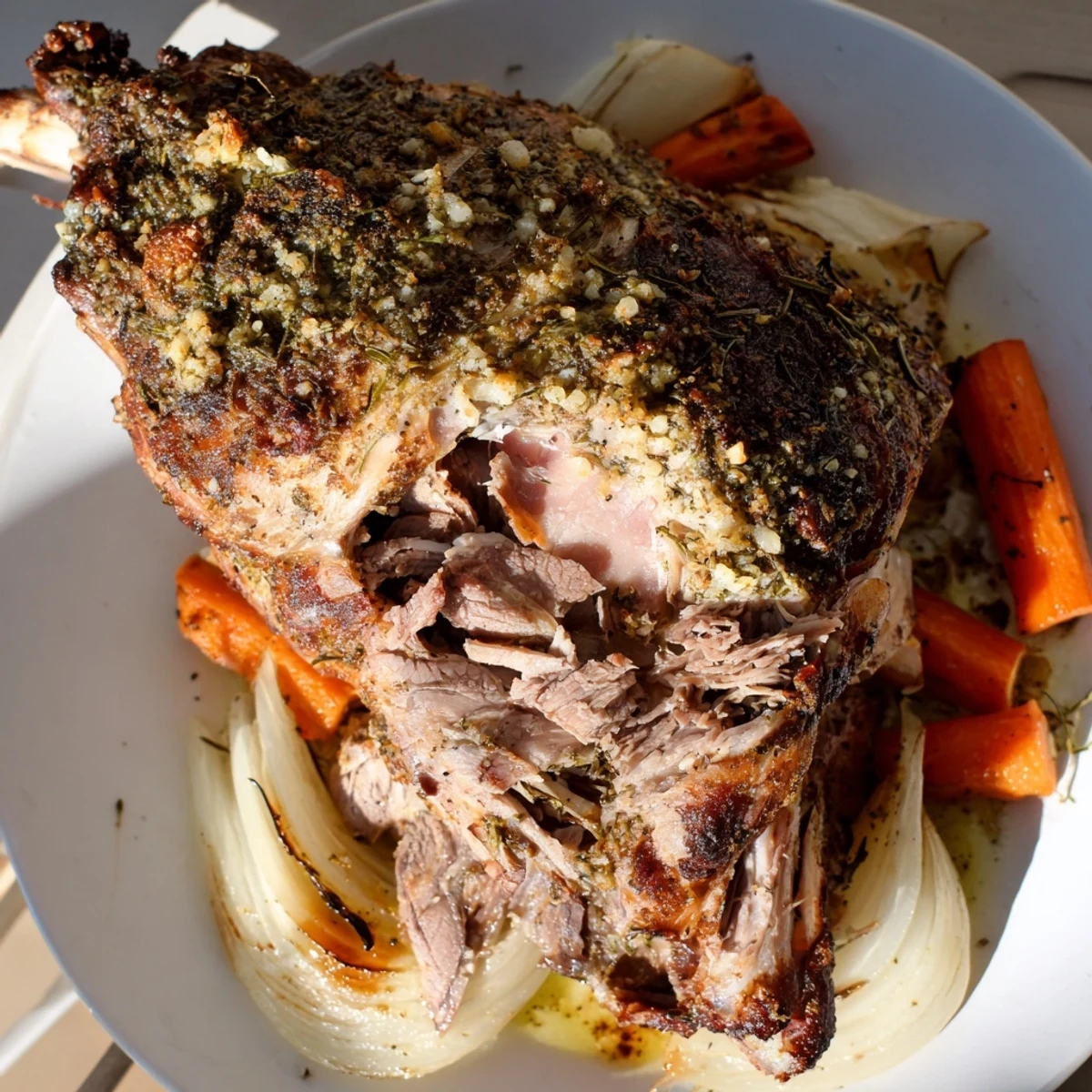
- Pull the meat away from the bone in large chunks or slice against the grain if you prefer more traditional portions. Spoon those pan juices and softened vegetables over everything. The liquid should be rich and concentrated.
 Save
Save My aunt started doing lamb shoulder for Easter instead of the traditional leg after I made this for her. She said the bone-in shoulder has so much more character, and now her children refuse to let her go back to the old way.
Making Ahead
You can rub the herb paste onto the lamb up to 24 hours in advance and refrigerate it tightly wrapped. The flavors penetrate deeper, and when youre ready to cook, just let it sit at room temperature for about 45 minutes before roasting.
Leftovers Strategy
This lamb actually improves overnight. The flavors meld and the fat renders further, making it incredibly easy to shred for sandwiches, shepherd pie, or just straight from the container with a fork.
Serving Suggestions
Roasted potatoes with rosemary are classic, but dont overlook creamy polenta or warm flatbreads for soaking up those pan juices. A bright salad with bitter greens like arugula cuts through the richness beautifully.
- Crudits and olives while the lamb rests give guests something to nibble on
- A simple green salad with lemon vinaigrette balances the heaviness
- Crusty bread is essential if you want to honor every drop of those pan juices
 Save
Save Theres something deeply satisfying about a dish that rewards patience this richly. Every hour that passes in the oven transforms the meat into something more tender than you thought possible.
Recipe FAQs
- → How long should the lamb shoulder be roasted?
-
Roast the lamb shoulder covered for 2½ hours at 160°C (325°F), then uncovered for another 30 minutes at 200°C (400°F) until browned and tender.
- → Can I prepare the herb marinade in advance?
-
Yes, marinate the lamb with the herb paste overnight in the refrigerator to enhance the flavors.
- → What vegetables can be used as a roasting base?
-
Onions, carrots, and celery sliced into large chunks create a flavorful base that keeps the meat moist and infuses additional aroma.
- → What can I use instead of white wine for cooking?
-
Low-sodium chicken broth can be used as an alternative to white wine to maintain moisture and add depth.
- → How should the lamb be rested after roasting?
-
Let the lamb rest loosely covered with foil for 15 minutes to allow juices to redistribute before carving.