 Save
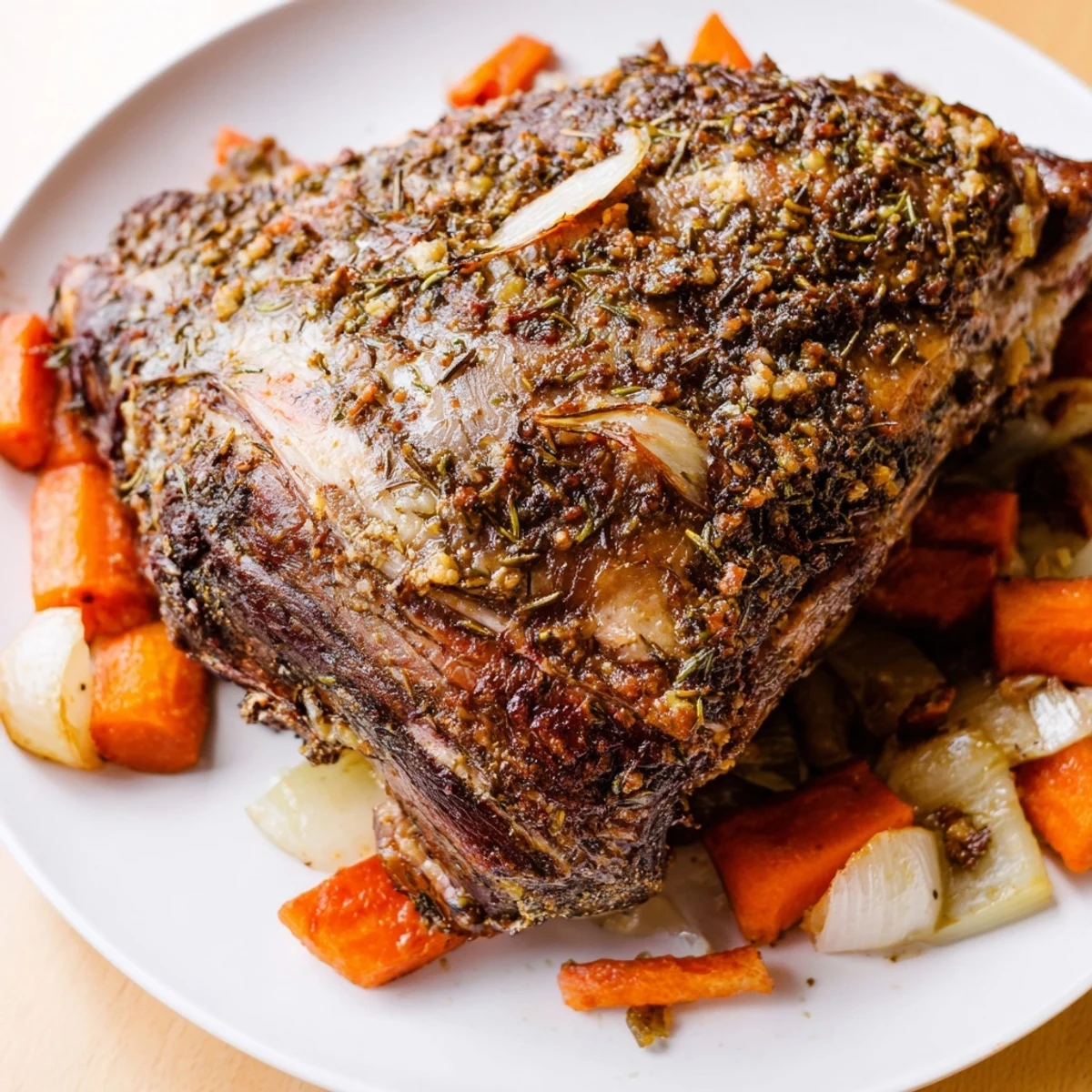
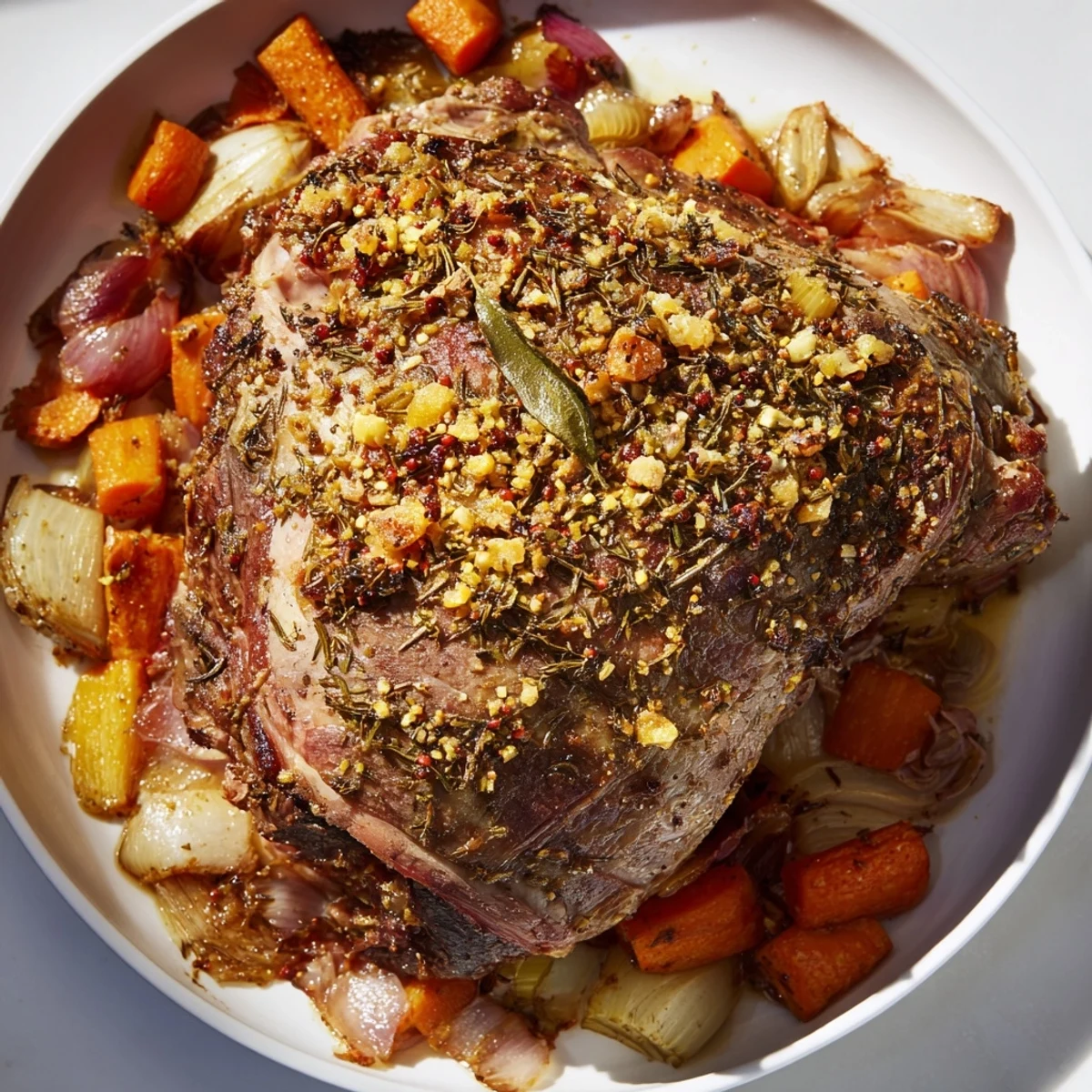
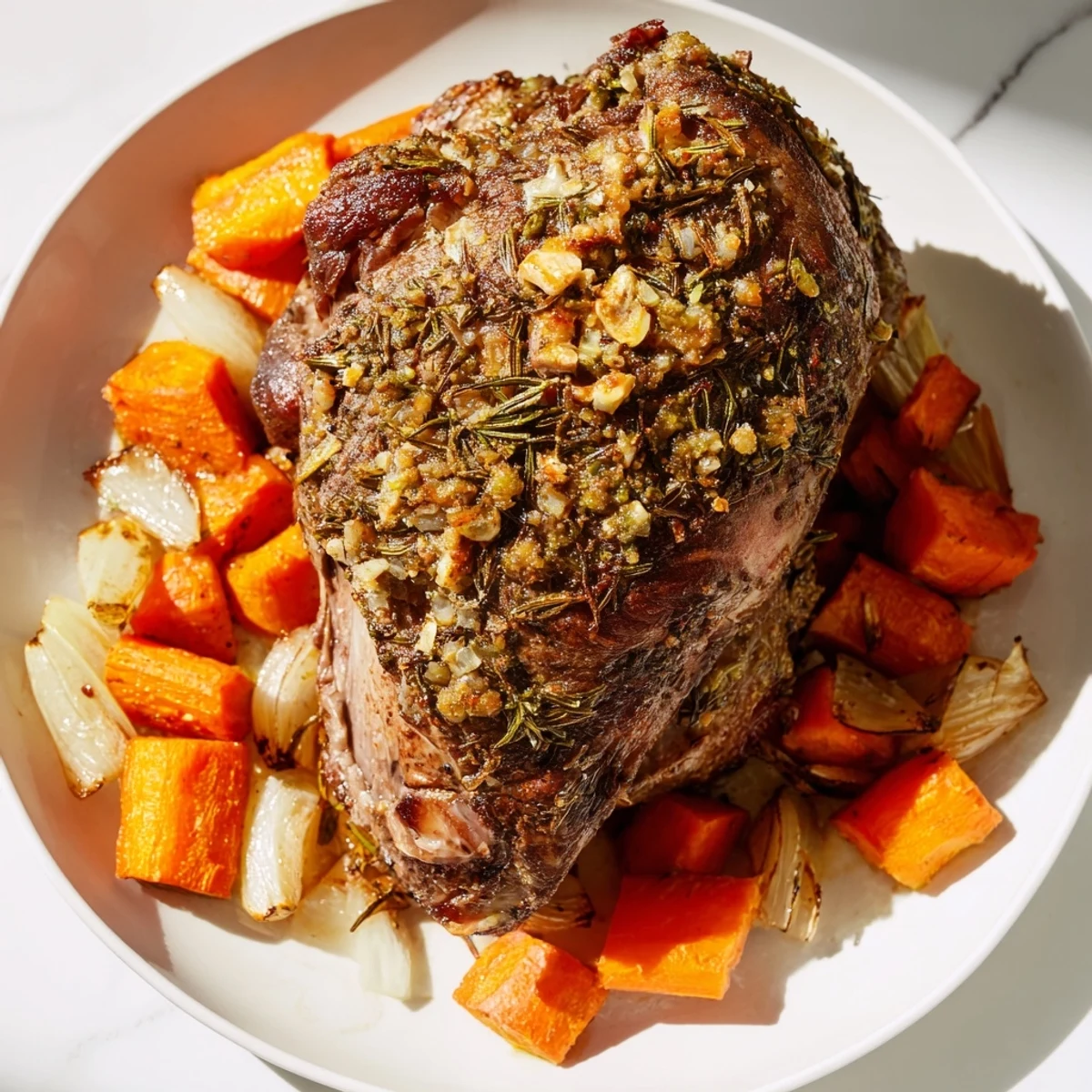
Save This dish features a bone-in lamb shoulder marinated in garlic, rosemary, thyme, oregano, lemon zest, and olive oil. The meat is slow-roasted over vegetables with a splash of white wine and broth, resulting in tender, flavorful slices. Roasting first covered then uncovered enhances a golden crust while retaining juiciness. Letting it rest before carving ensures moist, rich meat, making for an impressive yet approachable Mediterranean main dish.
The kitchen was quiet that Sunday afternoon when I first decided to tackle lamb shoulder. My grandmother had always said lamb was special occasion food, the kind of dish that demanded patience and rewarded it tenfold. I'd been intimidated by the sheer size of that cut for years, standing in the butcher shop aisle more than once before working up the courage. Something about the way the herbs hit the hot pan that day changed everything for me.
Last spring my sister came over unexpectedly, and I threw this in the oven with just twenty minutes of prep. We sat at the kitchen table catching up while the most incredible aroma filled every corner of the house. When I finally pulled that foil back after hours of slow cooking, the golden crust had everyone gathering around the counter. That night turned into an impromptu dinner party that lasted well past midnight.
Ingredients
- 1 bone-in lamb shoulder about 2.5 kg 5.5 lbs: Bone-in adds incredible depth of flavor and helps the meat cook more evenly plus the marrow infuses the pan sauce
- 4 cloves garlic minced: Fresh minced garlic releases more oils and aroma than pre-minced, creating a more intense flavor that mellows beautifully during roasting
- 2 tbsp fresh rosemary finely chopped: Rosemary's piney aroma is the classic partner for lamb, and fresh needles release aromatic oils that dried rosemary simply cannot match
- 2 tbsp fresh thyme leaves: Thyme adds earthy undertones that bridge the gap between the robust lamb and bright citrus elements
- 1 tbsp fresh oregano chopped: Oregano brings a slightly peppery bite that cuts through the richness of the meat
- 1 lemon zested and juiced: The zest provides concentrated citrus oil while the juice adds acid that brightens the entire dish and balances the fat
- 3 tbsp olive oil: Extra virgin olive oil helps the herbs adhere to the meat and contributes its own fruity complexity to the crust
- 2 tsp sea salt: Coarse sea salt dissolves slowly during cooking, seasoning the meat gradually and creating better texture than table salt
- 1 tsp freshly ground black pepper: Freshly cracked pepper has a more complex, spicy kick that complements the herbs rather than overwhelming them
- 3 large carrots peeled and cut into chunks: Carrots form the sweet foundation of your vegetable bed and contribute natural sweetness to the pan sauce
- 2 large onions quartered: Onions caramelize slowly during roasting, adding depth and body to both the vegetables and the finished sauce
- 3 celery stalks cut into chunks: Celery provides aromatic backbone and subtle savory notes that tie all the vegetable flavors together
- 250 ml 1 cup dry white wine: The wine acidity helps cut through the rich lamb fat while adding complexity to the pan drippings
- 250 ml 1 cup low-sodium chicken or vegetable broth: Broth creates the base of your pan sauce and keeps everything from drying out during the long roast
Instructions
- Prepare the oven and make the marinade:
- Preheat your oven to 160°C 325°F. In a small bowl, mix together the garlic, rosemary, thyme, oregano, lemon zest, lemon juice, olive oil, salt, and pepper until you have a fragrant paste that smells like an herb garden.
- Season the lamb shoulder thoroughly:
- Pat the lamb shoulder completely dry with paper towels. Rub the marinade all over the lamb, using your fingers to really work it into any crevices and under the fat layer where possible.
- Build your roasting foundation:
- Scatter the carrots, onions, and celery across the bottom of a large roasting pan. Set the seasoned lamb shoulder directly on top of this vegetable bed.
- Add the cooking liquids and cover tightly:
- Pour the white wine and broth into the pan around the lamb, being careful not to wash away the herb crust. Cover the pan very tightly with aluminum foil or use a heavy lid to trap all that moisture.
- Slow roast to tenderness:
- Roast covered for 2.5 hours. The lamb should be pulling away from the bone and your kitchen should smell absolutely incredible.
- Create the golden crust:
- Remove the foil and increase the oven temperature to 200°C 400°F. Roast uncovered for about 30 minutes more until the surface is deeply golden and the fat is rendered and crispy.
- Rest before carving:
- Transfer the lamb to a platter and cover loosely with foil. Let it rest for 15 minutes, which allows the juices to redistribute throughout the meat.
- Finish and serve:
- Skim any excess fat from the pan juices. Serve the lamb alongside the roasted vegetables with a generous spoonful of the pan sauce over everything.
 Save
Save My friend Mark claimed he didn't like lamb until he tasted this version at my annual spring dinner. Now he requests it for his birthday every year, and I've watched him go from skeptical to the person who enthusiastically explains the slow roasting process to other guests. Theres something about serving a whole shoulder that makes people feel celebrated.
Making It Ahead
You can rub the lamb with the herb paste up to 24 hours in advance, which actually improves the flavor penetration. Just wrap it tightly and refrigerate, then let it sit at room temperature for an hour before roasting. The leftovers, if you somehow have any, make incredible sandwiches the next day.
Choosing Your Wine
A dry white wine with good acidity works best for cooking, something like Sauvignon Blanc or Pinot Grigio. Avoid anything too oaky or sweet. For serving, pour a robust red wine like Syrah or Cabernet Sauvignon, which can stand up to the rich, herbaceous flavors of the lamb.
Getting The Most From Your Roast
Don't rush the resting period, even when everyone is hovering around the carving board. Those fifteen minutes make the difference between juicy meat and disappointing dryness. Your vegetables will be incredibly tender and have absorbed all those pan juices, so make sure everyone gets some on their plate.
- Save any leftover pan sauce in the freezer, it elevates quick weeknight meals to restaurant quality
- If the crust starts browning too quickly during the final roast, tent loosely with foil
- A meat thermometer should read 90°C 195°F for perfectly tender pulled lamb
 Save
Save There's something deeply satisfying about serving a dish that took its own sweet time becoming perfect. Every bite of this lamb tells the story of patience, care, and the magic that happens when we let good ingredients do what they do best.
Recipe FAQs
- → What herbs are best for marinating lamb shoulder?
-
Fresh rosemary, thyme, oregano, and garlic blend beautifully to infuse lamb with aromatic Mediterranean flavors.
- → How long should the lamb shoulder be roasted?
-
Maintain a slow roast for about 2.5 hours covered, then increase temperature and roast uncovered for 30 minutes to develop a crust.
- → Why add vegetables under the lamb during roasting?
-
Placing carrots, onions, and celery beneath the lamb adds moisture, flavors the pan juices, and creates a natural roasting rack.
- → Can the lamb be marinated overnight?
-
Marinating the lamb overnight enhances herb infusion and deepens overall taste for even juicier results.
- → What liquids are used in the roasting process?
-
Dry white wine and low-sodium broth surround the lamb, keeping it moist and adding depth to the pan sauce.
- → How do you ensure the lamb remains tender after roasting?
-
Allowing the lamb to rest covered for 15 minutes post-roasting redistributes juices and softens fibers for tender slices.