
 Save
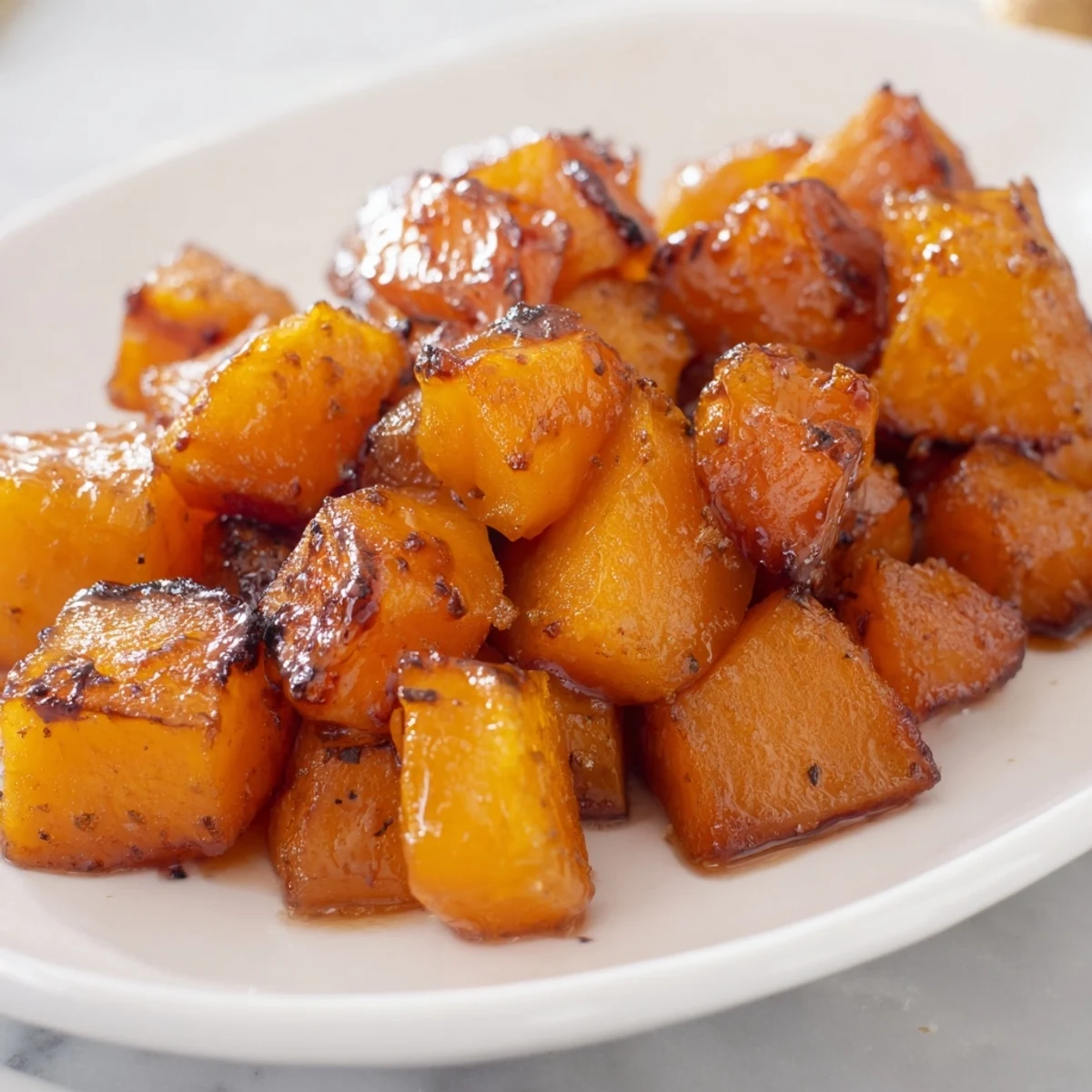
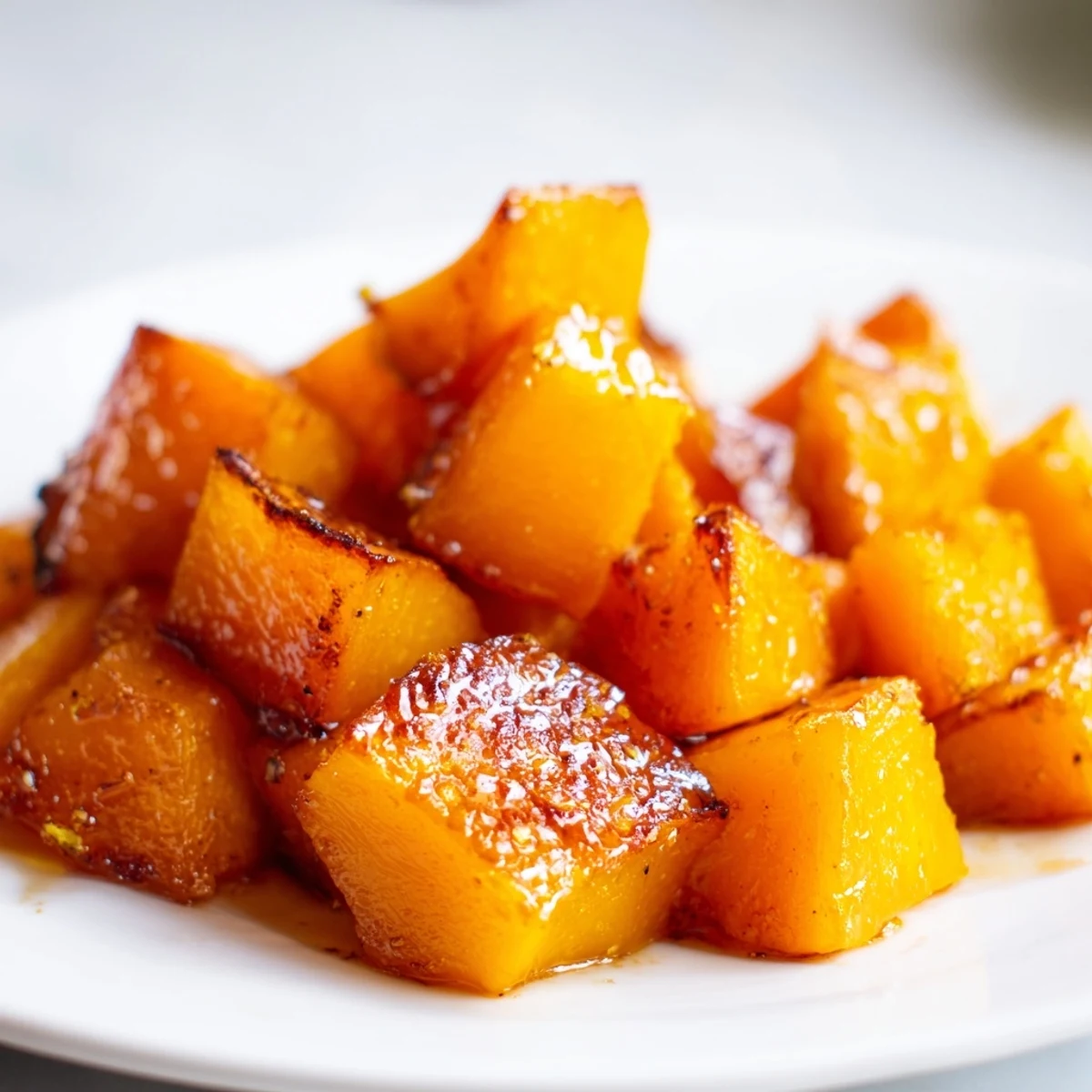
Save This dish features tender butternut squash cubes evenly coated with a sweet and spiced glaze made from brown sugar, cinnamon, nutmeg, and olive oil. Roasted at 400°F until caramelized, the squash develops a warm, rich flavor that's perfect as a cozy side for fall meals. Simple to prepare and gluten-free, it pairs beautifully with poultry or vegetarian dishes, offering a comforting balance of sweetness and spice.
I was peeling butternut squash one October afternoon when my neighbor knocked, drawn by the smell of cinnamon drifting through the window. She asked what I was making, and I realized I didnt have a name for it yet, just squash, sugar, and a hunch. That batch turned golden and sticky in the oven, and by the time it cooled, I knew it would show up on my table every autumn after.
I brought this to a potluck once and watched a kid who swore he hated vegetables go back for thirds. His mom gave me a look that said thank you and also what did you do to this squash. I just shrugged, but inside I was smiling, because sometimes all it takes is a little brown sugar and heat to change someones mind.
Ingredients
- Butternut squash: Choose one that feels heavy for its size, the flesh should be firm and sweet, and peeling it is easier if you microwave it for 30 seconds first.
- Olive oil: This helps the sugar stick and keeps the squash from drying out, so dont skip it even if youre tempted.
- Light brown sugar: Packed tight, it melts into a glaze that clings to every cube and gives you those dark, candied edges.
- Cinnamon: The warmth here is gentle, not overpowering, just enough to make the kitchen smell like fall.
- Nutmeg: Freshly grated is best, but the pre ground kind works too, it adds a quiet depth you notice without naming.
- Kosher salt: It balances the sweetness and makes the squash taste more like itself, not just like sugar.
- Black pepper: Just a pinch wakes everything up and keeps it from tipping too far into dessert territory.
Instructions
- Preheat and prep:
- Set your oven to 400°F and line a baking sheet with parchment paper while you work. The parchment catches the drips and makes cleanup so much easier.
- Cube the squash:
- Cut the squash into rough 1 inch pieces, they dont need to be perfect, just close enough to roast evenly. Toss them into a large bowl and set it aside.
- Mix the glaze:
- Whisk together the olive oil, brown sugar, cinnamon, nutmeg, salt, and pepper in a small bowl until it looks like wet sand. Pour it over the squash and toss with your hands until every piece is coated.
- Arrange and roast:
- Spread the squash in a single layer on the baking sheet, give them space or they will steam instead of caramelize. Roast for 30 to 35 minutes, flipping halfway through, until the edges are dark and sticky.
- Serve warm:
- Transfer to a serving dish while still hot, the glaze will firm up as it cools but the squash stays tender. If you have fresh thyme or parsley, scatter a little on top.
 Save
Save The first time I made this for Thanksgiving, I doubled the batch and still ran out before the turkey was gone. My brother in law, who usually ignores vegetables, stood at the counter eating the last pieces straight from the pan. That is when I knew this recipe had earned its place.
Choosing Your Squash
Butternut is my go to because it is sweet and easy to find, but acorn squash works beautifully too, especially if you leave the skin on for extra texture. Delicata is another favorite, it roasts faster and the skin gets crispy, almost like a chip.
Making It Your Own
A pinch of cayenne pepper added to the glaze gives it a gentle heat that sneaks up on you, and a drizzle of maple syrup before roasting turns the whole thing into something that borders on candy. I have also tossed in pecans during the last 10 minutes for crunch, and no one complained.
Storing and Reheating
Leftovers keep in the fridge for up to three days in an airtight container, and they reheat well in a hot oven or even a skillet. The microwave works in a pinch, but you lose some of that caramelized edge. I have eaten cold leftovers straight from the container for breakfast, and I am not sorry about it.
- Reheat at 375°F for about 10 minutes to crisp the edges again.
- Add a splash of water if the squash seems dry after storing.
- Freeze cooked squash for up to a month, but the texture softens a bit when thawed.
 Save
Save This dish does not need much, just heat, time, and a little attention, and it gives back more than you put in. I hope it finds a spot on your table, the way it found one on mine.
Recipe FAQs
- → What type of squash is best for this dish?
-
Butternut squash is preferred for its sweet, tender flesh, but acorn or delicata squash can be used as alternatives.
- → How do I achieve a caramelized finish on the squash?
-
Roast the squash at 400°F for 30–35 minutes, turning once halfway to ensure even caramelization.
- → Can I adjust the sweetness level?
-
Yes, you can add more or less brown sugar, or try a drizzle of maple syrup for a different sweetness profile.
- → Are there any recommended seasonings to enhance flavor?
-
The glaze includes cinnamon and nutmeg, which complement the squash's natural sweetness; a pinch of cayenne pepper can add a subtle heat.
- → Is this suitable for special diets?
-
Yes, this dish is vegetarian and gluten-free, making it suitable for many dietary preferences.