
 Save
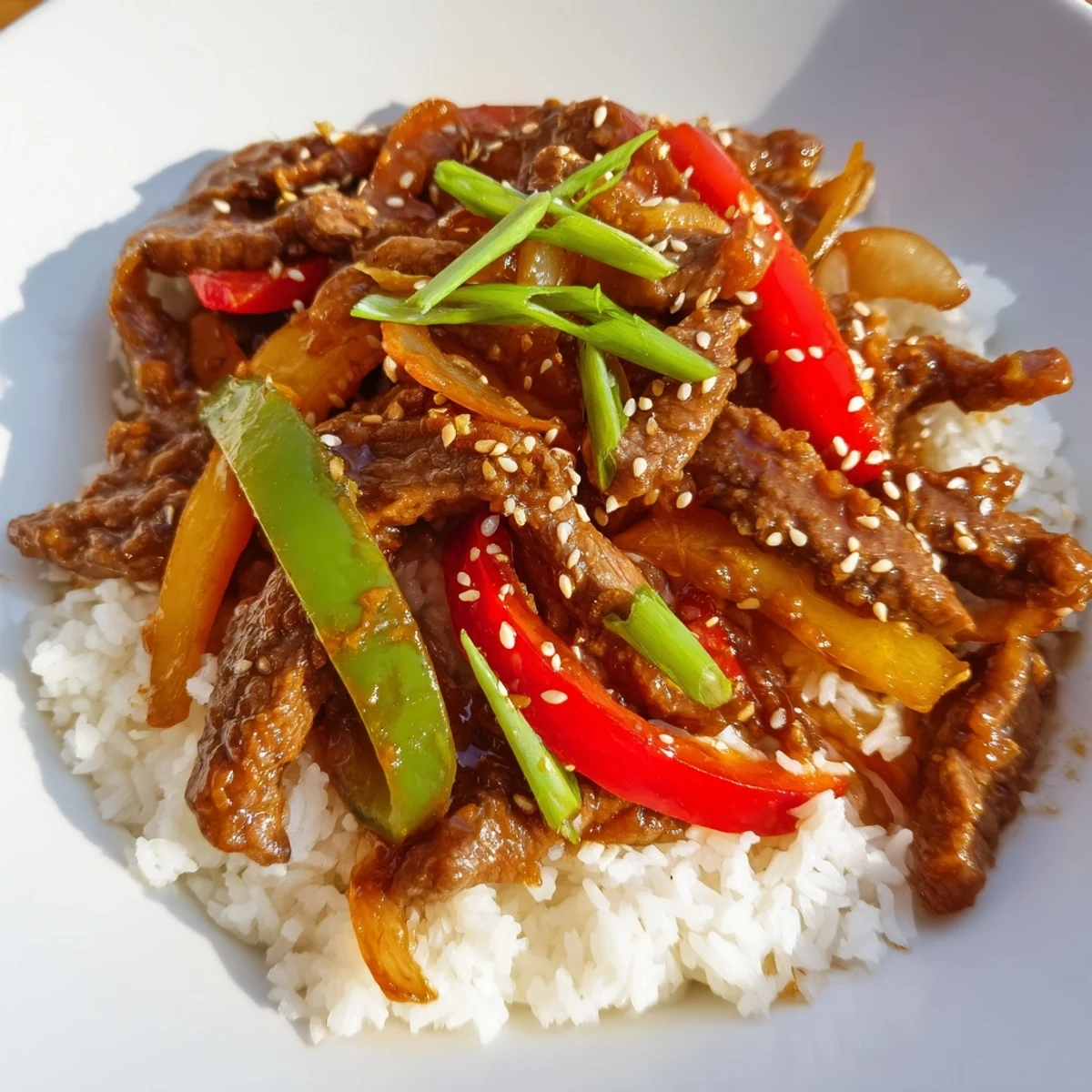
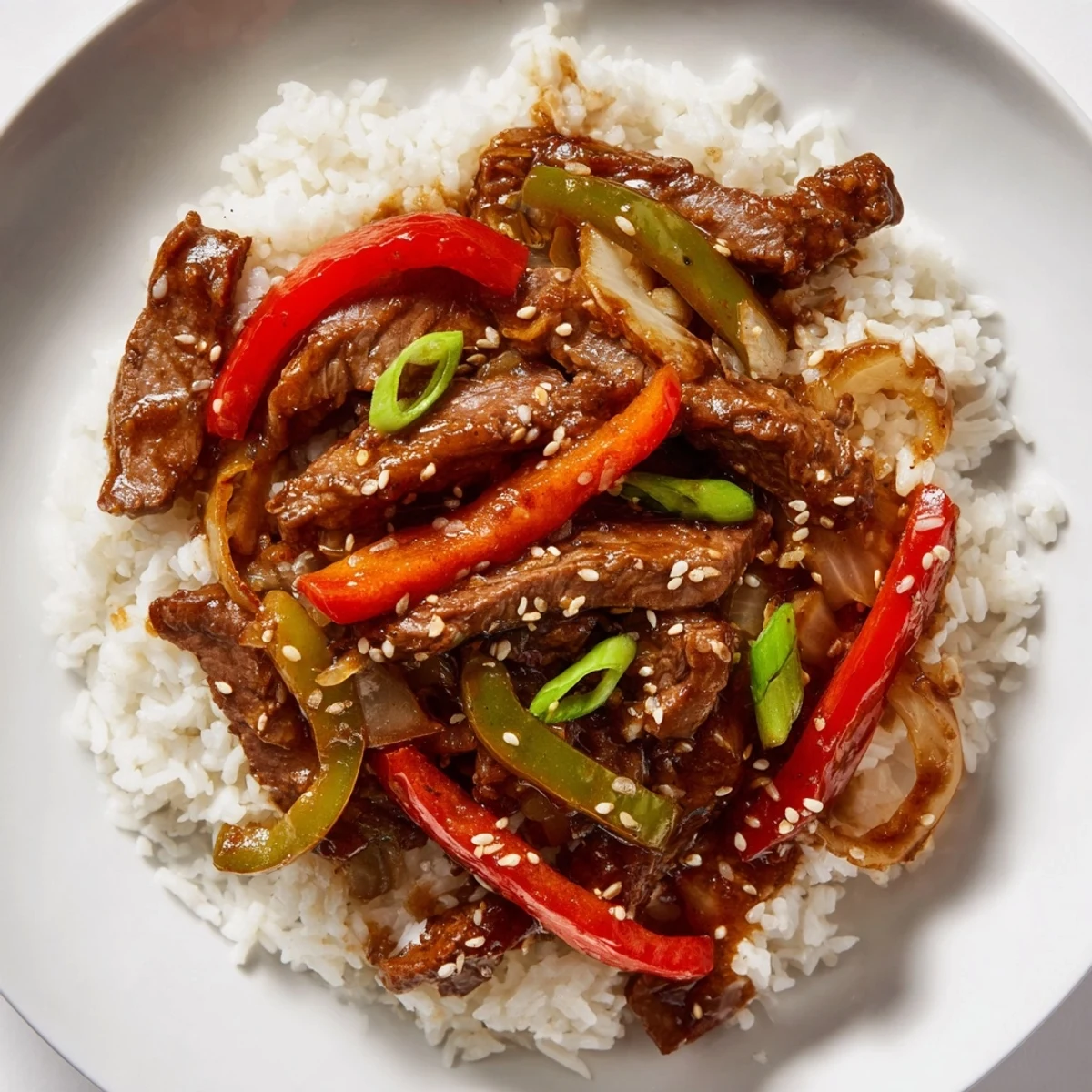
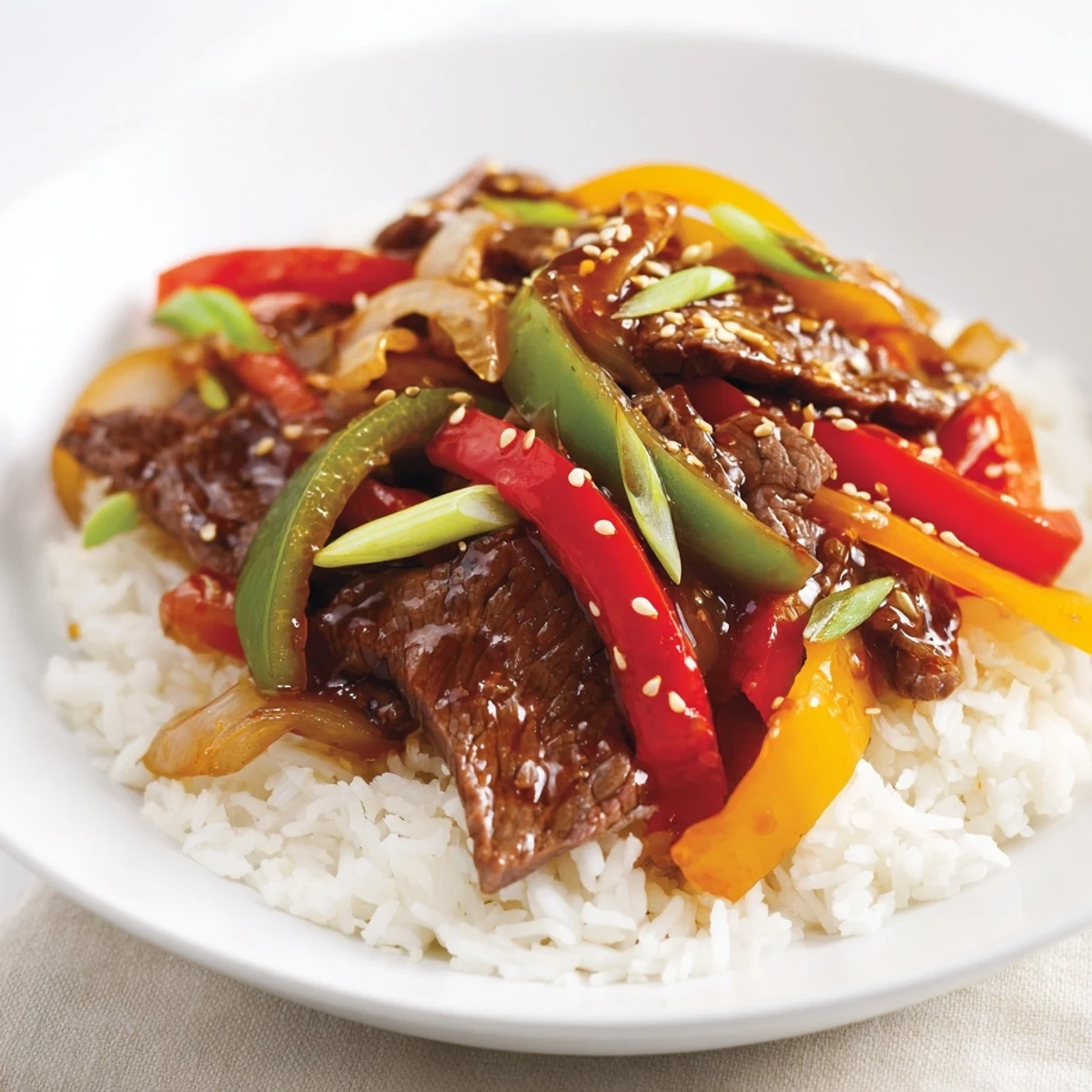
Save This dish features tender beef sliced thin and quickly cooked with a mix of red, green, and yellow bell peppers to deliver a colorful, spicy stir fry. The savory sauce blends soy, oyster, chili garlic, and rice vinegar for a harmonious balance of flavors. Served over fluffy jasmine rice, it offers a quick and tasty meal option. Ingredients like garlic, ginger, and sesame oil add aromatic depth, while a cornstarch slurry thickens the sauce for a perfect glossy finish.
Ideal for busy weeknights, this hassle-free dish comes together within 35 minutes and can be easily customized with fresh chili, alternative proteins, or different rice bases, offering flexibility to suit flavor and dietary preferences.
There's something about the sizzle of beef hitting a screaming hot wok that still surprises me every time. My neighbor taught me this stir fry years ago when she caught me struggling with a sad, overcooked dinner, and within fifteen minutes I understood what real wok cooking meant—the speed, the sound, the way everything comes together in one glorious pan. Now whenever I make it, I'm transported back to her kitchen, learning that the secret wasn't fancy ingredients but respect for high heat and timing. This version has become my go-to when I want something that feels impressive but doesn't demand hours of work.
I made this for my partner on a random Tuesday when the weather suddenly turned cold, and watching them devour it like they hadn't eaten in weeks made me realize cooking doesn't need an occasion. The kitchen smelled like garlic and sesame, steam rose from the rice cooker, and for twenty minutes the world felt exactly the right size. Those are the dinners I actually remember, not the fancy ones.
Ingredients
- Flank steak (450 g): Slicing it thinly against the grain is the move that changes everything—it stops the meat from being chewy and lets it cook in seconds instead of becoming shoe leather.
- Red, green, and yellow bell peppers: The mix of colors is not just pretty; each one has a slightly different sweetness and adds layers to the whole dish.
- Onion (1 medium): Slice it thin so it softens quickly without turning mushy, which took me a couple of tries to get right.
- Vegetable oil (2 tbsp): Use something with a high smoke point like canola or sunflower—olive oil will taste bitter and defeated here.
- Garlic and ginger (3 cloves and 1 tbsp): Mince these small and add them quickly to the hot oil so they perfume the whole pan without burning.
- Soy sauce (3 tbsp): This is the backbone of your sauce; low-sodium works if you're watching salt, and you can always add more to taste.
- Oyster sauce (1½ tbsp): It sounds mysterious but it's just umami and sweetness working together in sauce form.
- Chili garlic sauce (1 tbsp): Start here and taste as you go if you're heat-sensitive; you're in charge of the fire level.
- Rice vinegar (1 tbsp): This keeps everything bright instead of heavy and dull.
- Sugar, sesame oil, and cornstarch slurry: Together they thicken the sauce and give it that glossy, restaurant-quality finish that feels like a small victory.
- Jasmine or long-grain white rice (300 g): Jasmine has a subtle floral note that pairs beautifully, but use whatever you have.
- Spring onions and sesame seeds: These are your finish line—they add freshness and a little crunch when everything else is soft.
Instructions
- Start your rice first:
- Get it going before you do anything else so it's warm and fluffy when the stir fry is done. Nothing worse than hot food sitting on cold rice.
- Mix your sauce in advance:
- Whisk together soy sauce, oyster sauce, chili garlic sauce, rice vinegar, sugar, and sesame oil in a small bowl, then stir in the cornstarch slurry. Having it ready means you're not fumbling around once the pan is screaming hot.
- Sear the beef hard and fast:
- Heat 1 tbsp oil in your wok or large skillet over high heat until it's shimmering and just starting to smoke. Lay the beef strips flat in a single layer and don't move them for 1–2 minutes—you want a brown crust, not gray and sad meat. Remove and set aside the moment it's no longer raw on the outside.
- Build your flavor base:
- Add the remaining oil to the hot pan and immediately scatter in the onion, garlic, and ginger. Stir constantly for about 30 seconds until your kitchen suddenly smells incredible and the raw bite of garlic disappears.
- Get the peppers just right:
- Add your bell peppers and keep moving them around the pan for 2–3 minutes. You want them softened but still with some tension when you bite into them, not collapsed into mush.
- Bring everything home:
- Return the beef to the pan, pour in your sauce, and keep stirring for another 2–3 minutes. Watch as it transforms from loose and slippery into something glossy and clingy that coats every piece of beef and pepper.
- Serve immediately:
- Spoon this over your warm rice, scatter spring onions and sesame seeds on top if you have them, and eat it while it's still hot and the peppers still have that slight snap.
 Save
Save I once made this for friends who showed up unannounced, and the whole thing came together so fast that I had them sitting at the table within half an hour, feeling like a genius I definitely am not. Watching people eat food you made with simple ingredients and good timing is a small kind of victory that lingers longer than you'd expect.
Finding Your Heat Level
The chili garlic sauce is the easy knob to turn for spice, but there are other ways to turn up the volume if you want to. A few sliced fresh chilies thrown in with the peppers will add fresh heat that builds as you eat, while red pepper flakes scattered on top at the end give you bursts of spice without cooking them down. I learned the hard way that cooking chilies longer makes them taste smoky and bitter rather than bright, so if you're doing the fresh chili route, add them toward the end of cooking like the peppers.
Variations and Swaps
Beef is what I made this with first, but the sauce works beautifully with almost anything else in your fridge. Chicken breast cut thin will cook even faster than the beef, though it needs slightly less searing time so it doesn't dry out. Tofu works if you press it well and give it a little time in the hot oil to develop some color before you build the rest of the dish around it.
The Rice Question
Jasmine rice is my first choice because it soaks up the sauce without becoming heavy, but long-grain white rice works just as well if that's what you have. Brown rice will need more liquid and longer cooking, so adjust your water accordingly and let it simmer a few extra minutes before you start on the stir fry part. If you're trying to keep things lighter, cauliflower rice works too, though it'll lose its bite if you're not careful, so add it to the pan at the very end.
- Jasmine's subtle sweetness complements the spicy sauce without fighting it.
- Cooked rice that's been sitting a few hours actually works better than fresh rice because the grains separate more easily.
- Make extra rice because someone will want seconds, and cold rice fried in a pan becomes breakfast tomorrow.
 Save
Save This stir fry has become my answer to the question of what to cook when I want something that tastes like I tried but doesn't require the energy to actually try very hard. It's the kind of dish that reminds you cooking doesn't need to be complicated to be delicious.
Recipe FAQs
- → How can I add more heat to the stir fry?
-
For extra spiciness, add sliced fresh chili peppers or a pinch of red pepper flakes during cooking to increase the heat level.
- → What cut of beef works best for this dish?
-
Flank steak thinly sliced against the grain is ideal as it cooks quickly and stays tender in the stir fry.
- → Can I substitute the beef with other proteins?
-
Yes, chicken, tofu, or shrimp are excellent alternatives that pair well with the sauce and vegetables.
- → What type of rice complements this stir fry?
-
Jasmine or long-grain white rice is preferred as it remains fluffy and soaks up the sauce nicely.
- → How do I achieve the right sauce consistency?
-
Mixing cornstarch with water and adding it to the sauce helps thicken it to a glossy, clingy texture perfect for coating the ingredients.