
 Save
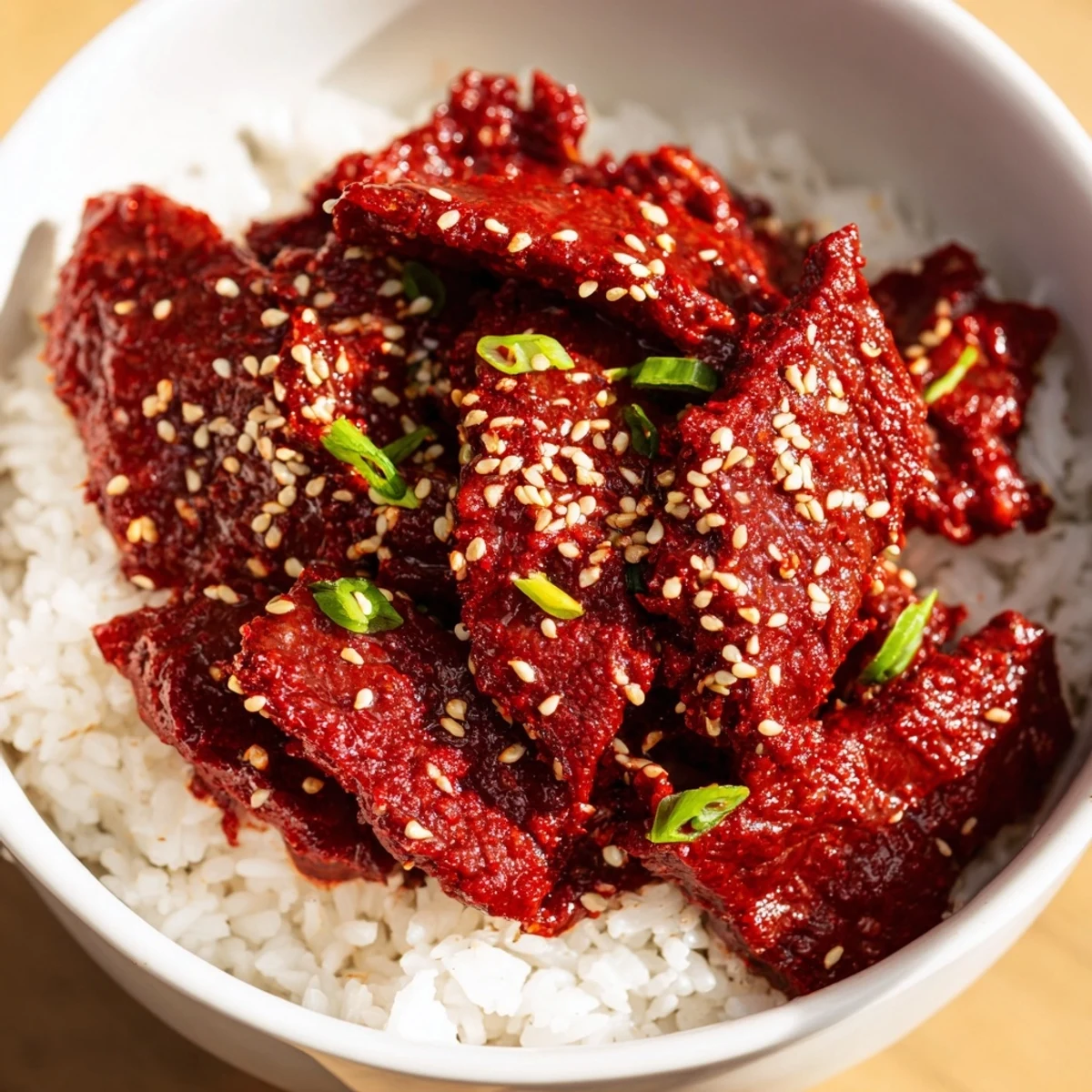
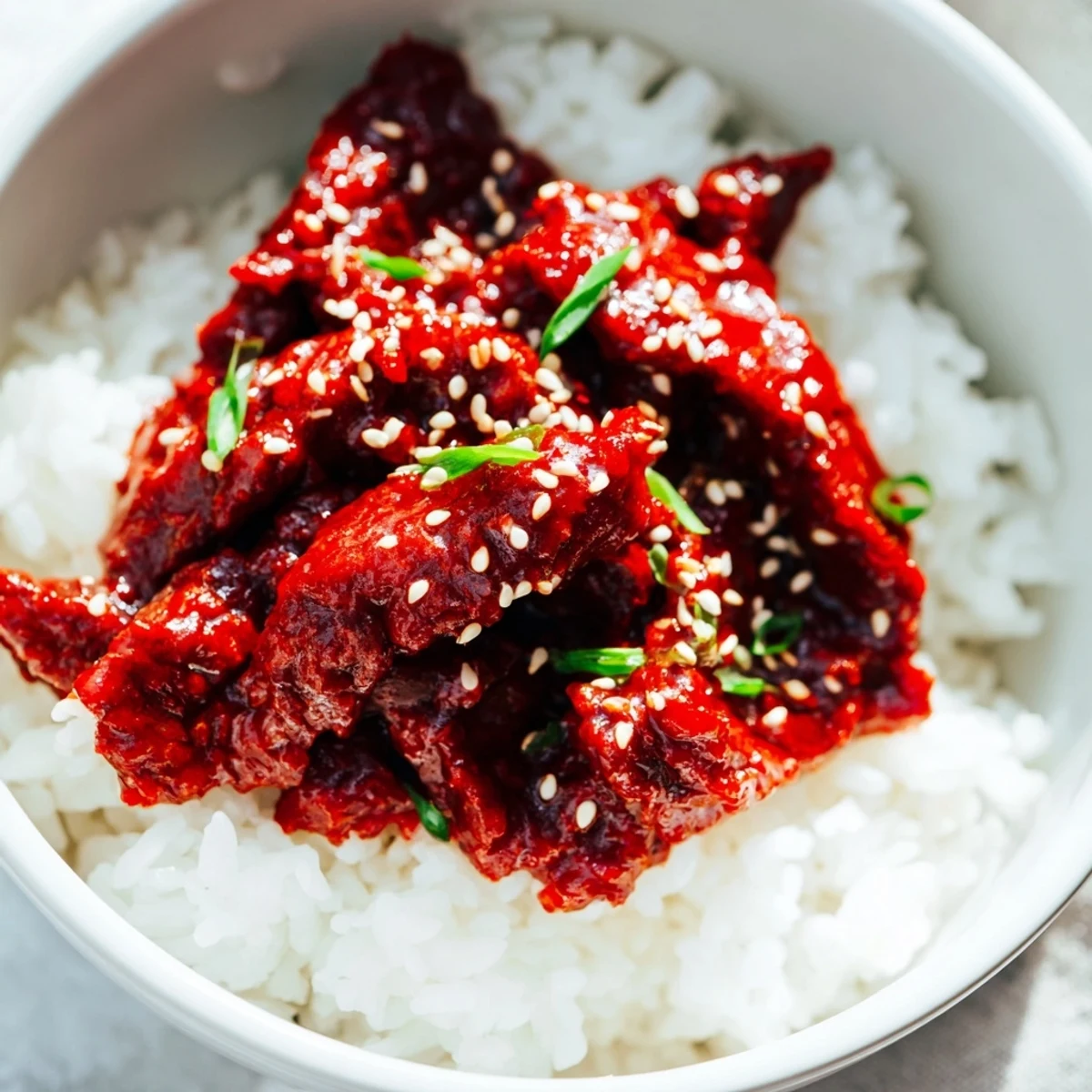
Save This dish features thinly sliced beef marinated in a spicy-sweet blend of gochujang, soy, and honey, quickly stir-fried to retain tenderness and flavor. Served atop fluffy jasmine rice with fresh carrot, cucumber, kimchi, and garnished with scallions, toasted sesame seeds, and optional nori strips, it offers a satisfying balance of heat and savory notes. Simple to prepare in under 40 minutes, it's a vibrant main dish perfect for weeknight meals or gatherings.
I discovered this bowl on a chilly evening when I had beef, rice, and gochujang but no real plan. Instead of stress, I mixed what I had into something that tasted like a Korean restaurant I'd visited once, all warm spice and sweet depth. That night taught me that the best meals often come from working with what's on hand rather than following a script.
I made this for friends on a random weeknight, and watching them go quiet for a moment after that first bite—that's when I knew it was something special. The bowl sits so beautifully in the kitchen light, colors everywhere, and suddenly everyone's leaning forward asking what's in the sauce.
Ingredients
- Beef sirloin or flank steak (500 g, thinly sliced): The thinner you slice it, the faster it cooks and the more surface area for that glorious sauce to grip onto.
- Cornstarch (1 tbsp): This tiny amount does something magical—it helps the beef brown beautifully and gives the sauce its silky finish.
- Soy sauce (3 tbsp): The backbone of the sauce; use the good kind if you have it because you'll taste the difference.
- Gochujang (2 tbsp): Korean red chili paste with a sweetness underneath that makes it more than just heat; it's what makes this taste like Korea in a bowl.
- Brown sugar (1 tbsp): Balances the chili heat with gentle sweetness so nothing tastes one-dimensional.
- Sesame oil (1 tbsp): A little goes so far; this is where half the aroma comes from.
- Rice vinegar (2 tsp): Adds brightness that keeps everything from feeling heavy.
- Garlic (3 cloves, minced): Mince it fine so it melts into the sauce rather than sitting in chunks.
- Fresh ginger (2 tsp, grated): Ginger on a microplane stays lighter and distributes more evenly than chunks.
- Honey (1 tbsp): A touch of honey rounds out the spice in a way sugar can't quite do alone.
- Red pepper flakes (1 tsp, optional): Only if you want your guests reaching for water; otherwise, the gochujang gives enough heat.
- Jasmine or short-grain rice (2 cups): Jasmine has a gentle sweetness that plays well with the bold sauce; short-grain holds everything better.
- Water (4 cups): Standard ratio for perfect rice every time.
- Salt (½ tsp): Just enough to season the rice without overpowering.
- Carrot (1 medium, julienned): The sweetness and crunch keep the bowl from being all sauce.
- Cucumber (1 cup, thinly sliced): Cool and crisp against the warm spiced beef.
- Kimchi (1 cup): The funk and ferment here tie everything to Korean tradition.
- Scallions (2, thinly sliced): Slice them fresh right before serving so they stay snappy.
- Toasted sesame seeds (2 tbsp): Toast them yourself if you can; the difference is real.
- Nori sheets, thinly sliced: Optional, but it adds a whisper of ocean and visual drama.
Instructions
- Rinse and cook your rice:
- Cold water over the rice, swirl until the water runs mostly clear—this stops the rice from getting gummy. Combine with water and salt, bring to a boil, then cover and drop the heat down low for 15 minutes until the liquid disappears. Let it rest covered for 5 minutes; this is when the rice finishes cooking in its own steam.
- Build your sauce:
- Mix soy sauce, gochujang, brown sugar, sesame oil, rice vinegar, minced garlic, ginger, honey, and red pepper flakes in a bowl. Stir it smooth so the gochujang dissolves evenly instead of sitting in clumps.
- Coat the beef:
- Get the beef ready:
- Toss your sliced beef with cornstarch until every piece has a light coating, then pour in about half the sauce and mix it around. Let it sit for 10 minutes while you finish prepping vegetables; the beef will absorb flavors and the cornstarch will help it brown.
- Sear the beef hot and fast:
- Heat your skillet or wok over high heat until it's almost smoking. Add the marinated beef in a single layer and don't touch it for the first minute—let it get brown and crusty on one side. Stir and cook another 2–3 minutes until it's browned on the outside but still tender inside. Pour in that reserved marinade and let it bubble for 1–2 minutes, coating everything in glossy sauce.
- Assemble your bowls:
- Fluff the rice with a fork so each grain stays separate and light. Divide it between 4 bowls, then arrange the hot beef and its sauce in the center with piles of raw carrot, cool cucumber, and kimchi around it.
- Finish with life:
- Scatter scallions, sesame seeds, and nori strips across the top right before serving so everything tastes and looks as fresh as possible.
 Save
Save There's a moment when you place this bowl in front of someone and watch them take in all the color and texture at once before they even taste it. That moment of quiet appreciation before the first bite—that's when you know you've made something that matters.
Why the Sauce Matters So Much
This sauce is the whole story of the bowl. Gochujang brings the depth, sesame oil whispers in the background, honey prevents the chili from turning harsh, and vinegar keeps everything bright instead of heavy. I learned early on that rushing through the sauce mixing means a less cohesive flavor, so I take an extra 30 seconds to make sure the gochujang dissolves smoothly. The beef is really just a vehicle for getting this sauce into your mouth.
Building Your Own Variations
Swap the beef for chicken thighs and add a few extra minutes of cooking time; the sauce clings to chicken beautifully and tastes just as good. Tofu needs a lighter touch—press it first, cut it thick, and let it warm through in the sauce rather than stir-frying. Mushrooms (shiitake or oyster) become almost meaty if you let them brown well before adding the sauce. I've made this bowl probably 20 times with different proteins and the sauce handles all of them with grace.
A Few Last Thoughts Before You Cook
The raw vegetables keep this from feeling like a heavy one-pot meal; don't skip them because they're what makes you keep eating. Taste the sauce as you go and adjust the heat level to your preference—gochujang can vary in spiciness, so go slower rather than adding extra red pepper flakes and regretting it.
- Slice your beef as thin as you can manage; thinner means faster cooking and better sauce absorption.
- Have all your ingredients prepped and within arm's reach before you start cooking the beef, because once the pan is hot, everything moves fast.
- This bowl actually tastes good the next day if you store the rice and beef separately and reassemble when you're hungry, though the vegetables will soften.
 Save
Save This bowl feels like celebration in the everyday—restaurant quality in your own kitchen, on a random Tuesday, with ingredients you might already have. I keep coming back to it because it never disappoints.
Recipe FAQs
- → What cut of beef works best for this dish?
-
Thinly sliced sirloin or flank steak cooks quickly and absorbs the marinade flavors well.
- → Can I adjust the spice level?
-
Yes, modify the amount of gochujang and crushed red pepper flakes to suit your heat preference.
- → How do I make the rice fluffy?
-
Rinse the rice until water runs clear, then simmer covered until water is absorbed. Let it rest before fluffing.
- → Are there alternative proteins I can use?
-
Chicken, tofu, or mushrooms can replace beef for different textures and flavors.
- → What garnishes enhance the dish?
-
Scallions, toasted sesame seeds, and thin strips of nori add texture and visual appeal.