
 Save
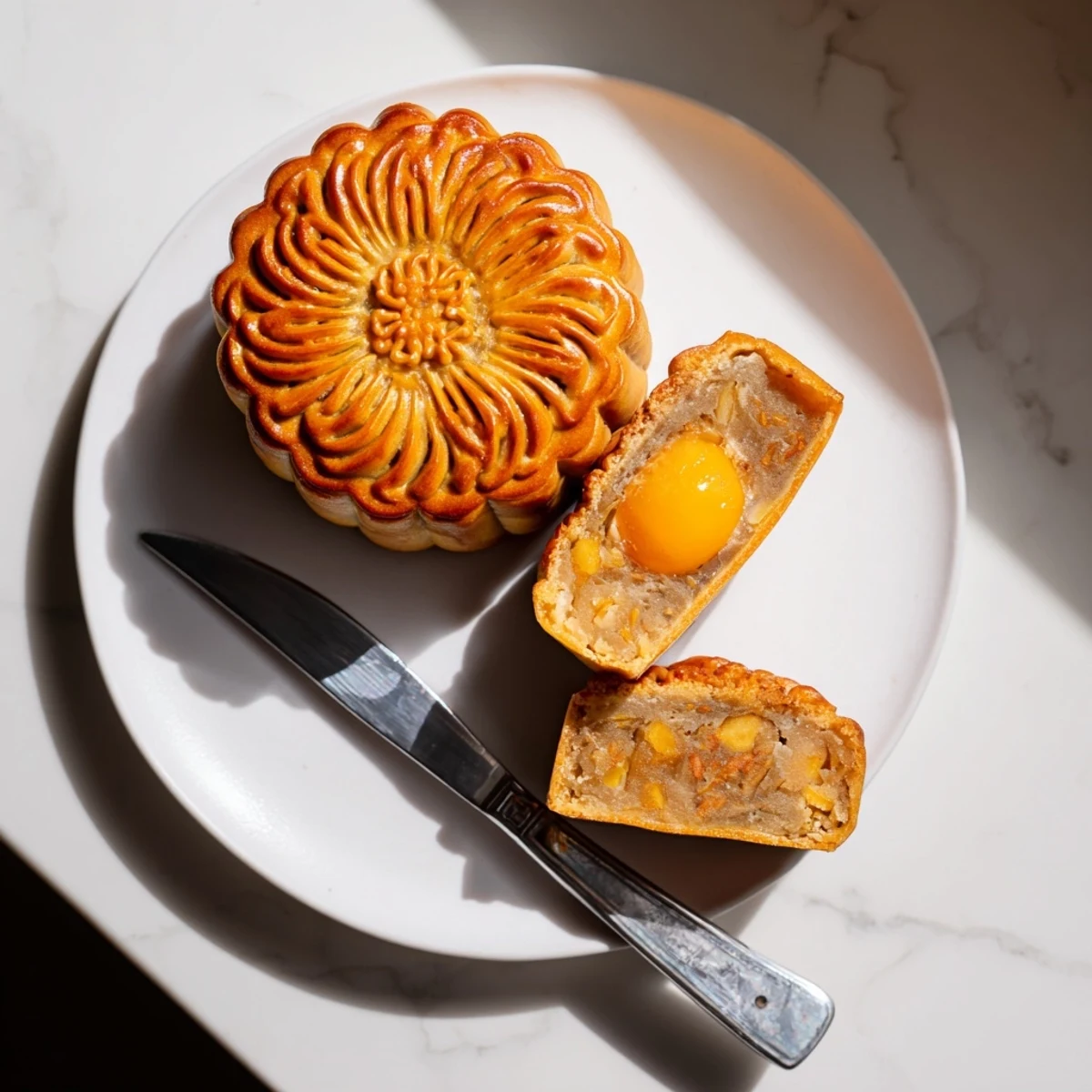
Save These traditional Chinese delicacies feature a rich, dense lotus seed filling encased in golden tender pastry. The dough combines golden syrup and alkaline water for that signature mooncake texture. Each pastry typically holds a salted egg yolk center, symbolizing the full moon. After baking, allow mooncakes to rest for 1-2 days—the skin softens beautifully while flavors meld together. Pair with Chinese tea for an authentic experience. The molding process creates intricate patterns on top, making these as stunning as they are delicious.
The first time I attempted mooncakes, I was preparing for my grandmother's Mid-Autumn Festival visit. She had been making these for decades, and I wanted to surprise her with a homemade batch. My kitchen was filled with the golden syrup's honeyed aroma, and I remember being nervous about getting the dough to pastry ratio right. When she finally bit into one that evening, under the full moon on our balcony, her quiet nod of approval meant everything.
Last autumn, I made mooncakes with my neighbor who had never tried them before. Watching her eyes widen at the first bite of the salted egg yolk center was absolutely priceless. We spent the whole afternoon pressing dough into molds, laughing at our uneven attempts, and drinking endless cups of pu'er tea. Now it's become our annual pre-festival ritual.
Ingredients
- 200 g all-purpose flour: This creates the tender pastry shell that holds everything together, and resting the dough properly is the secret to preventing cracks
- 120 g golden syrup: The amber sweetness that gives mooncakes their signature glossy finish and distinctively rich flavor profile
- 50 g vegetable oil: A neutral oil works best here, keeping the dough pliable without interfering with the traditional taste
- 1 tsp alkaline water: This essential ingredient promotes that characteristic golden brown color and adds a subtle depth to the pastry
- 500 g lotus seed paste: The smooth, creamy filling that defines traditional mooncakes, though red bean paste makes an excellent alternative
- 12 salted egg yolks: These create that coveted savory contrast cutting through the sweetness, but they are entirely optional for vegetarian versions
- 1 egg yolk and 1 tbsp water: Whisked together into a simple glaze that gives the mooncakes their beautiful burnished appearance
Instructions
- Prepare your workspace:
- Preheat your oven to 180°C (350°F) and line a baking tray with parchment paper, creating a clean assembly line for the process ahead
- Mix the wet ingredients:
- Combine the golden syrup, vegetable oil, and alkaline water in a bowl, stirring until the mixture achieves a smooth, emulsified consistency
- Form the dough:
- Add the flour to your wet mixture and mix gently until a soft dough forms, then cover it and let it rest for 30 minutes to relax the gluten
- Prepare the filling:
- Divide the lotus seed paste into 12 equal portions of about 40 g each, and if using salted egg yolks, nestle one into the center of each paste ball before shaping
- Portion the dough:
- After resting, divide your dough into 12 equal pieces of approximately 25 g each, keeping them covered to prevent drying
- Wrap the filling:
- Flatten one dough piece into a disc, place a filling ball in the center, and gently work the dough around it until completely sealed
- Mold the mooncakes:
- Lightly dust each filled ball with flour, press it firmly into a floured mooncake mold, then invert to release the shaped pastry onto your tray
- Initial baking:
- Bake for 5 minutes, then remove and let cool for 10 minutes, which helps set the pattern before glazing
- Apply the glaze:
- Whisk the egg yolk with water, then brush a thin layer over the cooled mooncakes, being careful not to obscure the intricate designs
- Finish baking:
- Return to the oven for 15-20 minutes until golden brown, then cool completely before storing in an airtight container
 Save
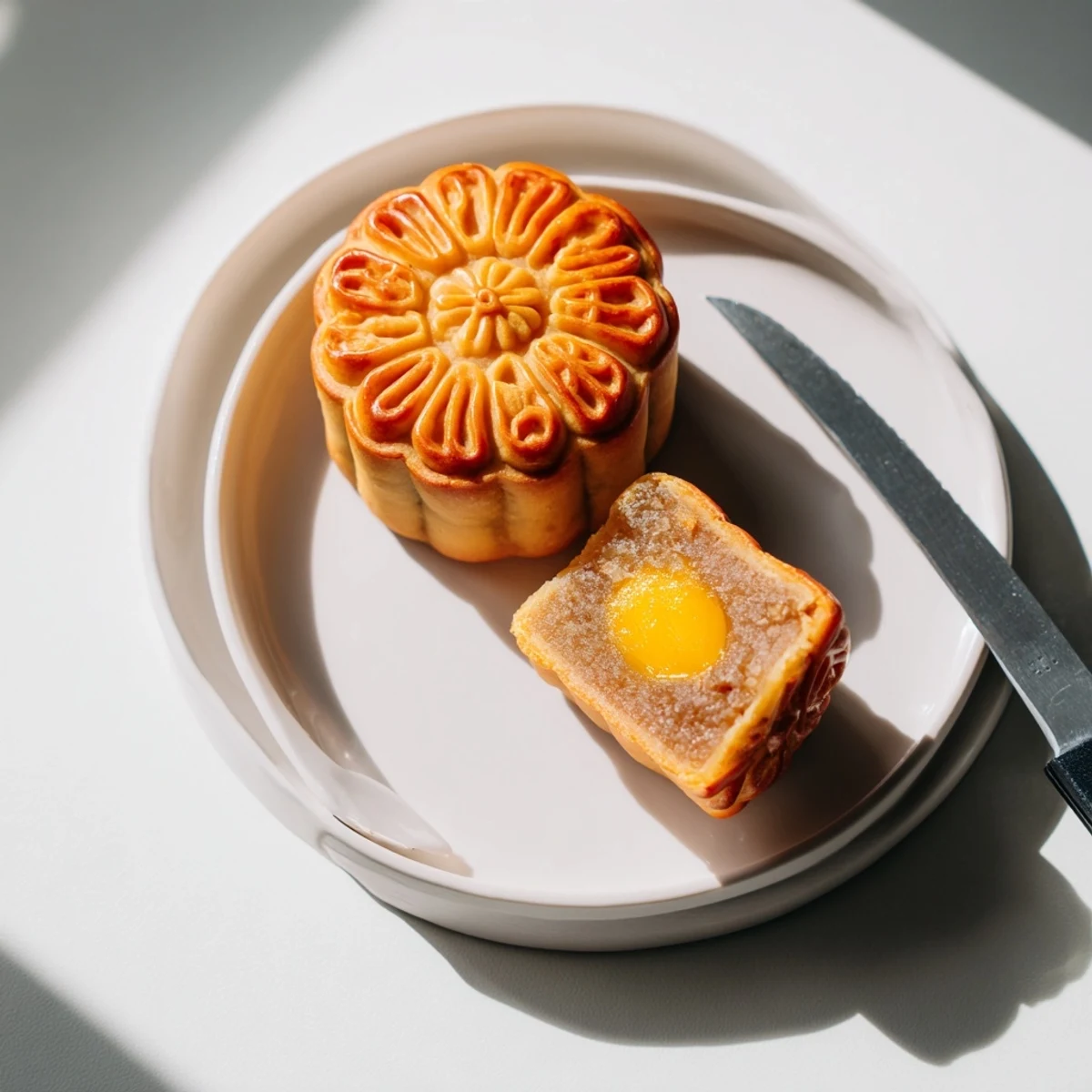
Save There is something deeply satisfying about cutting into a mooncake you have made yourself and seeing the neat layers reveal themselves. My niece now requests these every year, and watching her carefully examine each cross-section before eating has become its own kind of joy.
Choosing the Right Filling
While lotus seed paste is the traditional choice, do not be afraid to experiment with red bean paste or black sesame paste. Each brings its own character to the mooncake, and I have found that family members often develop strong preferences for one variety over another.
Working with Mooncake Molds
A well-floured mold is your best friend in this process. I learned the hard way that sticky dough will not release cleanly, ruining those beautiful designs. Take your time dusting both the mold and the dough balls, and press firmly but gently to ensure a clean imprint.
Serving and Storage
Mooncakes are traditionally cut into small wedges and shared among family members, making them perfect for communal gatherings. They pair exceptionally well with Chinese tea, which helps balance their richness.
- Offer a selection of teas like pu'er, oolong, or jasmine to complement different filling varieties
- Cut mooncakes with a sharp knife dipped in hot water for cleaner slices
- Share these while fresh, but properly stored mooncakes will keep for several weeks
 Save
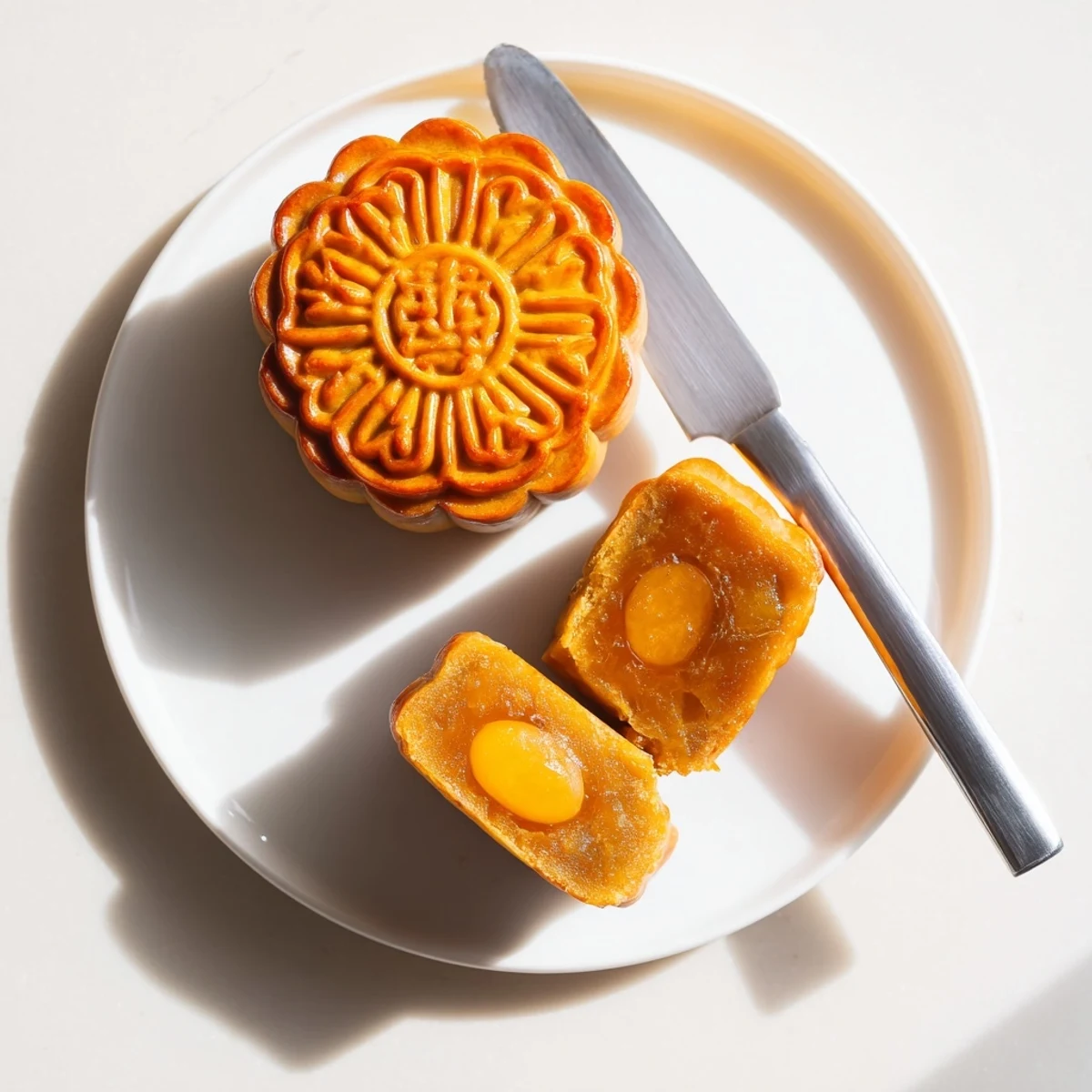
Save There is a quiet magic in making mooncakes, carrying forward traditions that have spanned generations while making them your own. May your Mid-Autumn Festival be filled with good company, sweet treats, and the warmth of shared moments.
Recipe FAQs
- → Why must mooncakes rest after baking?
-
Resting allows the pastry skin to soften and develop the characteristic tender texture. Freshly baked mooncakes have a harder exterior, but after 1-2 days in an airtight container, the moisture redistributes throughout the pastry.
- → What does alkaline water do in mooncakes?
-
Alkaline water promotes browning during baking and creates that signature golden-amber color. It also helps neutralize the acidity of golden syrup while contributing to the tender, chewy texture traditional mooncakes are known for.
- → Can I make mooncakes without a mold?
-
While molds create the traditional intricate patterns, you can shape them by hand. Flatten the dough-wrapped balls slightly and use a fork to create decorative lines on top. They won't look authentic but will taste the same.
- → What's the purpose of the two-stage baking?
-
The initial short bake sets the structure so mooncakes hold their shape. Cooling prevents glaze from running, and the second bake achieves golden color. This method prevents the intricate designs from collapsing or losing definition.
- → Why is golden syrup used instead of regular sugar?
-
Golden syrup provides moisture, chewiness, and deep caramel notes that regular sugar cannot achieve. Its thick consistency creates the tender, slightly elastic dough texture essential for authentic mooncake pastry.
- → How do I store mooncakes?
-
Keep in an airtight container at cool room temperature for up to 2 weeks. For longer storage, refrigerate for up to a month. Always bring to room temperature before serving to enjoy the optimal soft texture.