
 Save
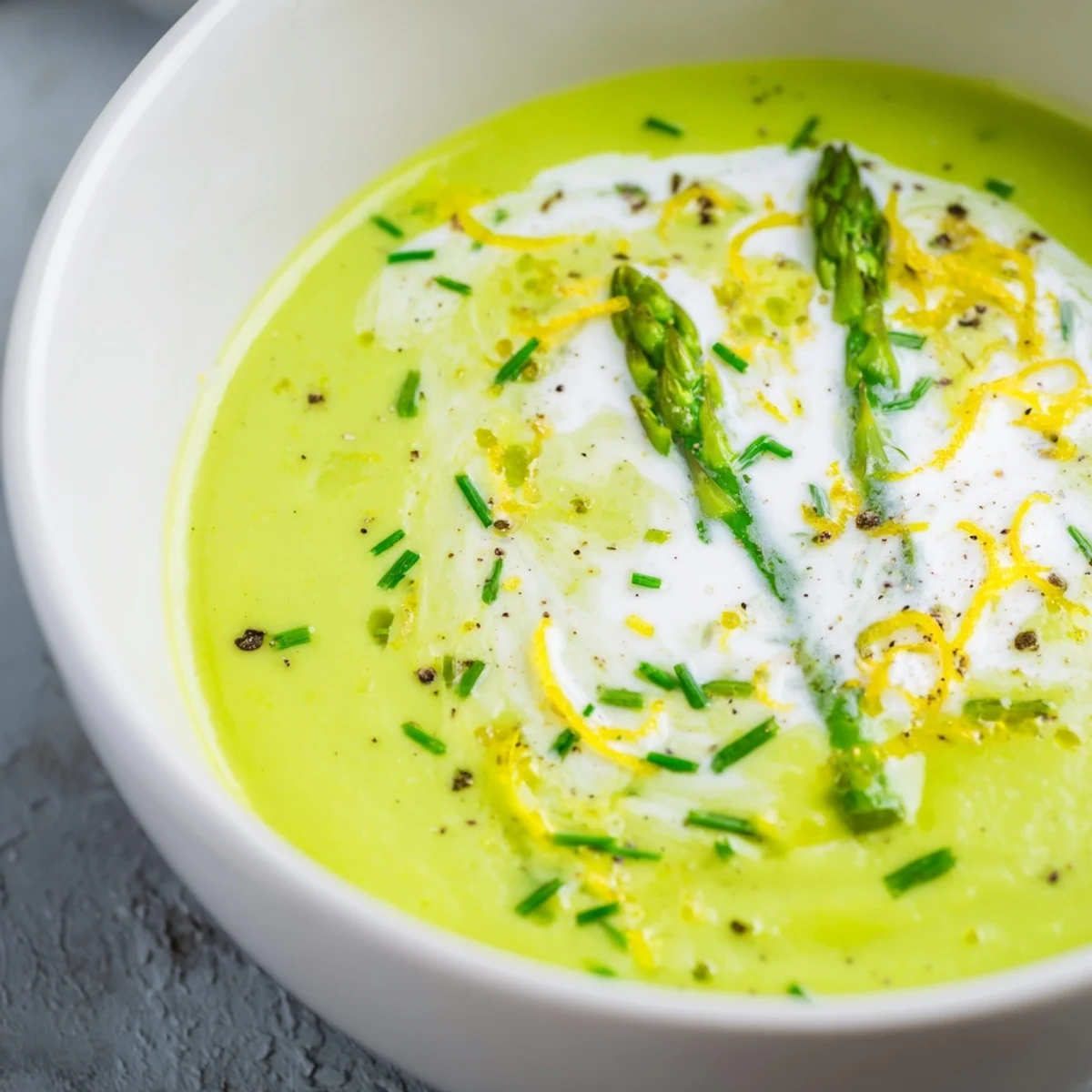
Save This creamy asparagus dish blends tender asparagus, potato, and onion, simmered gently in broth and finished with smooth cream and fresh lemon juice. Aromatic spices like nutmeg and a touch of butter bring warmth, while lemon zest adds brightness. Perfect for a light lunch or elegant starter, it’s easy to prepare and can be adapted for vegan diets by swapping dairy. Garnish with fresh herbs or reserved asparagus tips for a refined touch.
There's something magical about the first green bundle of asparagus that arrives at the market each spring—that's when I know it's time to make this soup. A friend once told me that the best asparagus soup tastes like springtime itself, and I've spent years chasing that exact flavor. This recipe came together one rainy April afternoon when I wanted something that felt light but still deeply satisfying, and the lemon was the secret that made it click. Now it's become my go-to when I want to feel like spring showed up in a bowl.
I made this for my neighbor last spring when she was recovering from surgery, and watching her face light up at that first spoonful taught me something about the power of simple food. She said it tasted like someone cared about her, which is exactly what I was going for. Since then, I've served it at dinner parties, lunches with friends, and quiet Tuesday nights when I just needed comfort that wasn't heavy. It has this way of fitting into almost any moment.
Ingredients
- Fresh asparagus (1 lb, trimmed and cut into 1-inch pieces): Choose asparagus that's bright green and snaps when you bend it; if it droops, it's been sitting too long and won't have that sweet spring flavor you're after.
- Yellow onion (1 medium, chopped): The foundation of the whole soup—don't skip sautéing it until it's truly soft and golden, or you'll taste the raw bite underneath everything else.
- Garlic (2 cloves, minced): Add it right after the onion so it softens together; this is not the moment to be shy with the garlic.
- Yukon Gold potato (1 medium, peeled and diced): This potato has enough starch to make the soup naturally creamy without needing more cream than you'd like.
- Vegetable broth (4 cups): Use the best broth you can find—store-bought is fine, but taste it first; a weak broth means a weak soup.
- Heavy cream (1 cup): Don't use the lightest cream you can find; the real heavy cream makes the difference in texture and richness.
- Unsalted butter (2 tbsp): This melts into the onions and becomes the base of every flavor that follows.
- Salt and black pepper: Season as you go, not all at the end; you'll understand the soup better this way.
- Freshly grated nutmeg (1/4 tsp): This is the secret whisper in the background—too much and it's weird, too little and you wonder why something feels missing.
- Fresh lemon juice (2 tbsp) and lemon zest (1 tsp): The brightness that makes this soup taste alive instead of one-dimensional; squeeze your lemon just before using it.
- Fresh chives or dill (optional garnish): If you have them, use them; they're not just decoration, they add a final lift.
Instructions
- Build the base:
- Melt the butter in a large saucepan over medium heat until it's foaming, then add the chopped onion. Let it soften for about 3 minutes, stirring often—you want it turning translucent and starting to smell sweet. Add the garlic in the last minute so it wakes up but doesn't brown.
- Add the vegetables:
- Stir in the asparagus pieces and diced potato, and let them cook together for 2 or 3 minutes. You're not trying to cook them through yet, just starting to soften their edges and let them get to know the butter.
- Simmer until tender:
- Pour in the vegetable broth and bring the whole pot to a gentle boil, then lower the heat so it simmers quietly for 15 to 18 minutes. You'll know it's ready when the asparagus breaks apart with barely any pressure and the potato is soft all the way through.
- Blend smooth:
- An immersion blender is your friend here—just use it right in the pot and blend until there are no visible pieces and the soup looks silky and pale green. If you're using a regular blender, work in batches and be careful with the hot liquid; let each batch cool slightly before blending.
- Finish it:
- Return the soup to low heat and stir in the cream, lemon juice, lemon zest, nutmeg, salt, and pepper. Warm it through gently—this is important, because boiling will make the cream separate and look grainy. Taste it and adjust the seasoning until it tastes right to you.
- Serve:
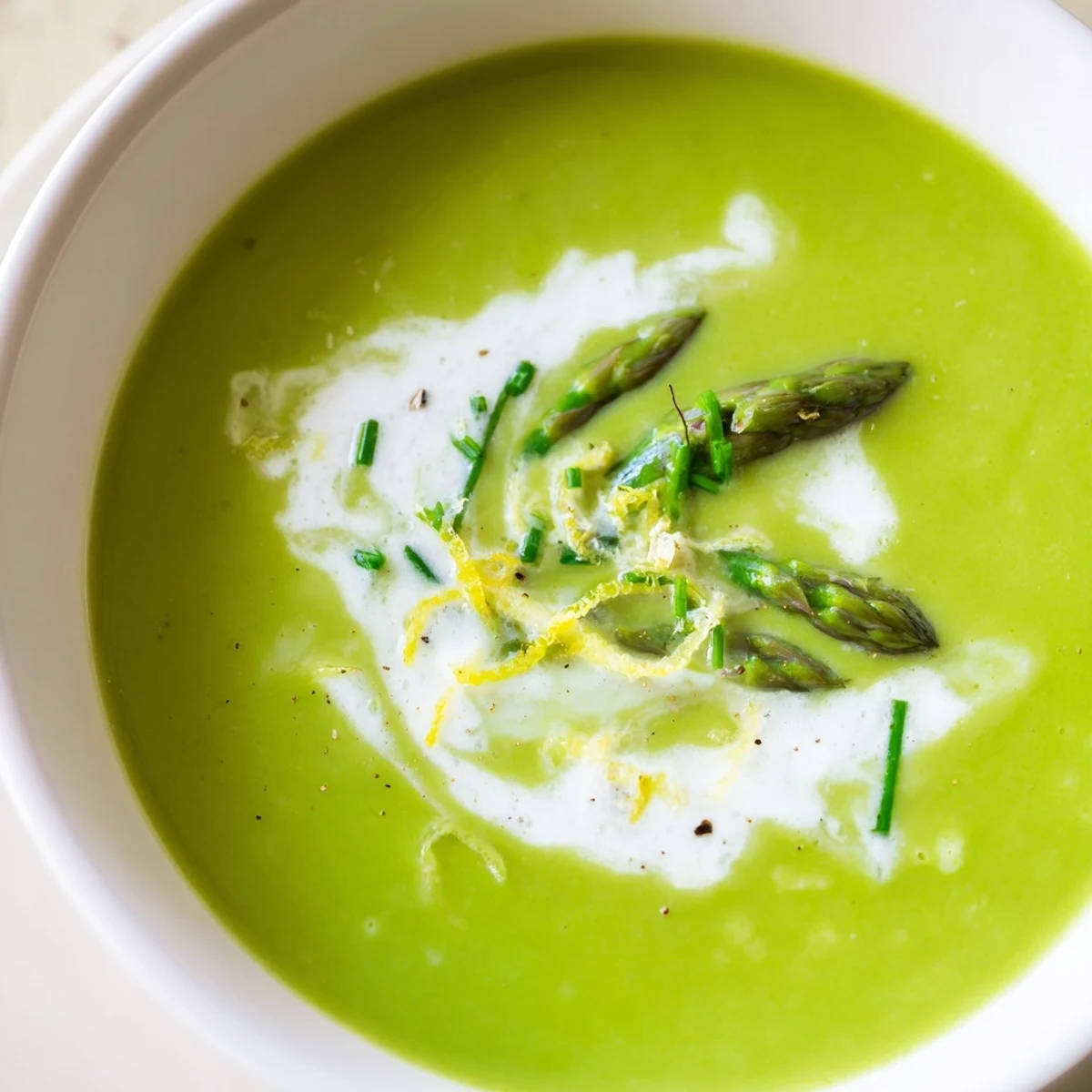
- Ladle the soup into bowls while it's still steaming, and top with the reserved asparagus tips and a small handful of fresh herbs if you have them.
 Save
Save My daughter asked me once why this soup was her favorite, and she said it was because she could taste the spring in it. That small comment stuck with me more than any compliment about the cooking technique ever could. It reminded me that the best recipes aren't really about being fancy—they're about capturing a feeling and putting it into a bowl.
Variations and Swaps That Work
Once you understand how this soup works, you can play with it. I've added a handful of fresh baby spinach right after the broth goes in, and it dissolves into the soup and adds a deeper green color without changing the taste. You can also roast the asparagus and potato together before they go into the pot if you want a slightly richer, more caramelized flavor—just add a few extra minutes to your total time. Some days I use half the cream and add a dollop of crème fraîche to each bowl instead, which tastes fresher and lighter. The soup is flexible because the foundation is strong.
Making It Vegan or Dairy-Free
Replace the butter with good olive oil and swap the heavy cream for full-fat coconut cream, which gives you the same silky texture without any dairy. The soup stays just as satisfying this way, though the flavor shifts slightly toward something warmer and more tropical. I've made it both versions for different guests, and honestly, the vegan version has converted a few skeptics. The lemon still does the heavy lifting in the flavor department, so don't skimp on it.
Serving and Pairing Ideas
This soup shows up best when you treat it like the star of the meal rather than just an opener. I serve it in shallow bowls so you can see that beautiful pale green color, and a crisp Sauvignon Blanc alongside it echoes the brightness of the lemon. A simple green salad with a lemon vinaigrette on the side makes a light lunch feel complete, or you can pair it with crusty bread if you want something more substantial. The real trick is not overthinking it—the soup speaks for itself.
- A slice of good bread with salted butter is almost always the right move with this soup.
- Make it the day before and reheat it gently on the stove; it actually tastes better the next day as the flavors settle and deepen.
- If you're serving a crowd, you can keep it warm in a slow cooker set on low for up to an hour without it losing quality.
 Save
Save This soup has become something I make without even thinking much anymore, which is probably the highest compliment a recipe can get. It's the kind of dish that reminds you why you love cooking in the first place.
Recipe FAQs
- → How do I keep the asparagus vibrant and green?
-
Cook the asparagus just until tender and blanch reserved tips separately to maintain color and texture before garnishing.
- → Can I substitute heavy cream with a dairy-free option?
-
Yes, coconut cream or plant-based alternatives work well to maintain the creamy texture without dairy.
- → What is the best method to achieve a smooth texture?
-
Use an immersion blender directly in the pot or transfer to a countertop blender for a velvety purée.
- → How can I enhance the lemon flavor without adding bitterness?
-
Incorporate fresh lemon juice and zest gently at the end of cooking to preserve brightness without bitterness.
- → What herbs pair well as a garnish?
-
Fresh chives or dill complement the flavors nicely, adding a subtle herbal note and color contrast.
- → Is this dish suitable for gluten-free diets?
-
Yes, as long as the vegetable broth is confirmed gluten-free, this dish contains no gluten ingredients.