
 Save
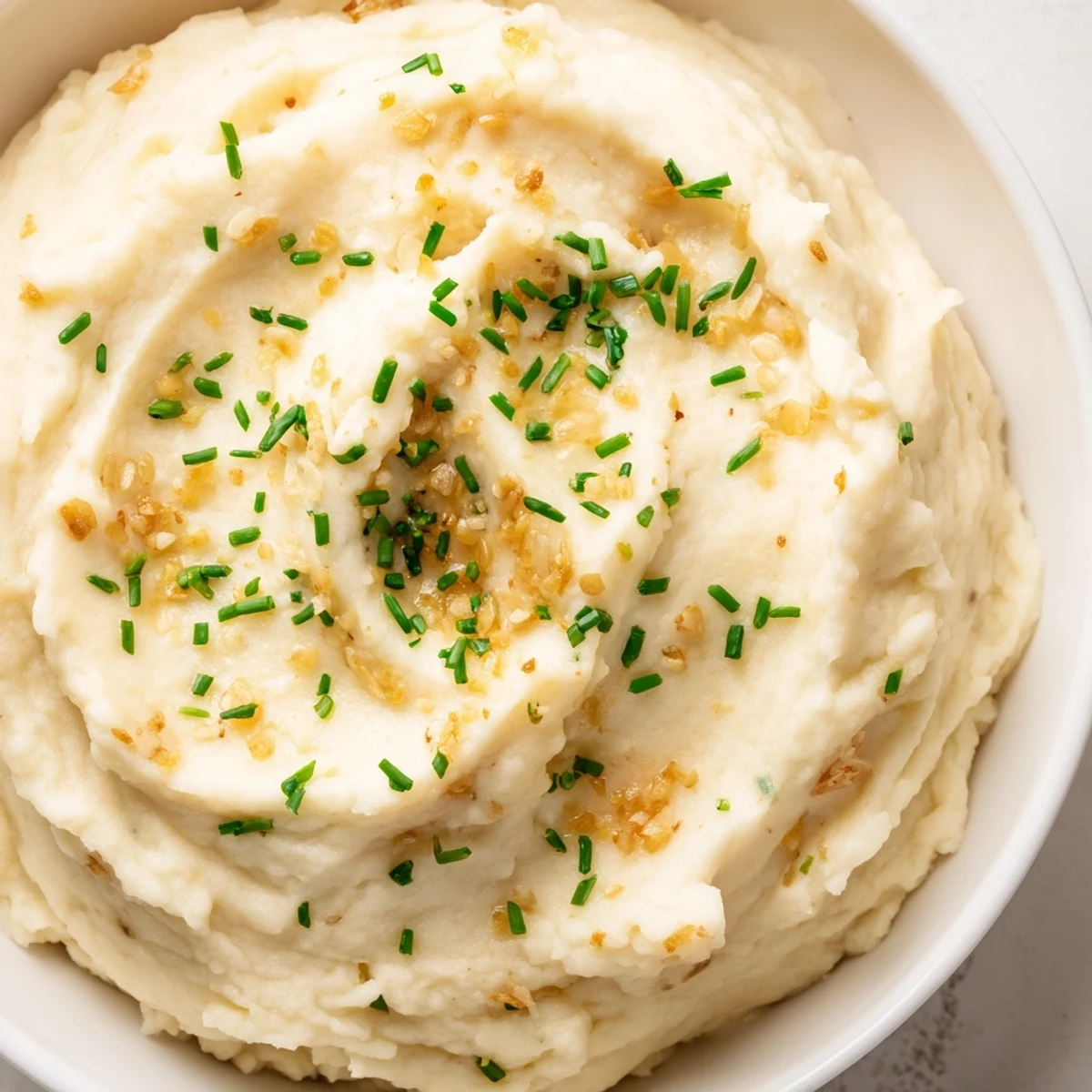
Save This dish highlights tender cauliflower infused with the deep, savory notes of roasted garlic. Cauliflower florets are boiled until soft, then blended with roasted garlic cloves, butter, cream cheese, and milk to create a smooth, creamy texture. The lightly seasoned mash offers a rich yet light alternative, garnished optionally with fresh chives. Ideal for pairing with roasted meats or vegetarian mains, it fits easily into low-carb and vegetarian meal plans with simple ingredients and straightforward preparation.
There's something almost magical about roasted garlic—how it transforms from sharp and biting into something sweet and mellow in the oven. I discovered this dish on a Tuesday night when I had cauliflower taking up space in my crisper and an ambitious idea to stop missing mashed potatoes so much. One bulb of garlic roasted golden, and suddenly everything clicked: creamy, comforting, and without the heaviness I'd been craving to escape.
I made this for my sister's dinner party last spring when she went vegetarian, and I watched people go back for seconds without realizing there wasn't a potato in sight. The roasted garlic smell had already won them over before the first bite—that's when I knew this recipe was keeper material, the kind that quietly becomes a regular on your table.
Ingredients
- Cauliflower (1 large head, about 2 lbs, cut into florets): This is your base, and cutting florets uniform-sized helps them cook at the same rate—no surprise mushy pieces mixed with firm ones.
- Garlic bulb (1 whole): Roasting mellows the sharpness into something almost nutty; don't skip this step or use jarred garlic.
- Unsalted butter (3 tablespoons): This is where richness lives, so use real butter and let it be generous.
- Cream cheese (2 tablespoons, softened): The secret to creaminess without heaviness—it emulsifies everything together beautifully.
- Whole milk (1/4 cup): Adjust this depending on how thick or loose you like your mash; dairy-free milk works too if you need it to.
- Kosher salt (1 teaspoon, plus more to taste): Taste as you go; roasted garlic is already salty in its own way.
- Freshly ground black pepper (1/4 teaspoon): Fresh ground makes a real difference in the final flavor.
- Olive oil (1 tablespoon): For roasting the garlic and drawing out its sweetness.
- Fresh chives (1 tablespoon, optional): A whisper of onion flavor and a pop of color right before serving.
Instructions
- Roast the garlic first:
- Slice the very top off your garlic bulb to expose the cloves, drizzle with olive oil, wrap the whole thing in foil, and slide it into a 400°F oven for 30-35 minutes. You'll know it's done when the cloves are soft enough to squeeze out of their skins like butter.
- Boil the cauliflower while garlic roasts:
- Bring a large pot of salted water to a rolling boil, add your cauliflower florets, and cook for 10-12 minutes until they're so tender a fork slides through without resistance. Drain really well—this step matters because excess water is the enemy of creamy mash.
- Combine everything in the food processor:
- Squeeze those soft roasted garlic cloves out of their skins directly into the processor with the drained cauliflower, butter, cream cheese, milk, salt, and pepper. Blend until completely smooth, stopping to scrape down the sides a couple of times.
- Taste and adjust:
- This is the moment to taste and decide if it needs more salt, pepper, or even a splash more milk if it's thicker than you'd like. Season to your preference.
- Serve warm:
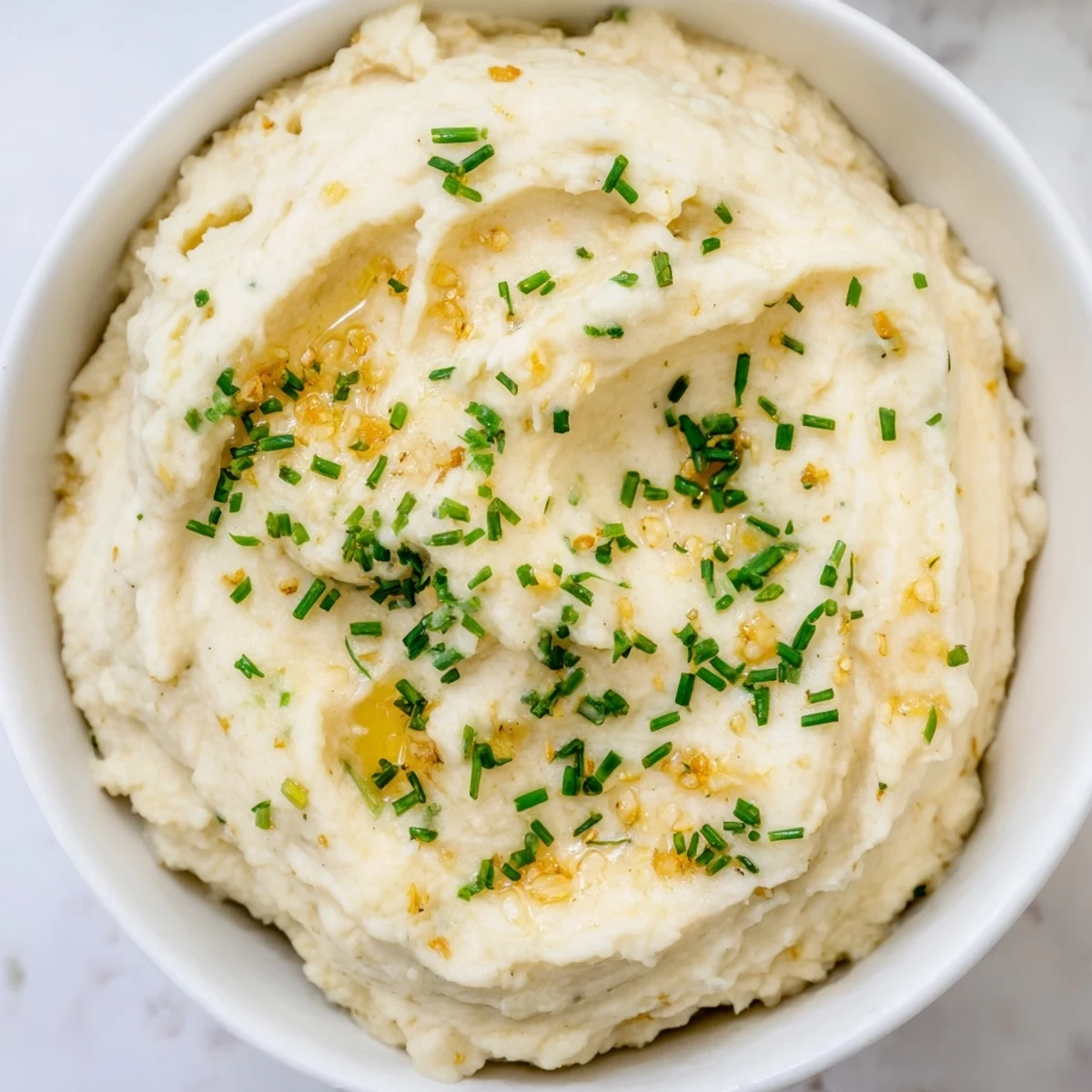
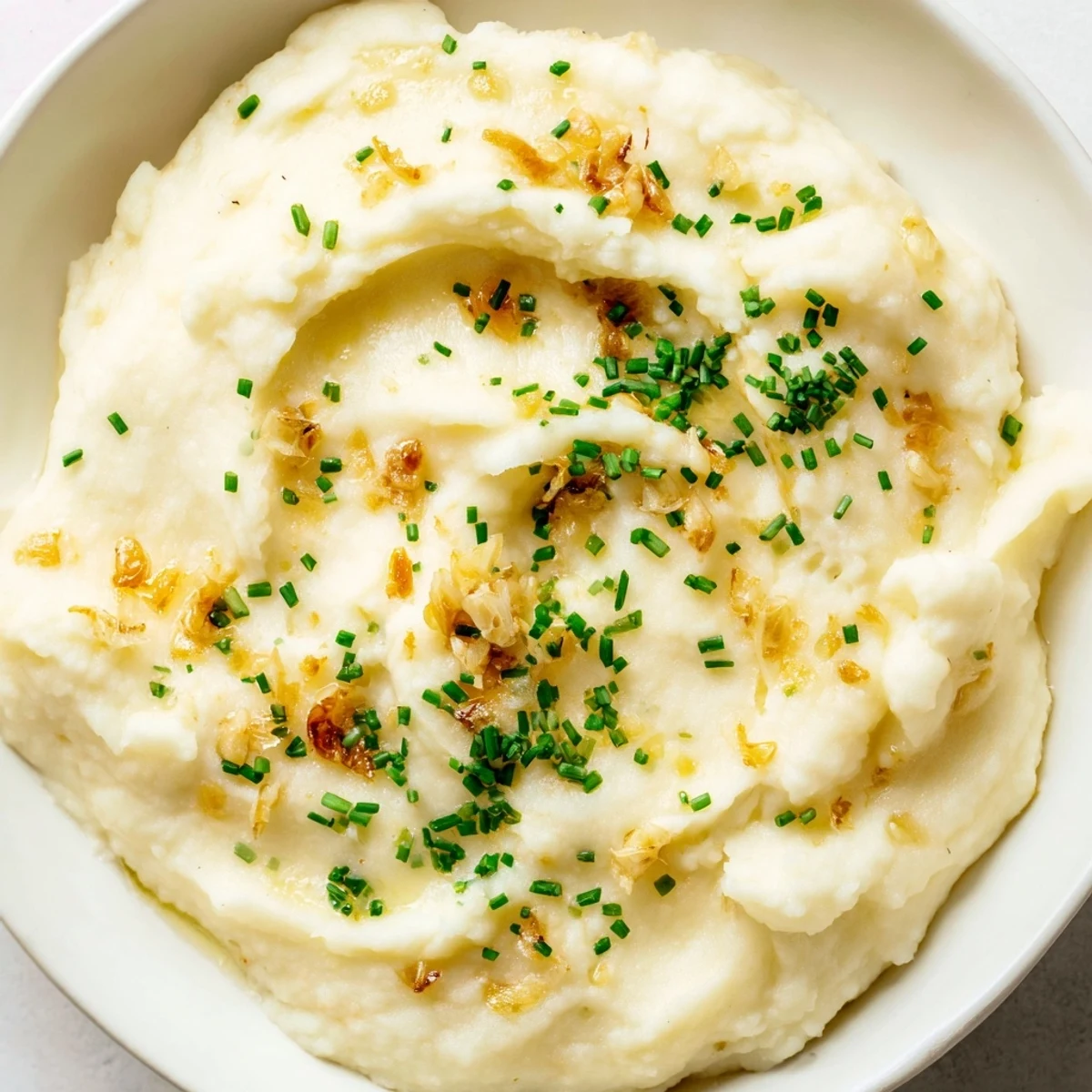
- Transfer to a serving bowl, scatter chives on top if you have them, and bring it to the table while it's still warm and fluffy.
 Save
Save The first time someone asked for the recipe after dinner, I almost didn't believe they thought it was so special. That moment felt like proof that simple, thoughtful cooking speaks louder than anything complicated ever could.
Why Roasted Garlic Changes Everything
Raw garlic would make this sharp and aggressive, but forty minutes in the oven turns it into something almost sweet and mellow—like a completely different ingredient. This is why roasting the garlic separately instead of roasting it alongside the cauliflower matters; the garlic needs more time to fully caramelize and soften. Once you experience this difference, you'll start roasting garlic for other dishes too.
Making It Your Own
This recipe is a foundation, not a rulebook, so feel free to build on it based on what's in your kitchen or what you're craving. Heavy cream instead of milk makes it even richer, grated Parmesan adds nutty depth, and roasted shallots create a different kind of sweet complexity. Some nights I'll add a pinch of nutmeg or fresh thyme just because I want the flavor to shift slightly.
Serving and Pairing Ideas
This mash sits beautifully beside roasted chicken, grilled steak, or even a vegetarian main like baked halloumi or lentil patties. It's hearty enough to feel like a real side dish but light enough that it doesn't overshadow what you're serving it with. Leftovers reheat gently on the stove with a splash of milk, and they're honestly just as good the next day.
- Serve alongside roasted vegetables for an all-vegetable dinner.
- Pair with herb-crusted fish for something elegant and simple.
- Use cooled leftovers as a vegetable dip mixed with a little extra cream cheese.
 Save
Save This recipe proved to me that the best dishes are often the simplest ones, built on good technique and real ingredients instead of tricks. Make it once, and it'll likely become something you reach for again and again.
Recipe FAQs
- → What is the purpose of roasting the garlic?
-
Roasting softens the garlic cloves and mellow their flavor, delivering a sweeter, richer taste that blends smoothly.
- → Can I substitute dairy ingredients in this dish?
-
Yes, plant-based butter, cream cheese, and milk alternatives can be used to accommodate dairy-free preferences without sacrificing creaminess.
- → How do I achieve a smooth texture in the mash?
-
Draining cauliflower well before blending and processing until creamy ensures a luscious smooth texture.
- → Is this side suitable for gluten-free diets?
-
Absolutely, this cauliflower dish contains no gluten and fits well within gluten-free meal plans.
- → What are some good serving suggestions?
-
This dish pairs beautifully with roasted meats and vegetarian entrees, offering a light and flavorful accompaniment.