
 Save
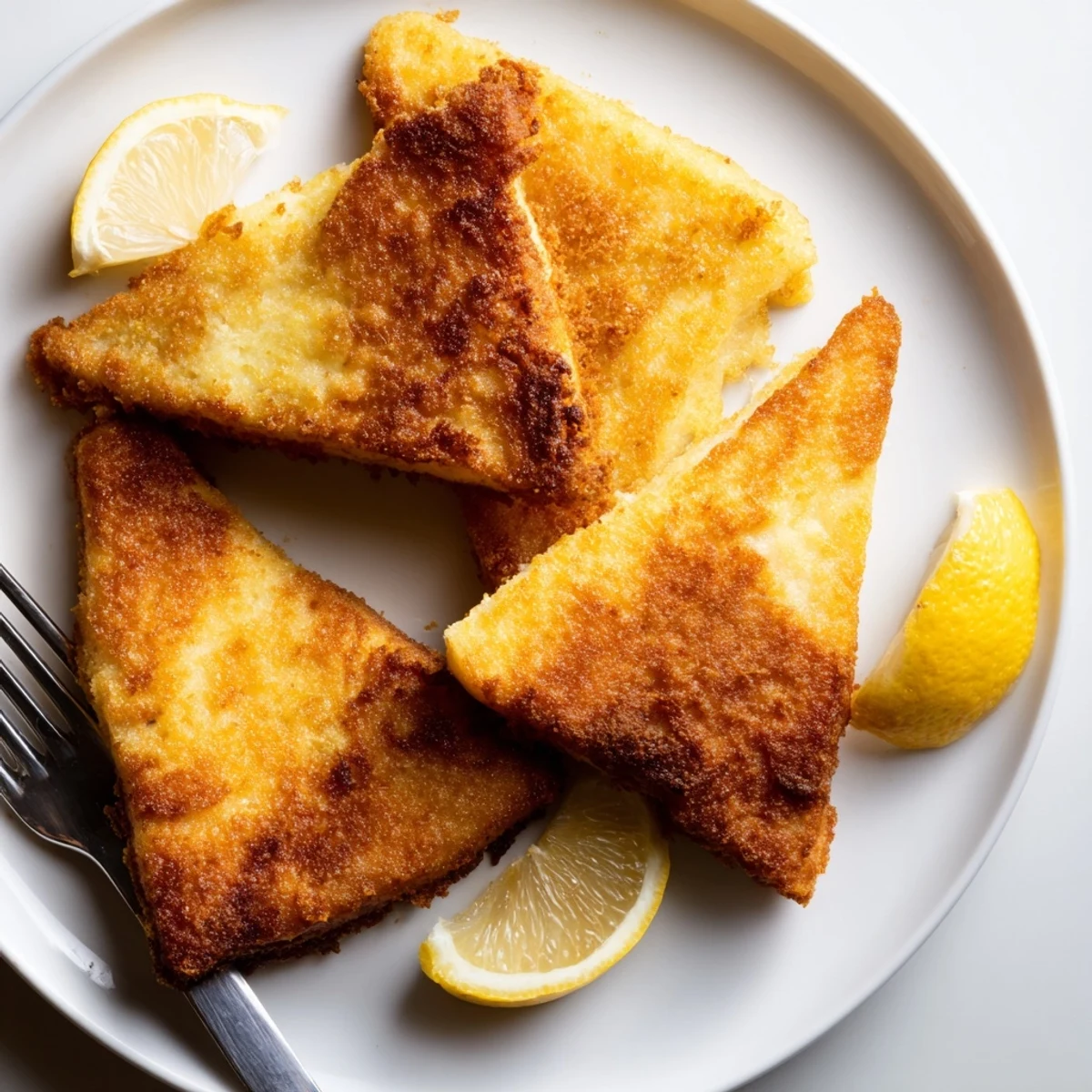
Save Create this beloved Mediterranean favorite at home with just three simple ingredients. The technique lies in selecting firm cheese varieties like Kefalotyri or Graviera, coating them lightly in seasoned flour, and frying quickly in olive oil until golden brown. The result showcases perfectly crisp edges giving way to creamy, melted centers that deliver authentic Greek taverna experience.
Serve immediately with fresh lemon wedges—the bright acidity cuts beautifully through the rich, salty cheese. This appetizer pairs wonderfully with chilled white wine or traditional ouzo for an authentic meze spread.
The first time I encountered saganaki was in a tiny taverna in Athens, where the waiter brought out a flaming pan of cheese to our table and everyone cheered. I've been obsessed with that crunch ever since, recreating it in my kitchen whenever I need something that feels like a celebration.
Last summer I made these for friends who claimed they didnt like fried cheese, and I watched their skepticism vanish after one bite. Now they request it every time they come over, and Ive learned to make double batches.
Ingredients
- Firm Greek cheese: Kefalotyri is traditional but Graviera works beautifully and Halloumi makes a great backup
- Gluten-free flour: Creates that essential crispy shell while keeping it accessible
- Black pepper: Just enough to cut through the richness
- Extra virgin olive oil: The authentic frying medium that adds subtle fruitiness
- Fresh lemon wedges: Absolutely essential for that bright acid finish
Instructions
- Prep your cheese:
- Cut the cheese into slices about half an inch thick and pat them completely dry with paper towels
- Create the coating station:
- Spread flour on a plate, season with pepper, and dredge each piece thoroughly
- Get the oil hot:
- Heat olive oil in a non-stick skillet over medium-high until it shimmers
- Fry to golden perfection:
- Cook each side for 1 to 2 minutes until deeply golden and crisp
- Finish with flair:
- Drain briefly and serve immediately with lemon for squeezing
 Save
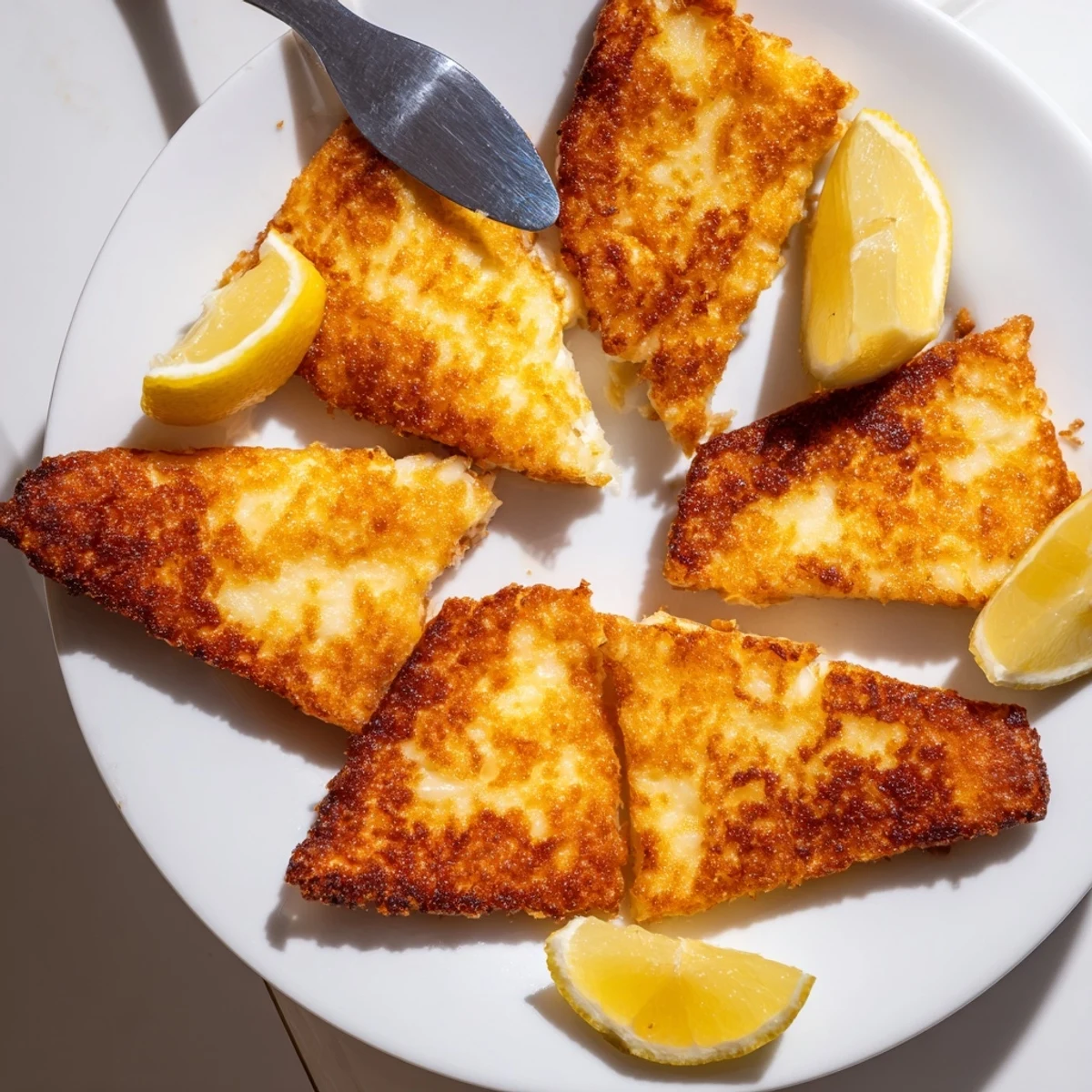
Save My daughter now requests this for her birthday dinner every year, and watching her squeeze that lemon over the steaming cheese with such focus has become one of my favorite kitchen moments.
Choosing The Right Cheese
Ive learned that softer cheeses will melt too quickly and lose their shape, while harder ones need a bit more time to get that golden crust. The traditional Kefalotyri strikes the perfect balance but dont stress if you cant find it.
Mastering The Squeeze
The lemon wedge is not optional, it is the entire point. I cant tell you how many times I forgot it and felt like something was missing until I learned to prep the lemons before I even start frying.
Serving It Like A Pro
In Greece this arrives at the table still sizzling, and while I dont set mine on fire, I do make sure everyone gets their lemon wedge ready before the first bite. The sound of that first crunch is everything.
- Have the lemons cut and ready before you start cooking
- Serve within seconds of frying for maximum crunch
- Pair with something cold to contrast the hot cheese
 Save
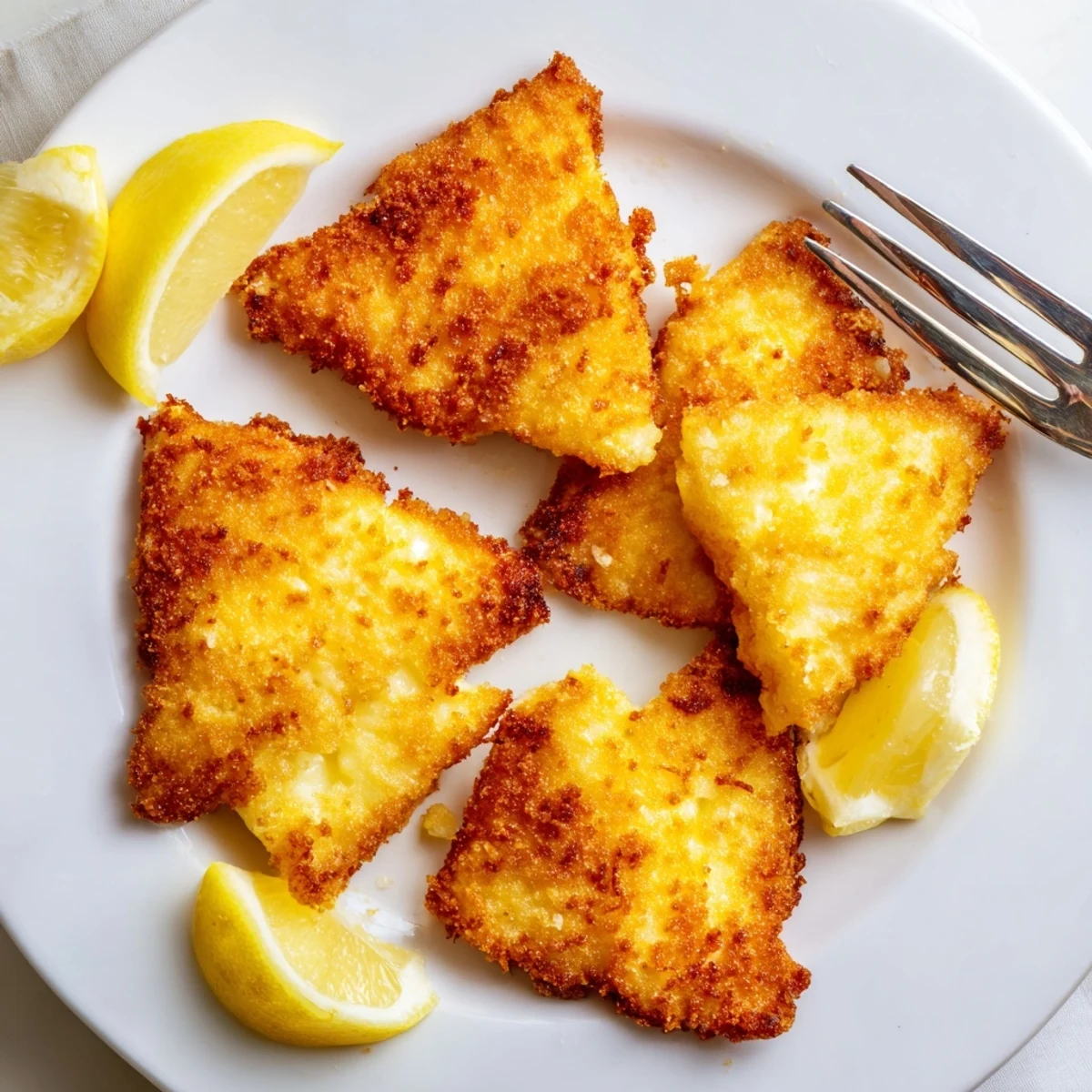
Save This recipe has taught me that sometimes the simplest appetizers create the longest-lasting memories around the table.
Recipe FAQs
- → What cheese works best for frying?
-
Firm, salty Greek cheeses like Kefalotyri and Graviera are traditional choices. Halloumi or firm feta make excellent alternatives. The key is selecting cheese that holds its shape when heated without melting completely.
- → Why pat the cheese before coating?
-
Removing excess moisture helps the flour adhere properly and ensures even browning. Wet cheese can cause oil splattering and prevents achieving that signature crispy exterior.
- → Can I make this ahead of time?
-
This dish is best served immediately while the exterior remains crisp and the interior stays molten. However, you can slice and coat the cheese hours ahead, storing them layered between parchment paper in the refrigerator.
- → What oil should I use?
-
Extra virgin olive oil is traditional and adds authentic Mediterranean flavor. Its medium-high smoke point works perfectly for the quick frying time required. Canola or vegetable oil are neutral alternatives.
- → How do I know when it's done?
-
The cheese is ready when both sides develop a deep golden-brown crust, typically 1–2 minutes per side. The cheese should feel firm to the touch but yield slight pressure, indicating a melted center.
- → What can I serve alongside?
-
Fresh lemon wedges are essential—their brightness balances the rich, salty cheese. This also pairs beautifully with warm pita bread, olives, tzatziki, or as part of a larger meze platter with dolmades and hummus.