 Save
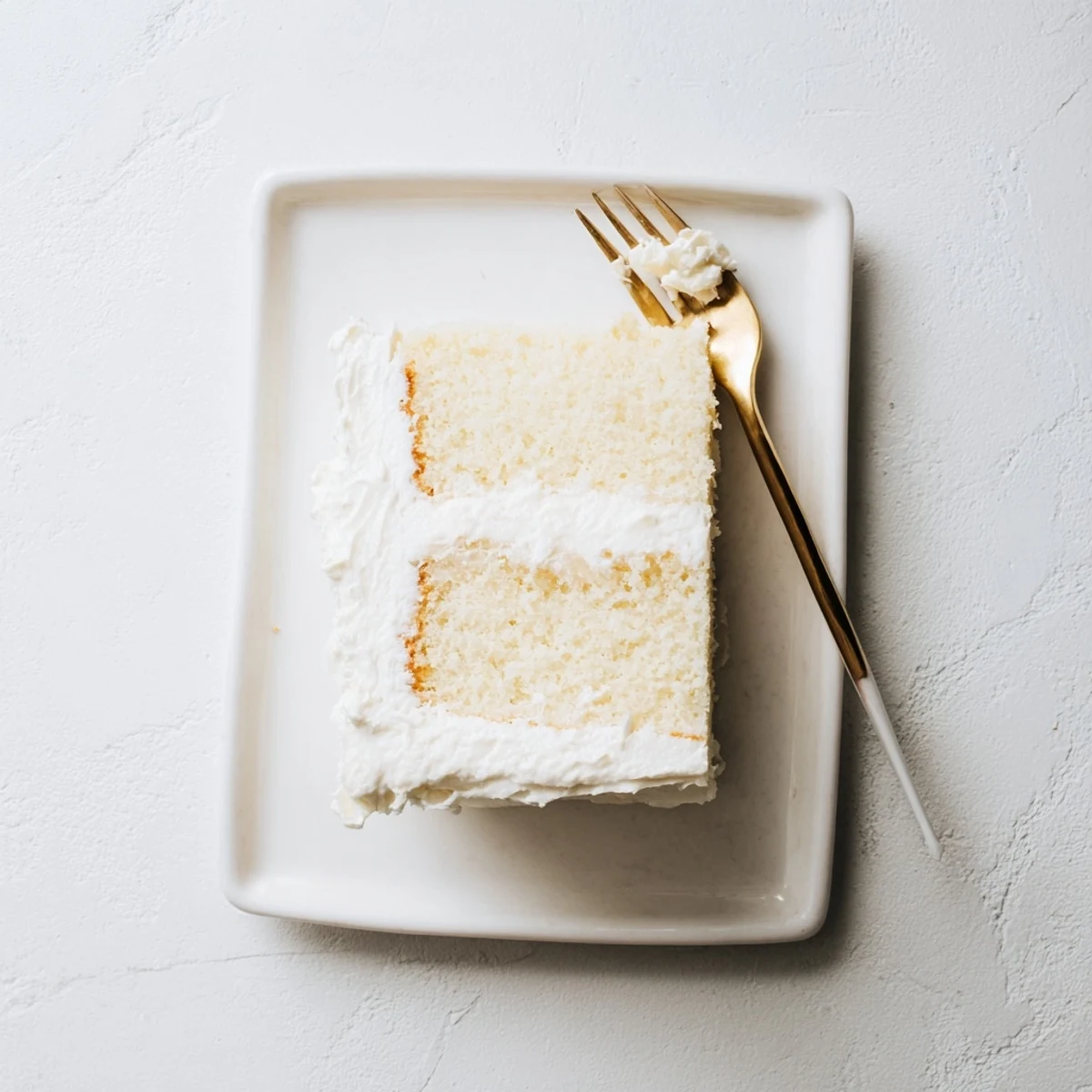
Save This beloved vanilla cake has been a staple at church socials and family gatherings for generations. The batter comes together quickly with basic pantry ingredients, resulting in a tender, moist crumb that everyone loves. The secret lies in creaming butter and sugar until light and fluffy, then alternating dry ingredients with buttermilk for perfect texture.
Bake in a 9x13-inch pan for easy serving—no layers to assemble. The optional vanilla buttercream frosting adds sweetness and makes it feel extra special. You can customize it with lemon zest, sprinkles, or toasted coconut for holidays and celebrations.
Ready in just 50 minutes from start to finish, this cake serves 12 people comfortably, making it ideal for potlucks and large family dinners.
Every church potluck has that one dessert that disappears first, and this vanilla cake is mine. I started making it when I was asked last minute to bring something for a Sunday social, armed only with my grandmother's scribbled recipe card. Now I get text messages three days before any gathering asking if I am making that cake again. There is something about its simplicity that makes people feel like they are eating a memory.
The first time I made this for our church's annual bake sale, an elderly woman who never spoke to anyone sought me out just to say it tasted exactly like her mother's cake. She wrote down the recipe on a paper napkin right there at the table, and I still have that napkin tucked in my recipe box. That moment taught me that sometimes the simplest recipes carry the most love.
Ingredients
- 2 ½ cups all-purpose flour: The protein structure that holds everything together, though I have used whole wheat pastry flour for a nuttier variation when feeling virtuous
- 2 tsp baking powder: The lift that makes those beautiful tall layers, do not confuse this with baking soda or you will have a flat disappointment
- ½ tsp baking soda: Works with the buttermilk to create extra tenderness and those tiny perfect crumb holes
- ½ tsp salt: Just enough to make the vanilla pop without making it taste savory
- 1 cup unsalted butter, softened: Use actual softened butter, not melted, or your texture will be dense and sad
- 1 ¾ cups granulated sugar: Sweetens and tenderizes simultaneously, creating that professional bakery texture
- 4 large eggs, room temperature: Room temperature eggs emulsify better into the batter, creating a finer crumb structure
- 1 tbsp vanilla extract: Do not be tempted to use less, this is the soul of the cake
- 1 cup buttermilk, room temperature: The secret ingredient that keeps the cake moist and adds a subtle tang that cuts through the sweetness
- 4 cups powdered sugar: Sift it first or you will have tiny lumps in your frosting that no amount of beating will fix
- ½ cup unsalted butter, softened: Butter based frosting tastes infinitely better than cream cheese versions for this particular cake
- 2–3 tbsp milk: Add gradually to reach your perfect spreading consistency
- 1 tsp vanilla extract: Vanilla in both cake and frosting creates that classic flavor everyone recognizes immediately
- Pinch of salt: Balances the sweetness of the frosting so it does not become cloying
Instructions
- Getting Everything Ready:
- Preheat your oven to 350°F and generously grease a 9x13 inch baking pan, then dust it with flour, tapping out any excess. This preparation prevents sticking and gives the cake a lovely golden crust that releases perfectly.
- Mixing the Dry Foundation:
- Whisk together the flour, baking powder, baking soda, and salt in a medium bowl until well combined. This step ensures the leavening is evenly distributed throughout the cake.
- Creating the Creamy Base:
- Beat the softened butter and granulated sugar in a large bowl for about 3 minutes until it becomes pale and fluffy. The air you incorporate here determines how light your final cake will be.
- Adding the Eggs:
- Add the eggs one at a time, beating thoroughly after each addition, then stir in the vanilla extract. This gradual addition helps the eggs emulsify properly into the butter mixture.
- Combining Everything:
- Alternate adding the dry ingredients and buttermilk to the butter mixture, starting and ending with the dry ingredients, mixing until just combined. Over mixing at this stage will make your cake tough instead of tender.
- Baking to Perfection:
- Pour the batter into your prepared pan, smooth the top, and bake for 28 to 32 minutes until a toothpick inserted in the center comes out clean. The top should spring back when lightly touched.
- The Waiting Game:
- Let the cake cool completely in the pan on a wire rack before frosting, or the frosting will melt into sad puddles. This patience is the hardest part of the whole process.
- Making the Frosting:
- Beat together the powdered sugar and softened butter until combined, then add vanilla and milk one tablespoon at a time until smooth and spreadable. The frosting should hold its shape but still feel silky.
- The Final Touch:
- Spread the frosting evenly over the completely cooled cake, then slice and serve to the people you love most. The first piece is always the most beautiful.
 Save
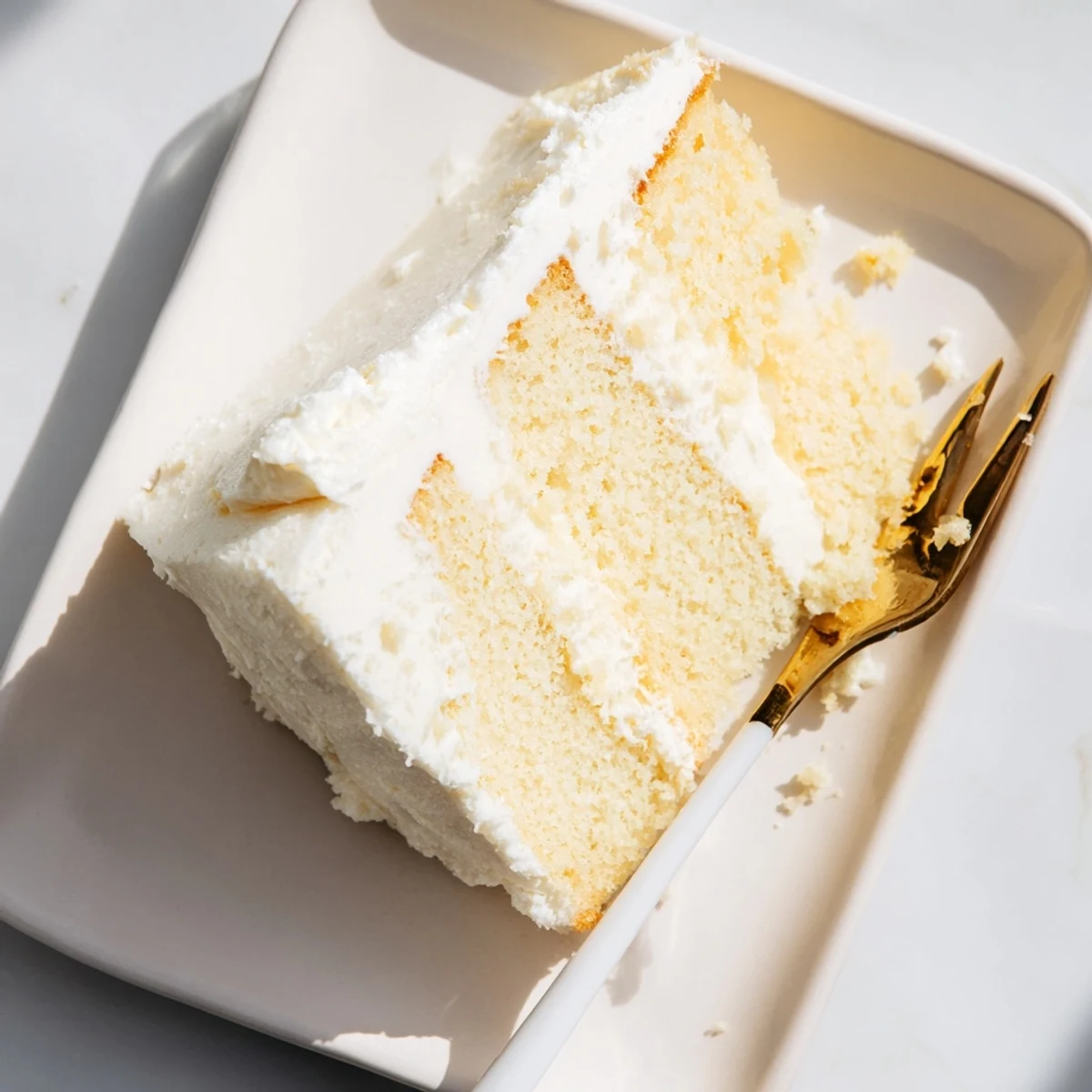
Save My daughter insisted on helping me frost this cake for her birthday and covered it in chaotic rainbow sprinkles. It was the messiest cake I have ever presented, but that child was so proud of her creation that it became the most beautiful cake I have ever made. Sometimes perfection is overrated anyway.
Making Ahead and Storage
I have learned through many early morning church events that this cake actually tastes better when made a day ahead. The flavors have time to meld together and the texture becomes even more tender. Wrap the unfrosted cake tightly in plastic wrap and store at room temperature for up to two days before frosting. Once frosted, it will keep for three to four days, though it has never lasted that long in my house.
Serving Suggestions
While this cake needs nothing to shine, I have found that a light dusting of sprinkles makes it feel more festive for children's birthdays. A cup of strong coffee alongside brings out the vanilla notes beautifully, and it pairs surprisingly well with sweet dessert wine for adult gatherings. The cake also works well as a base for fresh berries in summer months when you want something lighter.
Easy Variations to Try
The beauty of this recipe is how willingly it accepts small changes without losing its character. A tablespoon of lemon zest added to the batter transforms it into something bright and refreshing, perfect for spring showers. Chocolate lovers can fold a cup of chocolate chips into the batter before baking for a double chocolate experience. For a holiday version, replace the vanilla extract with almond extract and top with toasted coconut flakes.
- Add 1 teaspoon of cinnamon to the dry ingredients for a warm, spiced version that reminds everyone of autumn
- Replace half the buttermilk with sour cream for an even richer, denser crumb structure
- Brush the warm cake layers with simple syrup before frosting to ensure extra moisture for events where the cake will sit out
 Save
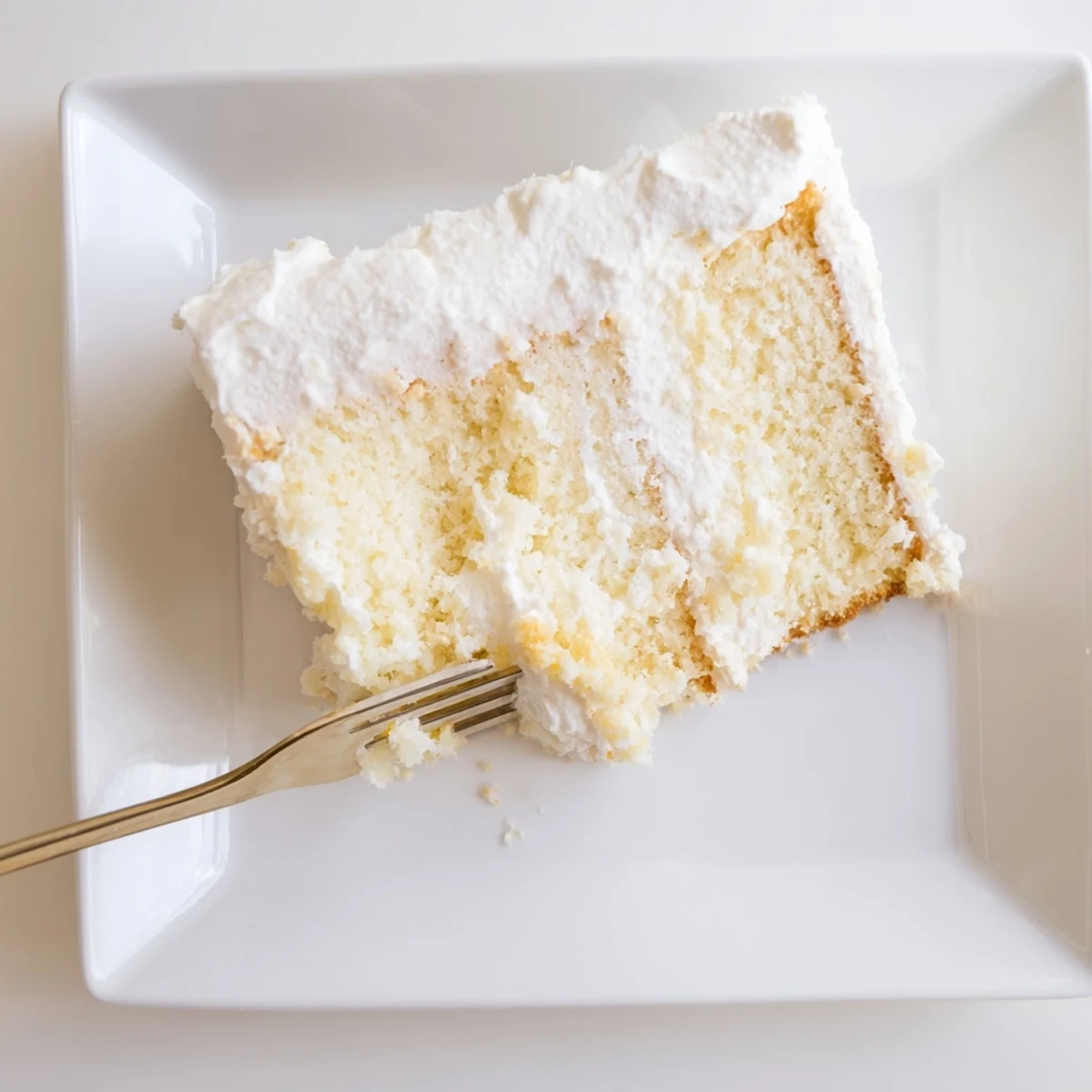
Save May your kitchen always smell like vanilla and your gatherings always include cake worth sharing. There is something sacred about feeding people from your own hands, something that connects us across generations and church basements.
Recipe FAQs
- → Can I make this cake ahead of time?
-
Yes, you can bake the cake up to 2 days in advance. Wrap it tightly in plastic wrap once cooled and store at room temperature. Frost the same day you plan to serve it for the freshest taste and texture.
- → What if I don't have buttermilk?
-
You can make a simple substitute by adding 1 tablespoon of white vinegar or lemon juice to 1 cup of regular milk. Let it sit for 5 minutes until it thickens slightly, then use it in place of buttermilk in the recipe.
- → Can I freeze this cake?
-
Absolutely. Wrap the unfrosted cake tightly in plastic wrap and aluminum foil, then freeze for up to 3 months. Thaw overnight at room temperature before frosting and serving.
- → Why is my cake dense instead of fluffy?
-
Overmixing the batter can develop too much gluten, making the cake dense. Mix only until ingredients are just combined. Also ensure your butter and eggs are at room temperature before starting for proper aeration.
- → Can I make this as cupcakes instead?
-
Yes, fill cupcake liners about two-thirds full and bake at the same temperature for 18-22 minutes. This recipe yields approximately 24 standard cupcakes. Adjust baking time as needed.
- → How do I know when the cake is done?
-
Insert a wooden toothpick into the center of the cake. If it comes out clean or with just a few moist crumbs, the cake is done. The edges should pull slightly away from the pan, and the top should spring back when lightly touched.